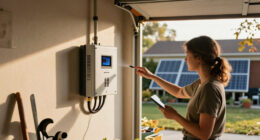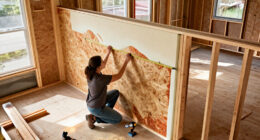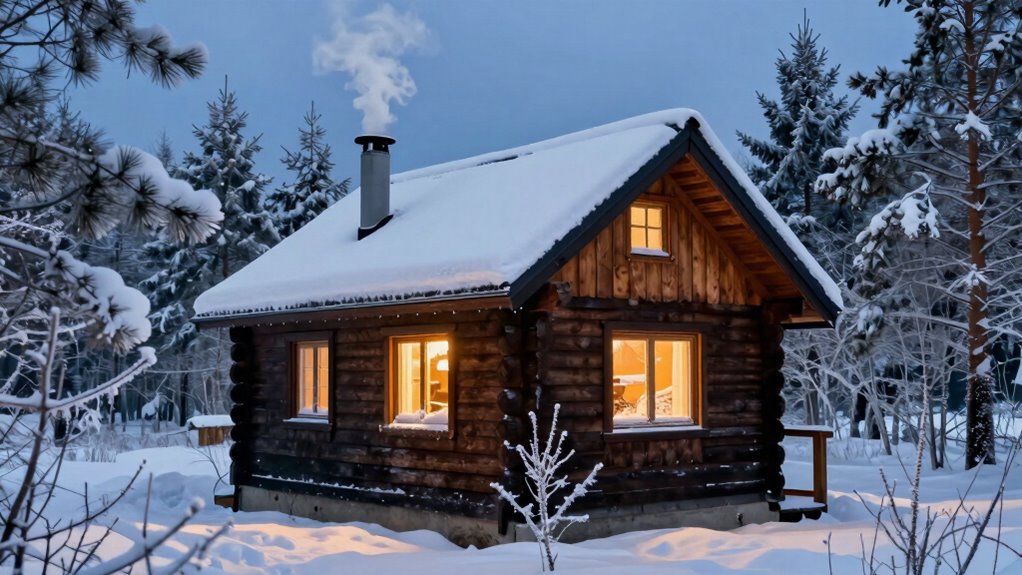

The real challenge of heating detached structures efficiently lies in balancing insulation, smart technology, and targeted heat distribution to prevent energy waste. You need to guarantee walls, ceilings, and floors are well-insulated with high R-value materials and seal gaps around openings. Using zone heating and smart thermostats helps control temperatures precisely. If you want to discover more ways to optimize your system and save money, keep exploring how these strategies work together.

Get backup power and energy gear delivered free with Prime
- Fast, free delivery on millions of items
- Prime Video, Amazon Music and more included
- Member-only deals all year
Key Takeaways
- Achieving effective insulation to minimize heat loss in walls, ceilings, and floors is foundational.
- Balancing energy-efficient appliances with proper insulation prevents unnecessary power consumption.
- Ensuring uniform heat distribution and zone heating reduces energy waste and cold spots.
- Maintaining consistent warmth without over-reliance on thermostat adjustments requires smart control systems.
- Monitoring energy use and integrating systems enhance efficiency, sustainability, and cost-effectiveness.
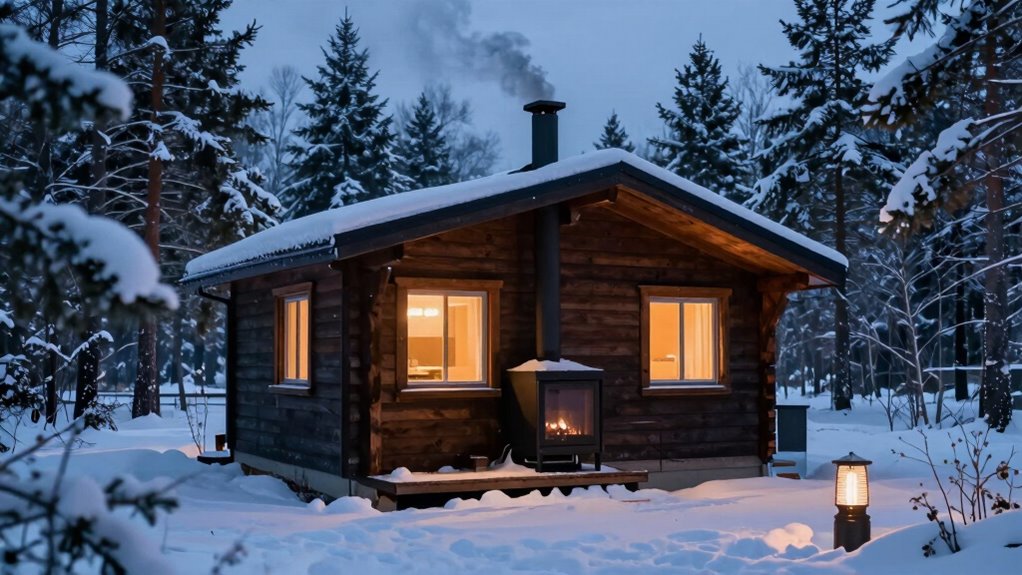
When it comes to heating detached structures like garages, workshops, or sheds, efficiency is key to saving money and reducing energy waste. You want to keep these spaces comfortable without skyrocketing your utility bills, but that can be tricky. You want to keep these spaces comfortable without skyrocketing your utility bills, but that can be tricky. The real challenge lies in implementing effective insulation techniques that prevent heat from escaping and in choosing energy-efficient appliances that deliver warmth without consuming excessive power. Proper insulation is the foundation of efficient heating; without it, even the best heater struggles to maintain a steady temperature. You should focus on insulating walls, ceilings, and floors with materials that have high R-values, like spray foam or rigid foam boards, which are excellent at blocking heat transfer. Seal gaps around windows, doors, and utility penetrations to prevent drafts that can undermine your efforts and make your heating system work harder.
Effective insulation and sealing are essential for energy-efficient heating of detached structures.
Once you’ve addressed insulation, the next step is selecting energy-efficient appliances. Instead of relying on old, inefficient space heaters, opt for models with high Energy Star ratings. Modern space heaters, mini-split systems, or infrared panels are designed to deliver heat more effectively while consuming less electricity. These appliances often come with smart thermostats that allow you to set specific temperatures and schedule operation times, reducing unnecessary energy use. You’ll find that integrating these appliances with your insulation efforts creates a synergy that significantly cuts down on heating costs. Additionally, understanding energy efficiency concepts can help you make smarter choices in optimizing your heating setup. To further enhance efficiency, consider the impact of heat distribution methods within your space, which can help in creating a more uniform temperature with less energy. Exploring zone heating strategies can also optimize energy use by targeting only the areas that need warmth.
Another challenge is maintaining consistent heat without overloading your energy system. You might be tempted to crank up the thermostat to compensate for cold spots or poor insulation, but that approach wastes energy and increases expenses. Instead, focus on zoning your heating system, directing warmth only where you need it most. Consider using portable space heaters in smaller areas, which can supplement your main system without running it constantly. Combining this with good insulation techniques maximizes efficiency and keeps your space warm without excess energy consumption. Recognizing thermostat control as a crucial aspect can help you better regulate temperature and save energy over time. Implementing smart technology can further refine your heating management by automatically adjusting settings based on your habits and the weather.
Finally, it’s essential to monitor your energy use and adjust as needed. Use smart thermostats and energy meters to track how much power your appliances consume. Over time, you’ll learn which strategies yield the best results, allowing you to fine-tune your approach. The real challenge isn’t just about choosing the right heating appliances but creating an integrated system that leverages insulation techniques and smart technology. When you focus on these elements, you’ll find that heating your detached structures becomes more affordable, sustainable, and easier to manage.
high R-value spray foam insulation
As an affiliate, we earn on qualifying purchases.
As an affiliate, we earn on qualifying purchases.
Frequently Asked Questions
What Are the Best Insulation Options for Detached Structures?
The best insulation options for detached structures include spray foam, fiberglass batts, and rigid foam boards. You should focus on proper insulation installation to guarantee thermal barriers are effective, preventing heat loss. Spray foam offers excellent sealing and high R-values, while fiberglass batts are cost-effective and easy to install. Rigid foam boards provide added thermal resistance and moisture control, making them ideal for walls and roofs to keep your structure warm efficiently.
How Much Does It Cost to Heat a Detached Building Annually?
You might think heating your detached building costs just a few dollars, but a detailed cost analysis reveals otherwise. Expect to spend anywhere from a few hundred to over a thousand dollars annually, depending on insulation, energy efficiency, and usage. High energy consumption drives costs up, turning a cozy workspace into an expensive luxury. The irony? Better insulation and energy-saving measures could turn your heating bill into a pleasant surprise rather than a shock.
Are Renewable Energy Sources Effective for Detached Structures?
Renewable energy sources like solar panels and wind turbines can be highly effective for detached structures. Solar panels harness sunlight to generate electricity, reducing your reliance on grid power, while wind turbines produce energy from wind, especially in breezy areas. Together, they can substantially lower your energy bills and carbon footprint. With proper installation and maintenance, these renewable options provide a sustainable, cost-efficient way to power your detached building year-round.
How Do Climate Conditions Affect Heating Efficiency?
Weather patterns and temperature fluctuations can quietly influence your heating efficiency. When the climate is milder, your system works less hard, saving energy. However, during extreme weather, like cold snaps or heatwaves, it must work overtime to maintain comfort. You might notice increased energy use or uneven warmth. Being aware of these subtle shifts helps you adjust your heating strategies, ensuring your space stays cozy despite nature’s whims.
What Maintenance Is Required for Heating Systems in Detached Structures?
You need to regularly maintain your heating system by scheduling energy audits to identify inefficiencies. Keep filters clean, check for leaks, and guarantee vents are unobstructed. Consider system upgrades if your equipment is outdated or underperforming, as newer models often run more efficiently. Regularly inspecting and servicing your heating system helps improve energy efficiency, reduces costs, and keeps your detached structure comfortable year-round.
energy-efficient space heater with smart thermostat
As an affiliate, we earn on qualifying purchases.
As an affiliate, we earn on qualifying purchases.
Conclusion
So, as you face the challenge of heating your detached structure, remember: the true battle isn’t just about choosing the right system, but about understanding your space and needs. Like a master key, the right solution opens comfort and efficiency. Don’t let cold drafts or skyrocketing bills defeat you—embrace smart, targeted heating strategies. After all, isn’t it worth winning the war on warmth to enjoy cozy, cost-effective comfort all winter long?
mini split ductless heating system
As an affiliate, we earn on qualifying purchases.
As an affiliate, we earn on qualifying purchases.
infrared panel heater for garage
As an affiliate, we earn on qualifying purchases.
As an affiliate, we earn on qualifying purchases.
Columbus Day / Indigenous Peoples' Day Picks
long weekend sales
As an affiliate, we earn on qualifying purchases.