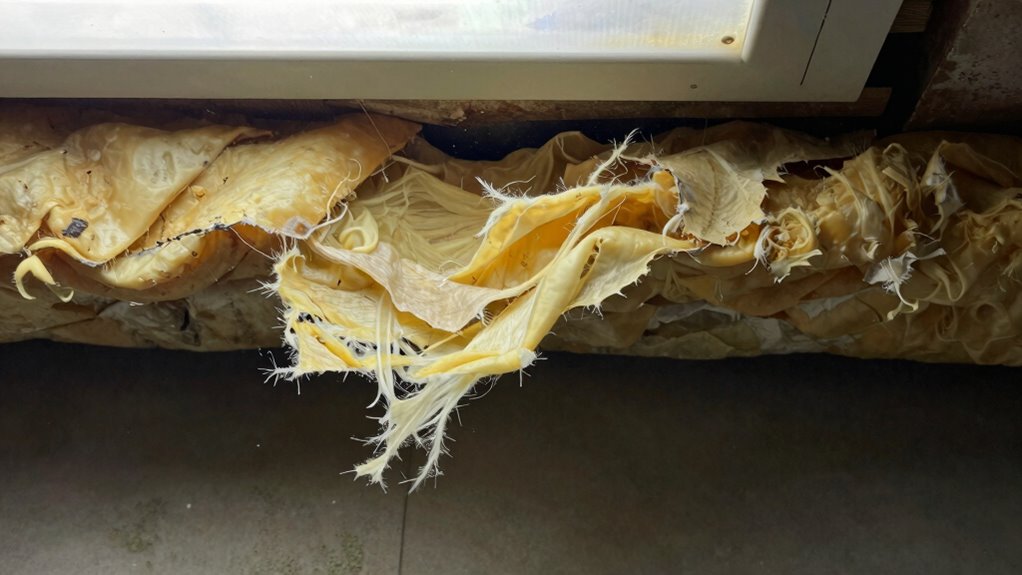

Compressed insulation quietly fails by losing its ability to trap air, which reduces its resistance to heat transfer and energy efficiency. Over time, it shifts out of place, creating gaps that allow air leaks and moisture buildup. These issues lead to drafts, higher heating costs, and potential mold growth without obvious signs. If you ignore early signs of compression, your home’s comfort and structural integrity could suffer. Keep watching to discover how to spot and prevent this silent problem before it worsens.

Get backup power and energy gear delivered free with Prime
- Fast, free delivery on millions of items
- Prime Video, Amazon Music and more included
- Member-only deals all year
Key Takeaways
- Compression reduces insulation’s ability to trap air, decreasing its thermal resistance over time.
- Tight spaces from compression allow moisture to seep in, promoting mold and structural damage.
- Gaps caused by compression lead to air leaks, drafts, and uneven indoor temperatures.
- Continuous compression diminishes insulation’s effectiveness, increasing energy costs and HVAC workload.
- Over time, compressed insulation deteriorates silently, compromising comfort and indoor air quality.
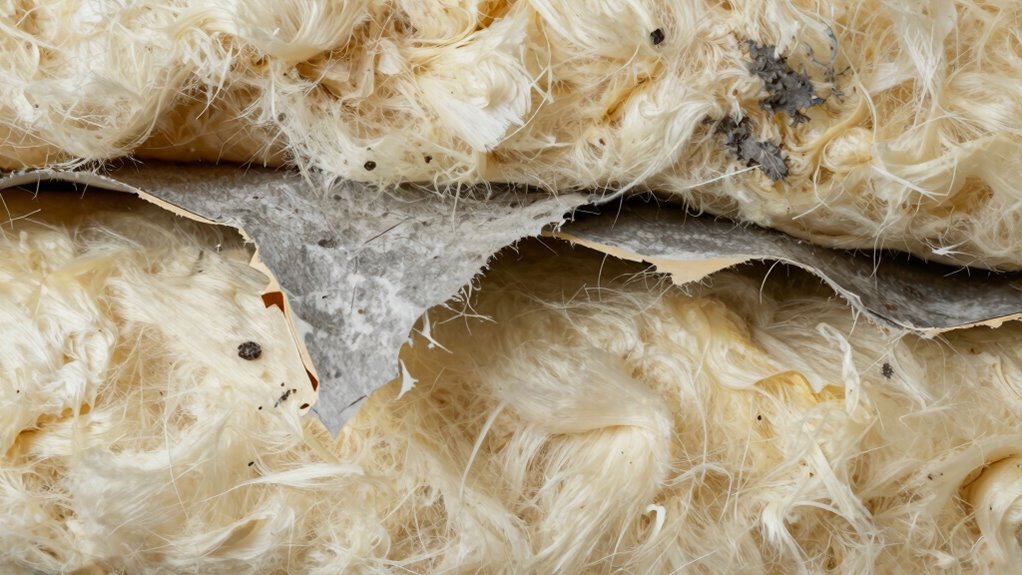
Have you ever wondered why compressed insulation often fails to perform as expected? The answer lies in how easily it can become compromised from within. When insulation is compressed, it loses its natural ability to trap air and resist heat transfer. But even more insidious are the hidden issues that develop over time—moisture buildup and air leakage—that quietly diminish its effectiveness. You might not notice these problems at first, but they can severely undermine the insulation’s purpose, leading to higher energy bills and uncomfortable indoor environments.
Moisture buildup is one of the biggest threats to compressed insulation’s integrity. When insulation is squeezed into tight spaces, it can create gaps and voids that allow moisture to seep in. Over time, humidity or leaks from roofs and walls can cause water to accumulate inside the insulation material. Once damp, the insulation’s thermal resistance plummets, and mold or mildew may develop, further degrading its performance. This moisture not only reduces the insulation’s ability to insulate but also promotes structural damage, which can be costly to repair. The problem worsens if you don’t address it early, as trapped moisture can linger and accelerate deterioration. Additionally, moisture management is crucial for maintaining the longevity of insulation and preventing health issues like mold growth, a serious health concern that further compromises indoor air quality.
Air leakage is another silent enemy. When insulation becomes compressed, it often loses its snug fit, creating small gaps along the edges and joints. These gaps serve as pathways for air to flow freely in and out of your walls or attic. Over time, this air leakage causes drafts and uneven temperatures, forcing your heating and cooling systems to work harder. Continuous air movement through these gaps also introduces more moisture, compounding the issues caused by moisture buildup. It’s a vicious cycle—compressed insulation allows air and moisture to infiltrate, which then weakens the insulation’s core function. Proper installation techniques can help prevent such issues by ensuring the insulation remains uncompressed and well-sealed.
You may not immediately see the effects, but the consequences are real. Reduced insulation performance results in increased energy consumption and discomfort. Your HVAC system runs longer and more frequently, raising utility bills and wearing out faster. Over time, the combined effects of moisture and air leakage can even lead to structural damage, mold growth, and indoor air quality issues. That’s why understanding how compressed insulation can quietly fail helps you recognize early signs of trouble. It’s essential to inspect regularly, especially in areas prone to moisture or air leaks, and to think about proper installation techniques that prevent compression and its associated risks.
As an affiliate, we earn on qualifying purchases.
Frequently Asked Questions
Can Compressed Insulation Be Repaired After It Fails?
Yes, you can repair compressed insulation after it fails. First, assess the installation considerations to determine if removal or reinforcement is needed. To restore efficiency, carefully replace or fluff the affected areas. Regular maintenance tips, like checking for compression signs and ensuring proper installation, help prevent future failures. Always guarantee the insulation is properly installed and avoid compression during maintenance for peak performance and longevity.
How Does Compression Affect Insulation Lifespan?
When insulation gets compressed, it’s like hitting two birds with one stone—your lifespan shortens because compression limits its ability to resist thermal expansion and trap moisture effectively. Over time, these factors accelerate deterioration, causing insulation to lose its R-value faster. You might not notice it right away, but the reduced cushion means insulation becomes more prone to moisture retention and damage, ultimately shortening its effective lifespan.
Are There Specific Signs Indicating Insulation Has Compressed?
Yes, you can spot signs that your insulation has compressed. Look for uneven settling, where insulation appears thinner or sagging in certain areas. You might also notice increased drafts, which indicate insulation has lost its effectiveness. Insulation settling often allows moisture invasion, leading to damp spots or mold. These signs suggest compression has occurred, reducing insulation’s ability to insulate properly and potentially causing further damage over time.
Does Compressed Insulation Impact Indoor Air Quality?
You might notice your home’s air quality worsens, as compressed insulation often traps moisture and mold spores. This hidden buildup promotes mold growth, releasing spores into the air you breathe. Over time, these particles can cause allergies or respiratory issues. When insulation becomes compressed, it loses its ability to regulate humidity effectively, resulting in increased mold and poorer indoor air quality, affecting your comfort and health without obvious signs.
What Are the Best Alternatives to Compressed Insulation?
You should consider alternative materials like spray foam, mineral wool, or cellulose for better insulation. These options often provide superior R-values and resist compression over time. When installing, use proper techniques such as ensuring even coverage and avoiding compression, which helps maintain insulation effectiveness. These alternatives improve energy efficiency and indoor air quality, giving you a long-term, reliable solution that outperforms compressed insulation.
As an affiliate, we earn on qualifying purchases.
Conclusion
Just like a delicate castle built on shifting sands, your insulation relies on the right balance to stand firm. When it’s compressed, it’s like pressing down on that castle, slowly causing it to crumble from within. If you ignore the signs, your home’s warmth and comfort might vanish quietly, leaving you exposed to the cold. Keep an eye on your insulation’s health, and protect your fortress from unseen failure—because a strong home starts with a solid, uncompressed barrier.
As an affiliate, we earn on qualifying purchases.
As an affiliate, we earn on qualifying purchases.
Halloween Picks
halloween
As an affiliate, we earn on qualifying purchases.