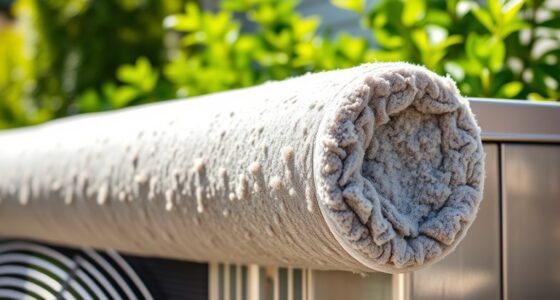
Gallon ratings measure a roof’s capacity, not how well it fights wind or water damage. They don’t show resistance to severe weather, like high winds or heavy rain, which are critical during storms. Material durability and proper installation matter far more for protecting your home. Focusing solely on gallon capacity can be misleading. If you want to understand what really keeps your roof safe in storms, there’s more to take into account beyond just gallons.

Get backup power and energy gear delivered free with Prime
- Fast, free delivery on millions of items
- Prime Video, Amazon Music and more included
- Member-only deals all year
Key Takeaways
- Gallon ratings measure capacity, not actual resistance to wind uplift or water infiltration during storms.
- Material quality and installation techniques are more critical for storm resistance than gallon measurements.
- Well-installed, durable roofing materials outperform high-gallon-rated products with poor installation.
- Wind and water exposure depend on product performance and craftsmanship, not just capacity ratings.
- Protective measures like weatherproofing and maintenance are more effective for storm resilience than gallon ratings.

Understanding gallon ratings is essential when evaluating how well a container or structure can withstand wind and water exposure. While gallon ratings are often used as a quick measure of capacity or strength, they don’t tell the full story when it comes to actual performance during storms or heavy rainfall. Instead, you should focus on factors like roof material durability and installation techniques, which directly impact how well a structure handles the elements. A roof’s ability to resist wind uplift and water infiltration depends less on its gallon rating and more on the quality of its materials and how it’s installed. Proper filtering and pump protection are also crucial in maintaining the integrity of spraying equipment during weather-related tasks, ensuring consistent application even in challenging conditions. Recognizing the importance of material specifications helps you choose roofing options that are designed to withstand severe weather events. Additionally, understanding how weatherproofing techniques are applied can further enhance a roof’s resilience against wind and water damage.
Furthermore, material durability influences how well a roof can resist prolonged weather-related stress, which is vital in storm-prone areas. Strong, high-quality materials such as metal, asphalt shingles, or specially coated membranes tend to perform better under stress. These materials are designed to withstand high winds, prevent water seepage, and resist deterioration caused by prolonged exposure to rain and sun. When evaluating roofing options, don’t just look at the thickness or the gallon rating of a container or product; instead, consider the manufacturer’s specifications on wind uplift ratings and water resistance. These details give you a better idea of how your roof will hold up during a storm than a simple gallon measurement.
Installation techniques are equally important because even the most durable roof materials can fail if installed improperly. Proper installation guarantees that your roof resists wind uplift forces and prevents water from penetrating the structure. Techniques like using high-quality fasteners, sealing seams properly, and following manufacturer guidelines can make a significant difference. For instance, a roof installed with incorrect nailing patterns or insufficient overlaps can become a weak point, regardless of the material’s inherent durability. It’s not just about choosing the right materials, but also about making sure they are installed correctly using proven techniques.
In reality, wind and water exposure are more about how your roof is built and maintained than the gallon rating of any product. A well-installed roof with durable materials will perform far better in storm conditions than a poorly constructed one with a high gallon rating. Instead of focusing solely on gallon ratings, prioritize understanding your roof’s material specifications and installation practices. These factors are what truly determine how well your structure withstands the forces of nature, ensuring long-term protection against wind and water damage.
roof wind resistance roofing materials
As an affiliate, we earn on qualifying purchases.
As an affiliate, we earn on qualifying purchases.
Frequently Asked Questions
How Do Gallon Ratings Influence Overall Product Durability?
Gallon ratings impact overall product durability by reflecting material composition and how well the product handles water over time. You should focus on proper installation techniques, as they guarantee the material performs efficiently, regardless of its gallon rating. Even with a high gallon rating, poor installation can lead to leaks or damage. Ultimately, durability depends more on correct installation and material quality than just the gallon rating itself.
Can Wind and Water Exposure Damage Materials Regardless of Gallon Ratings?
Yes, wind and water exposure can damage materials regardless of gallon ratings. Even if a product has a high gallon rating, poor material flexibility or improper installation techniques can lead to leaks and tears during storms. You should prioritize flexible materials that adapt to movement and guarantee proper installation to withstand wind-driven rain and gusts. This proactive approach helps protect your property far better than relying solely on gallon ratings.
Are Gallon Ratings Standardized Across Different Manufacturers?
You might think gallon ratings are the same across manufacturers, but they’re more like different dialects than a universal language. While some brands aim for standardized manufacturing consistency, material flexibility varies, making ratings unreliable indicators of performance. So, don’t just rely on gallon ratings; focus on how well materials handle wind and water exposure. Always check for specific testing and certifications to truly understand durability, regardless of the brand.
How Often Should I Reassess My Home’s Vulnerability to Wind and Water?
You should reassess your home’s vulnerability to wind and water at least twice a year, ideally during seasonal inspections in spring and fall. This helps guarantee your storm preparedness is up to date, addressing any new vulnerabilities caused by weather or aging. Regular checks allow you to identify weak spots in your roof, windows, or drainage system, reducing potential storm damage and keeping your home protected during severe weather events.
Do Higher Gallon Ratings Always Mean Better Protection?
Think of gallon ratings as a vessel’s size—bigger isn’t always better. Higher gallon ratings don’t necessarily mean better protection; they mainly indicate product longevity. You might have a large container, but if wind and water exposure are relentless, it won’t keep your home safe. Focus on how well the material withstands these elements, not just its capacity, to guarantee lasting protection against harsh weather.
As an affiliate, we earn on qualifying purchases.
Conclusion
So next time you’re dazzled by a shiny gallon rating, remember it’s just a fancy number. When wind howls and water crashes, those ratings mean about as much as a screen door on a submarine. Instead, focus on real-world exposure—because your boat’s true resilience isn’t measured in gallons, but in how well it can handle Mother Nature’s little tantrums. After all, isn’t surviving the storm the real win?
roof installation tools and fasteners
As an affiliate, we earn on qualifying purchases.
As an affiliate, we earn on qualifying purchases.
storm-resistant roofing shingles
As an affiliate, we earn on qualifying purchases.
As an affiliate, we earn on qualifying purchases.
Fall Picks
fall essentials
As an affiliate, we earn on qualifying purchases.