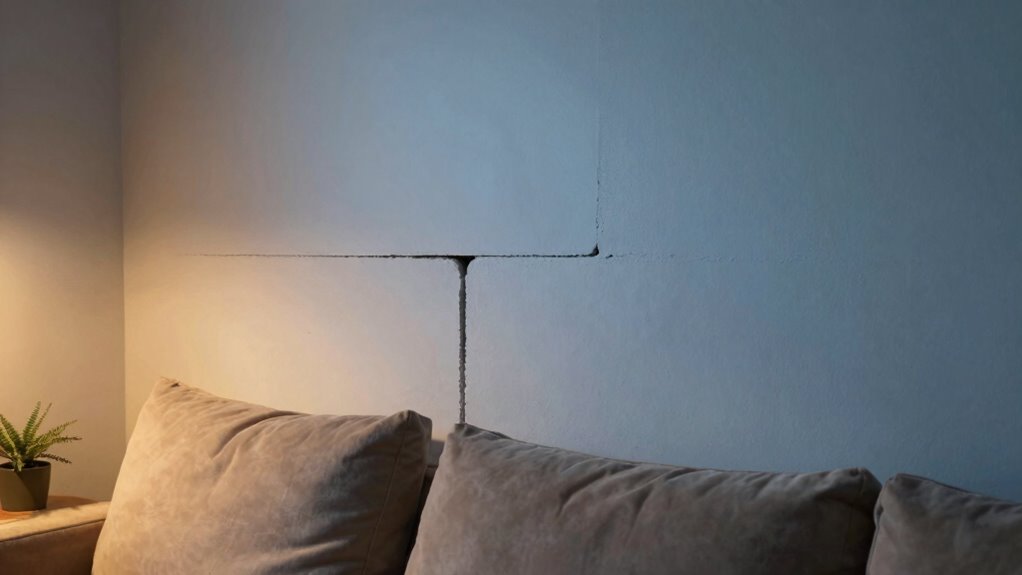

Thermal bridges gently steal your comfort by creating cold spots in winter and hot spots in summer, room by room. They happen where heat escapes or enters easily through gaps, poorly insulated areas, or structural elements like steel and concrete. These shortcuts for heat can cause uneven temperatures, making rooms feel uncomfortable. As a result, your heating and cooling systems work harder, raising energy bills. To discover how to prevent this and keep each room cozy, keep exploring the details.

Get backup power and energy gear delivered free with Prime
- Fast, free delivery on millions of items
- Prime Video, Amazon Music and more included
- Member-only deals all year
Key Takeaways
- Thermal bridges create cold spots in rooms, making areas feel cooler and less comfortable during winter.
- They cause uneven indoor temperatures, leading to discomfort from drafts or overheated zones.
- Heat loss through thermal bridges increases indoor humidity and reduces overall thermal comfort.
- These pathways make HVAC systems less efficient, resulting in inconsistent room temperatures.
- Thermal bridges can cause condensation issues, negatively affecting indoor air quality and comfort.
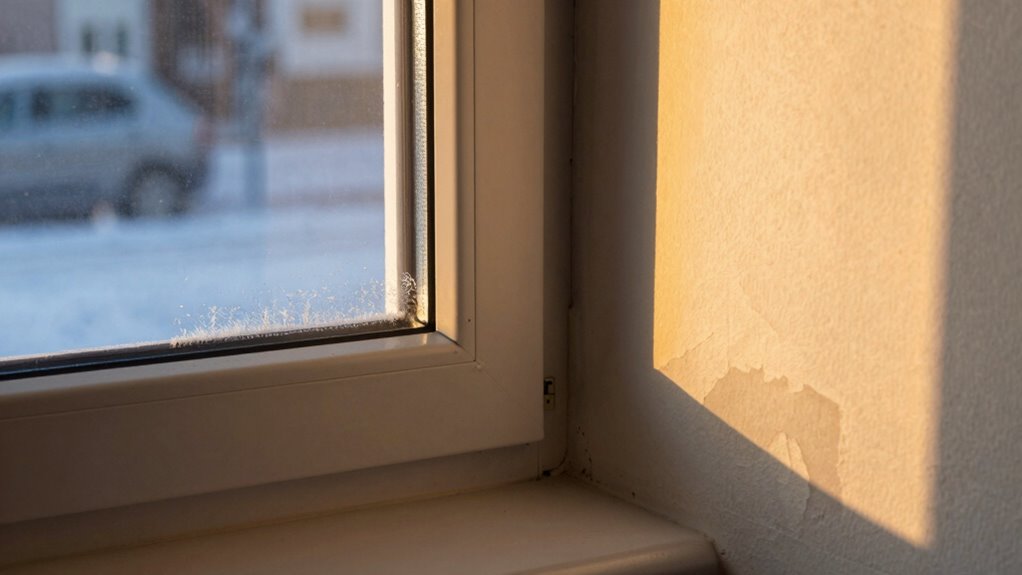
Thermal bridges are sneaky culprits that can quietly sap comfort from your home, one room at a time. These are areas where heat escapes more easily, creating pathways through which warmth can leak out during winter or invade during summer. The impact is often subtle but cumulative, leading to higher energy bills and uneven indoor temperatures. When you think about fixing these issues, understanding insulation effectiveness becomes key. Poor insulation allows thermal bridges to form more readily, especially if your home’s construction techniques weren’t designed to minimize them. For example, if your walls lack continuous insulation or if thermal breaks aren’t properly implemented around windows, doors, or structural elements, you’re fundamentally creating highways for heat to escape or enter.
Thermal bridges enable heat to escape or enter, reducing comfort and increasing energy costs.
Construction techniques play a major role in either exacerbating or reducing the presence of thermal bridges. Modern building practices aim to improve insulation continuity and reduce thermal bridging by using advanced materials and strategic design. If your home was built using outdated methods or without paying close attention to thermal integrity, you’re more likely to notice cold spots in winter or overheated spaces in summer. These issues aren’t just uncomfortable; they also indicate that your insulation effectiveness is compromised. When insulation isn’t continuous or is poorly installed, it creates gaps where heat can bypass the insulation layer altogether. Over time, these gaps allow thermal bridges to develop, making it harder to maintain consistent indoor temperatures.
You might not realize it, but even small construction details can considerably impact comfort. For example, steel or concrete structural elements tend to conduct heat more easily, acting as thermal bridges if not properly insulated or thermally broken. Proper construction techniques involve incorporating materials like foam or mineral wool to interrupt the conductive path, reducing heat transfer. Additionally, using advanced framing methods can help minimize the number of thermal bridges in your walls and ceilings. When these techniques are overlooked, the resulting thermal bridges steal away warmth in winter and let in unwanted heat in summer, forcing your HVAC system to work harder and increasing your energy costs. Incorporating thermal break materials during construction can significantly improve overall insulation performance.
Ultimately, addressing thermal bridges requires a keen eye on your home’s construction and insulation effectiveness. Recognizing where these pathways form and understanding how construction techniques can prevent them will help you create a more comfortable, energy-efficient living space. Small improvements—like adding continuous insulation or upgrading to better construction methods—can make a noticeable difference in room-by-room comfort. Being aware of construction techniques and how they influence thermal performance is essential for effective insulation. Don’t wait until uneven temperatures become a constant annoyance; take proactive steps now to seal those sneaky thermal bridges and enjoy a more consistent indoor climate.
Products Worth Considering

Philips Hue Bridge Pro Smart Lighting Hub

Roborock RockNeo Q110H Wire-Free Robot Lawn Mower

Bose TV Speaker (2nd Gen) Compact Soundbar with Bluetooth and HDMI Connectivity
As an affiliate, we earn on qualifying purchases.
Frequently Asked Questions
How Can I Identify Hidden Thermal Bridges in My Home?
You can identify hidden thermal bridges in your home by using thermal imaging cameras, which reveal temperature differences on walls and ceilings. Look for cold spots indicating heat loss, often caused by insulation gaps or structural elements bridging interior and exterior surfaces. Regularly inspecting these areas helps you spot thermal bridges early, so you can improve insulation and seal gaps, ultimately boosting your home’s energy efficiency and comfort.
Do Thermal Bridges Affect Energy Efficiency or Only Comfort?
Thermal bridges affect both energy efficiency and comfort in your home. They compromise insulation integrity, causing unwanted heat loss or gain. During a heat loss analysis, you’ll notice increased energy consumption as heating or cooling systems work harder to maintain desired temperatures. Addressing thermal bridges improves insulation, reducing energy bills and enhancing comfort. So, they’re not just a comfort issue but also a significant factor in your home’s overall energy efficiency.
Are Certain Building Materials More Prone to Thermal Bridging?
Certain building materials are more prone to thermal bridging due to their insulation gaps and material conductivity. Metals, concrete, and masonry often conduct heat better and create pathways for thermal transfer, increasing the risk of bridges. In contrast, materials with low conductivity like foam insulation or wood resist heat flow more effectively. You can reduce thermal bridging by selecting materials with minimal conductivity and ensuring continuous insulation to fill any gaps.
Can Thermal Bridges Cause Condensation and Mold Issues?
Imagine you’re in a medieval castle, unaware of modern issues like thermal bridges. Yes, thermal bridges can cause condensation and mold, especially when insulation degrades over time. This moisture buildup affects structural integrity and creates damp, unhealthy environments. When warm air hits cold spots caused by thermal bridging, it cools quickly, leading to condensation. Maintaining proper insulation and sealing those thermal gaps helps prevent mold and preserves your building’s durability.
What Are the Long-Term Effects of Unresolved Thermal Bridges?
Unresolved thermal bridges can considerably degrade your building’s thermal insulation, leading to increased energy costs and discomfort. Over time, they weaken the structural integrity of your walls by causing moisture buildup and potential freeze-thaw damage. This ongoing exposure can result in cracks, mold, and compromised safety. Addressing thermal bridges early preserves your insulation’s effectiveness and maintains the building’s durability, ensuring long-term comfort and structural soundness.
Conclusion
Don’t let thermal bridges sabotage your sanctuary. By spotting, sealing, and stopping these sneaky snags, you’ll safeguard your space and sustain comfort. Small steps make a significant difference—saving energy, slashing costs, and securing serenity. Stay vigilant, seal gaps, and strengthen structures to shut out the cold and heat. Remember, your cozy comfort depends on your commitment to combat these crafty conduits. Take control, and turn your room into a fortress of warmth and well-being.