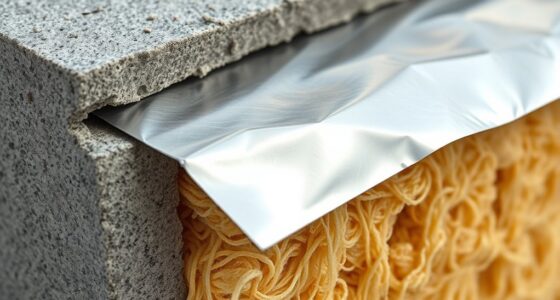
Understanding specific heat helps you optimize heating and cooling systems by showing how much energy a material can absorb and retain. Materials with high specific heat can stabilize temperatures and act as buffers during peak times, improving energy efficiency and reducing waste. Lower specific heat materials react faster but don’t store heat as well. Knowing this allows you to select the right materials for better system responsiveness and stability—keep exploring to learn more about how it all works.

Get backup power and energy gear delivered free with Prime
- Fast, free delivery on millions of items
- Prime Video, Amazon Music and more included
- Member-only deals all year
Key Takeaways
- Specific heat determines how much energy is needed to raise or lower a material’s temperature in heating and cooling systems.
- High specific heat materials absorb and store more heat, providing better thermal regulation and energy efficiency.
- Understanding specific heat helps select appropriate materials to optimize system responsiveness and stability.
- Materials with suitable specific heat capacities reduce temperature fluctuations and improve long-term temperature control.
- Proper knowledge of specific heat prevents energy waste and enhances the effectiveness of thermal storage and management.
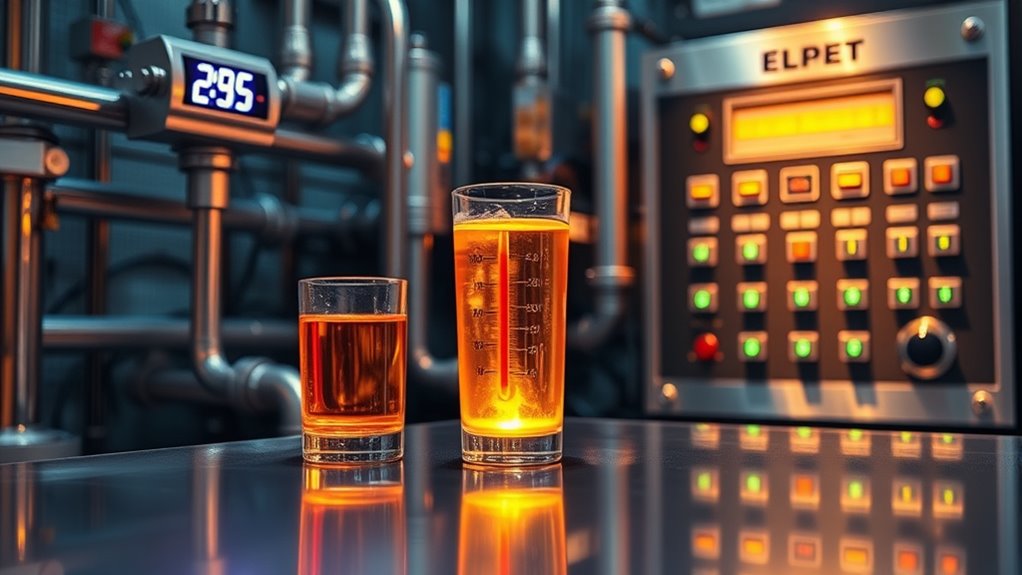
Understanding specific heat is essential when designing effective heating and cooling systems because it determines how much energy is needed to change a substance’s temperature. This property plays a critical role in thermal storage, which involves capturing and holding heat for later use. When you select materials with appropriate specific heat capacities, you can optimize how efficiently your system stores and releases thermal energy. For example, materials with high specific heat can absorb and retain large amounts of heat without significant temperature changes, making them ideal for thermal storage applications. By incorporating such materials, you enhance energy efficiency because less energy is wasted during heating or cooling cycles, and the system can maintain desired temperatures over longer periods.
In practical terms, understanding specific heat allows you to design systems that respond more predictably to temperature fluctuations. When you know how much energy a substance requires to warm up or cool down, you can adjust the amount of energy supplied, avoiding unnecessary expenditure. This precision helps improve overall energy efficiency because your system won’t waste power heating or cooling substances that don’t need it. It also means you can better match the thermal properties of storage tanks, pipes, or building materials to your specific needs. For example, in a building’s thermal management, using materials with suitable specific heat properties can help regulate indoor temperatures more steadily, reducing the workload of heating and cooling units.
Furthermore, the choice of materials based on their specific heat impacts the system’s responsiveness and stability. When you select a material with a high specific heat for thermal storage, it can act as a buffer, absorbing excess heat during peak times and releasing it when needed. This buffering effect minimizes temperature swings, leading to more stable indoor environments and less energy consumption. Conversely, materials with lower specific heat change temperature more rapidly, which could be advantageous in systems requiring quick responses but might be less suitable for long-term thermal storage. Additionally, considering the signs of spoilage in stored materials can help prevent energy waste by ensuring only safe and effective substances are used in your system.
thermal storage materials for heating systems
As an affiliate, we earn on qualifying purchases.
As an affiliate, we earn on qualifying purchases.
Frequently Asked Questions
How Does Specific Heat Vary With Temperature?
You might notice that specific heat varies with temperature due to its temperature dependence. As temperature increases, heat capacity variation often causes specific heat to change, typically rising for many substances up to a point. This means that at different temperatures, a material absorbs or releases heat differently. Understanding this helps you predict how substances will respond during heating or cooling, ensuring more accurate control in systems or experiments.
What Materials Have the Highest Specific Heat Capacities?
You’ll find that water and certain salts have the highest specific heat capacities, making them excellent for thermal storage. When selecting materials for heating or cooling systems, consider their high specific heat, as it allows them to absorb and release large amounts of heat without significant temperature changes. This makes water ideal for thermal storage applications, ensuring efficient temperature regulation and energy savings in your system.
How Is Specific Heat Measured in Laboratory Settings?
A picture is worth a thousand words, so you measure specific heat by conducting calorimetry experiments. You heat a substance and record temperature changes, then calculate the heat absorbed or released. You might also use thermal conductivity testing to understand heat transfer. These methods give you precise data on a material’s specific heat capacity, helping you understand how it responds to temperature changes in real-world applications.
Can Specific Heat Affect Energy Efficiency in Systems?
Yes, specific heat affects energy efficiency in systems by influencing heat transfer efficiency and thermal insulation. When materials with higher specific heat are used, they can absorb and store more heat, reducing temperature fluctuations and maintaining consistent indoor temperatures. This minimizes energy loss and reduces the workload on heating or cooling devices, making your system more efficient. Choosing materials with appropriate specific heat values enhances overall energy performance and comfort.
How Does Phase Change Impact Specific Heat Values?
When a phase change occurs, your material’s specific heat values shift dramatically because latent heat takes over. Instead of heating or cooling at a steady rate, energy goes into changing the substance’s state—like melting or boiling—without raising its temperature. This dramatic change impacts how systems manage heat, making phase changes essential in designing efficient heating and cooling processes that leverage latent heat instead of relying solely on specific heat.
high specific heat building insulation
As an affiliate, we earn on qualifying purchases.
As an affiliate, we earn on qualifying purchases.
Conclusion
Understanding specific heat helps you see how materials like water efficiently regulate temperature in heating and cooling systems. For example, a homeowner using a water-based radiator benefits from water’s high specific heat, maintaining consistent warmth even during cold nights. Knowing this, you can choose the right materials for your system, ensuring comfort and energy efficiency. By leveraging specific heat, you optimize your heating or cooling setup, saving money and enhancing comfort in your daily life.
thermal mass materials for thermal regulation
As an affiliate, we earn on qualifying purchases.
As an affiliate, we earn on qualifying purchases.
energy-efficient thermal storage tanks
As an affiliate, we earn on qualifying purchases.
As an affiliate, we earn on qualifying purchases.
Fall Picks
fall essentials
As an affiliate, we earn on qualifying purchases.