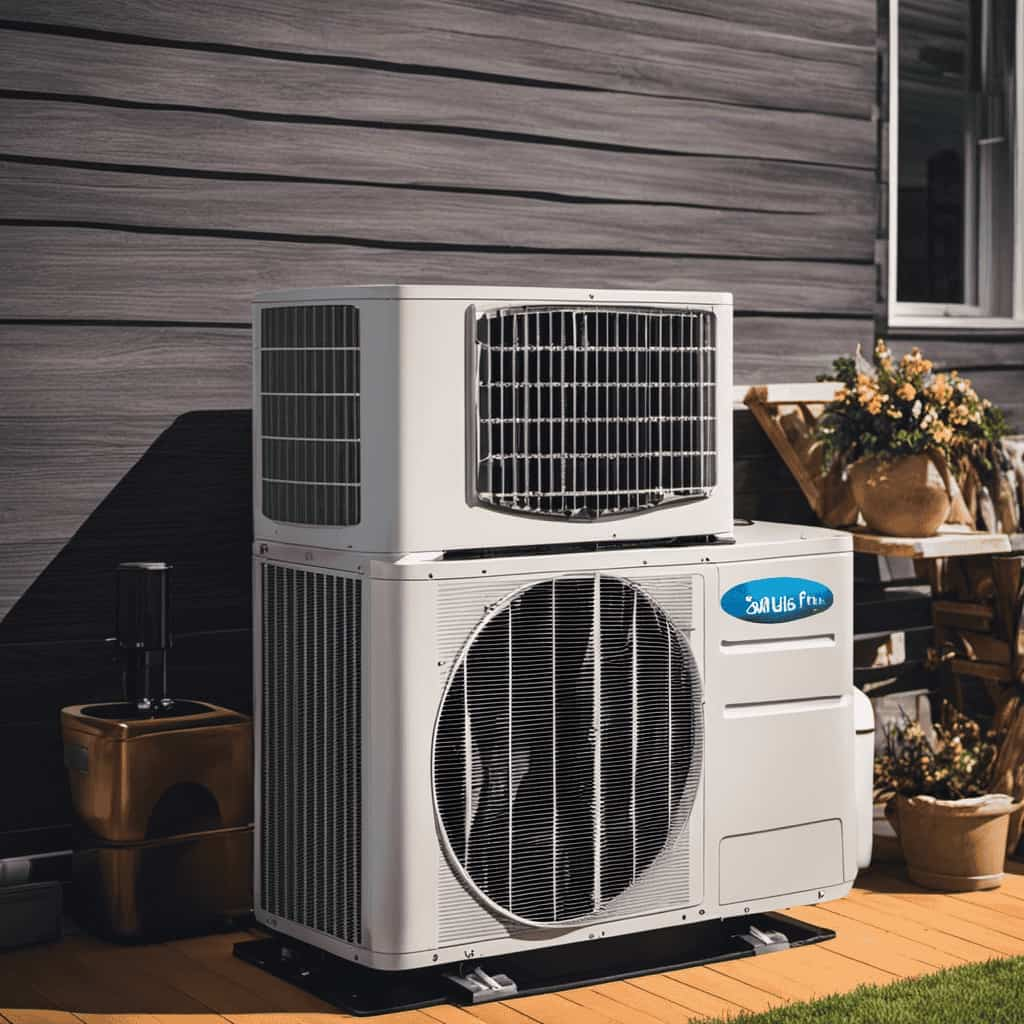

Surface temperature affects your comfort more than air temperature because it directly radiates heat to or from your skin, influencing how warm or cold you feel. Warm surfaces emit radiant heat, making you feel cozy even in cooler air, while cold surfaces pull heat away, causing discomfort. This radiant exchange impacts your thermal sensation more strongly than air temperature alone. Keep exploring to understand how controlling surface warmth can greatly improve your environment’s comfort.

Get backup power and energy gear delivered free with Prime
- Fast, free delivery on millions of items
- Prime Video, Amazon Music and more included
- Member-only deals all year
Key Takeaways
- Surfaces emit or absorb radiant heat, directly impacting skin sensation more than air temperature.
- Cold or warm surfaces influence thermal perception through contact and radiation, affecting comfort levels.
- Radiant heat transfer from surfaces often feels more intense than the effect of ambient air temperature.
- Surface temperature significantly alters perceived warmth or coldness, independent of air temperature.
- Managing surface temperatures through insulation or heating improves overall thermal comfort.

Surface temperature plays an essential role in how comfortable you feel in any environment. While air temperature often gets the spotlight, the warmth or coolness of surfaces around you has a more direct impact on your thermal sensation. When surfaces are warm, they emit radiant heat, which you can feel even if the air isn’t particularly hot. This radiant heat interacts with your skin, influencing how hot or cold you perceive your surroundings to be. Conversely, cold surfaces can absorb heat from your skin, making you feel chilled even if the ambient air temperature is moderate.
Your body responds to the temperature of surfaces because of the way radiant heat affects your thermal sensation. For example, sitting on a cold metal bench or touching a cold wall can give you an immediate sense of chill, regardless of the air temperature. This sensation occurs because your skin picks up heat—or loses it—from the surface through radiation. When a surface is warmer than your skin, it radiates heat toward you, creating a feeling of warmth. When it’s cooler, it pulls heat away, making you feel cold. This dynamic often explains why you might feel more uncomfortable sitting on a chilly floor than standing in a room with a slightly lower air temperature.
Cold surfaces pull heat away, making you feel chilly even if the air is warm.
Understanding the influence of surface temperature helps you realize why controlling radiant heat is essential for comfort. For instance, in winter, heating surfaces like radiators or warm floors can considerably improve your thermal sensation. In contrast, cool surfaces, like uninsulated concrete or metal, can create discomfort because they draw heat away from your body. It’s not just the air that matters; the surfaces you contact or are exposed to play an important role in how warm or cool you feel. This is why radiant heat from surfaces often feels more intense and noticeable than the effect of air temperature alone. Additionally, indoor pollutants such as microplastics in dust can influence overall comfort and air quality, impacting how you perceive your environment.
In essence, your comfort hinges on how your skin exchanges heat with surrounding surfaces through radiation. Even when the air temperature seems adequate, cold or warm surfaces can alter your thermal sensation dramatically. Recognizing this helps you understand why certain environments feel more comfortable than others, regardless of the thermostat setting. To optimize comfort, managing surface temperatures—through insulation, heating, or cooling—becomes just as important as adjusting the air temperature. Moreover, awareness of surface properties can guide you in selecting appropriate clothing or accessories to better regulate your thermal comfort.
electric underfloor heating system
As an affiliate, we earn on qualifying purchases.
As an affiliate, we earn on qualifying purchases.
Frequently Asked Questions
How Does Clothing Insulation Influence Surface Temperature and Comfort?
Clothing insulation impacts surface temperature and comfort by adding layers that trap heat and reduce heat loss. The fabric properties, like breathability and thickness, determine how well heat is retained or released. When you wear multiple clothing layers, you create a barrier that keeps your skin warmer, improving comfort. Conversely, lightweight fabrics allow heat to escape, making you feel cooler and less comfortable in colder environments.
What Role Does Humidity Play in Surface Temperature Perception?
Imagine humidity effects as a quiet artist, subtly shaping how you perceive surface temperature. High humidity can turn your skin into a damp sponge, amplifying the sensation of warmth or chill. Conversely, low humidity allows heat to escape, making surfaces feel cooler. This perception variance depends on your body’s response, where moisture levels influence comfort more than air temperature alone, turning surface temperature into an intimate, fluctuating experience.
Can Surface Temperature Vary Significantly Indoors Versus Outdoors?
Surface temperature can vary markedly indoors versus outdoors due to surface variability and indoor fluctuations. Indoors, surfaces like walls and floors are influenced by heating or cooling systems, causing temperature changes. Outdoors, surface temperatures fluctuate with sunlight, weather, and ground conditions. These variations impact your comfort more than air temperature alone, as your skin interacts directly with surfaces, making surface temperature a key factor in perceived comfort.
How Do Different Materials Affect Surface Temperature and Comfort Levels?
Imagine the gentle touch of a cozy blanket—material properties like thermal conductivity directly influence surface temperature, shaping your comfort. Materials with high thermal conductivity, like metal, transfer heat quickly, making surfaces feel cold or hot. Conversely, low-conductivity materials, such as wood or fabric, retain warmth and feel soothing. Choosing the right materials for surfaces guarantees they harmonize with your comfort needs, creating a space that feels just right.
Is There a Way to Measure Surface Temperature Easily at Home?
Yes, you can measure surface temperature easily at home using DIY thermometry with infrared sensors. Simply point an inexpensive infrared thermometer or sensor at the surface you want to check, like your skin or a material’s surface, and read the temperature instantly. These devices are user-friendly, provide quick results, and don’t require contact, making them perfect for at-home surface temperature measurements.
As an affiliate, we earn on qualifying purchases.
Conclusion
So, next time you feel unexpectedly uncomfortable, remember it might not be the air temperature but the surface temperature around you. It’s almost like the universe conspired to make your comfort hinge on something you rarely notice. By paying attention to surfaces—whether your chair, floor, or walls—you can better understand and improve your environment. Sometimes, it’s the smallest details that unexpectedly influence how cozy or uneasy you feel. Keep an eye on surfaces—they might just be your secret to comfort.
As an affiliate, we earn on qualifying purchases.
insulated wall panels for temperature control
As an affiliate, we earn on qualifying purchases.
As an affiliate, we earn on qualifying purchases.
Halloween Picks
halloween
As an affiliate, we earn on qualifying purchases.