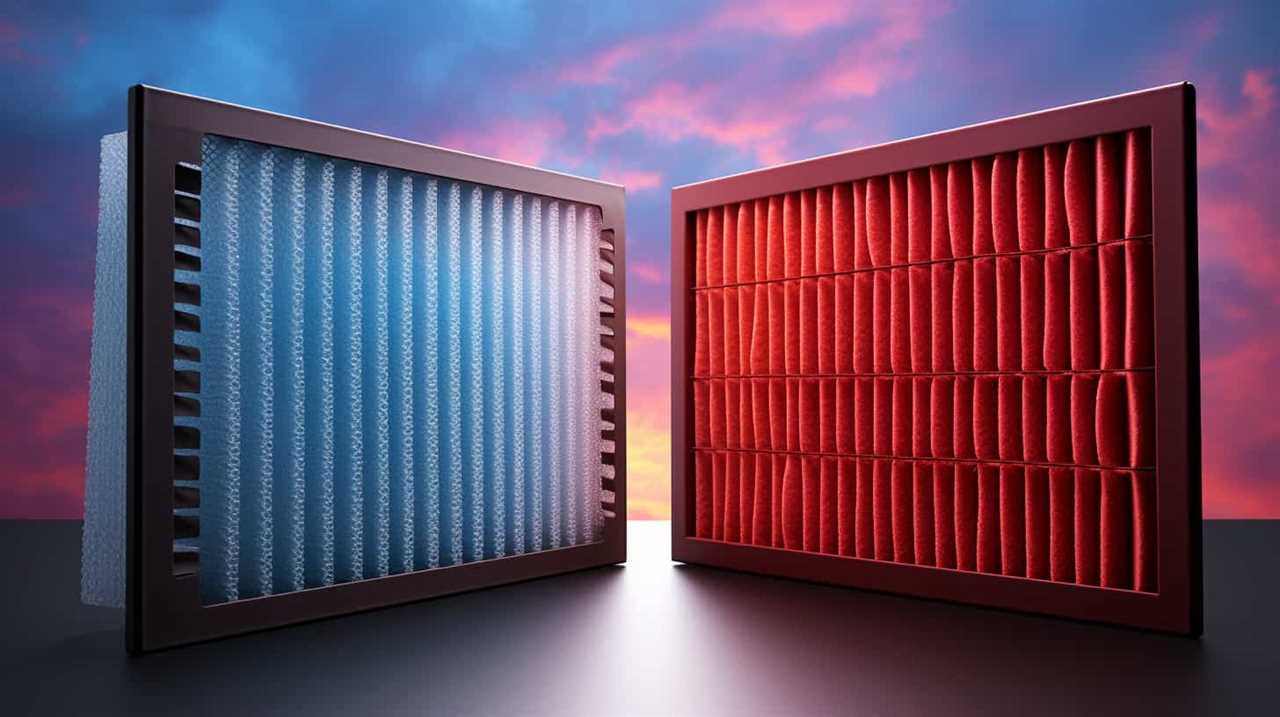
To measure U-values and R-values in building envelopes, you can use modern techniques like thermal imaging and insulation testing with specialized equipment. These methods help you identify heat loss areas, gaps, or moisture issues that affect insulation performance. U-values show how much heat passes through building elements, while R-values indicate resistance to heat flow. Understanding these values helps you improve energy efficiency and indoor comfort. Keep exploring to learn how to get accurate measurements and optimize your building’s performance.
Key Takeaways
- U-values measure heat transfer through building elements; R-values indicate insulation resistance, both essential for assessing thermal performance.
- Modern measurement techniques like thermal imaging and insulation testing provide accurate, non-invasive U- and R-value assessments.
- Thermal imaging visualizes heat loss areas, helping identify insulation gaps or moisture issues impacting U- and R-values.
- Insulation testing with specialized equipment offers direct, precise measurements of a building’s thermal resistance and heat transfer.
- Accurate U- and R-value measurements guide targeted insulation improvements, enhancing energy efficiency and indoor comfort.
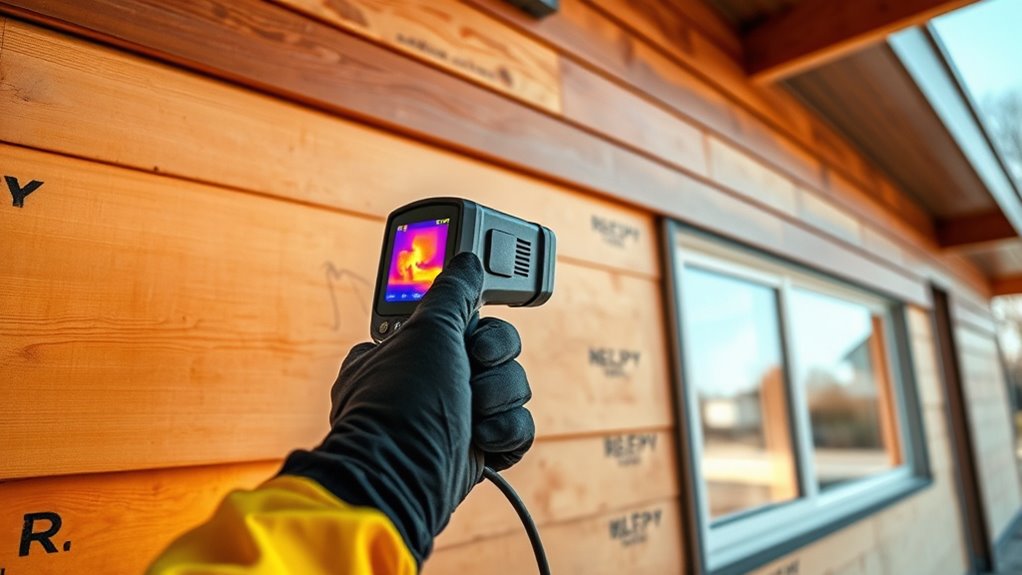
Understanding how well a building insulates can seem complex, but measuring U-values and R-values provides clear insights. These measurements help you assess the effectiveness of your building’s thermal envelope, ensuring it retains heat during winter and stays cool in summer. While traditional methods involve manual calculations and inspections, modern techniques like thermal imaging and insulation testing make this process more accurate and efficient. Thermal imaging, in particular, allows you to visualize heat loss across walls, roofs, and windows. By scanning the building’s surfaces, you can identify areas where insulation may be lacking or compromised, which might not be evident to the naked eye. This non-invasive approach saves time and provides immediate visual feedback, guiding your decisions on where to improve insulation.
Measuring U-values and R-values with thermal imaging reveals hidden insulation issues efficiently.
Insulation testing is another fundamental step in measuring thermal performance. It often involves using specialized equipment to evaluate the thermal resistance of building materials directly. For example, a blower door test can measure air leakage, which impacts the overall thermal efficiency, while a heat flux sensor can help determine the U-value of a specific part of the structure. The U-value indicates how much heat passes through a building element, with lower U-values signifying better insulation. Conversely, R-values measure the resistance to heat flow; higher R-values mean better insulation. By combining these measurements, you gain a thorough understanding of your building’s thermal performance.
Using thermal imaging during insulation testing can reveal hidden problems, like gaps or moisture intrusion, that reduce insulation effectiveness. These issues can cause localized heat loss, leading to higher energy bills and discomfort. Identifying them early enables targeted repairs, improving energy efficiency and indoor comfort. When you measure U-values, you’re essentially quantifying how well your walls, roofs, and windows prevent heat transfer. R-values, on the other hand, tell you how much resistance to heat flow each layer of insulation provides. Knowing both allows you to compare different materials, assess the overall insulation quality, and prioritize upgrades.
Furthermore, understanding the properties of projector technology can help in designing spaces that optimize visual comfort and energy efficiency. In practice, conducting these measurements helps you make informed decisions about upgrading or replacing insulation. It can also guide maintenance efforts, ensuring your building continues to perform vital over time. Whether you’re inspecting an existing structure or planning a new build, leveraging thermal imaging and insulation testing to measure U-values and R-values gives you a clear picture of your building’s thermal health. This proactive approach not only enhances comfort but also reduces energy consumption, saving you money in the long run.
Frequently Asked Questions
How Do U-Values Differ From R-Values in Practical Applications?
U-values measure how well a building envelope conducts heat, reflecting thermal conductivity and insulation performance. Lower U-values mean better insulation, helping you keep heat in during winter and out during summer. R-values, on the other hand, show how much resistance the insulation provides; higher R-values indicate better insulation performance. In practice, U-values help you evaluate overall energy efficiency, while R-values focus on individual insulation materials’ effectiveness.
What Factors Influence the Accuracy of U-Value Measurements?
You influence the accuracy of U-value measurements through measurement precision and environmental variability. Precise tools and proper techniques help reduce errors, while fluctuating outdoor conditions like temperature and humidity can skew results. To get reliable data, guarantee consistent testing conditions, calibrate instruments regularly, and account for environmental changes. These steps help you minimize inaccuracies, making your U-value readings more dependable for evaluating building insulation performance.
Can U-Values Be Used to Compare Different Building Materials Directly?
Imagine you’re in the midst of a hot tech revolution—U-values aren’t really meant for direct material comparison. They help you gauge thermal performance, but different materials with similar U-values may still perform differently due to factors like installation or environmental conditions. So, while U-values give you a good starting point, don’t rely solely on them for material comparison; consider other properties for a full picture.
How Often Should U-Value and R-Value Testing Be Conducted?
You should conduct U-value and R-value testing whenever you’re designing new buildings or making significant upgrades to guarantee building code compliance. Regular testing, at least every few years or after major renovations, helps verify insulation performance. Follow testing frequency guidelines recommended by local building codes or standards organizations, which may vary by region. Consistent testing ensures your building maintains energy efficiency and adheres to safety regulations over time.
Are There Industry Standards for Acceptable U- and R-Values?
Think of building standards as a blueprint for success. Industry regulations set clear targets for U- and R-values, guaranteeing insulation meets performance standards and complies with building code regulations. While specific acceptable values vary by climate zone and building type, generally, lower U-values and higher R-values are preferred. Always check local codes and standards to ensure your insulation choices align with the required benchmarks for energy efficiency and safety.
Conclusion
By understanding how to measure U-values and R-values, you can accurately assess a building’s insulation performance. You gain clarity on energy efficiency, identify areas for improvement, and make smarter choices. You compare materials with confidence, evaluate their effectiveness, and guarantee comfort and savings. In knowing these measures, you empower your building projects—making informed decisions, optimizing performance, and creating energy-efficient spaces that stand the test of time.