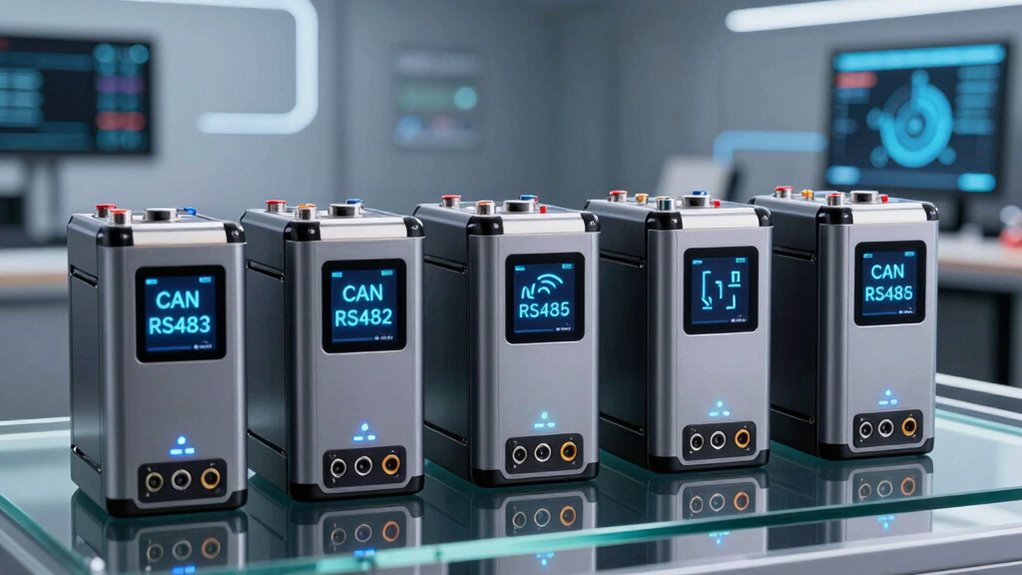

Choosing a battery with CAN and RS485 communication support involves balancing capacity, integration ease, and compatibility. For 2026, I’ve identified some standout options: MFUZOP 48V 100Ah LiFePO4 leads for its high capacity and robust build; VEVOR 48V 100Ah excels with extensive cycle life and mobile monitoring; and LiTime 24V 100Ah offers seamless integration with Victron systems but requires more technical setup. Each presents tradeoffs between cost, complexity, and features, making it essential to match your specific application and technical comfort level.
Open a free Amazon Business account
Business pricing, bulk buying and tax-exempt orders.
Create a free accountAs an affiliate, we earn on qualifying purchases.
Key Takeaways
- High-capacity batteries like the MFUZOP and VEVOR models suit large-scale or long-term storage needs.
- Monitoring features vary from LCD displays to Bluetooth and WiFi, impacting ease of use and setup complexity.
- Compatibility with communication protocols like CAN and RS485 is common, but integration quality depends on system support.
- Weight and installation requirements differ, with some models favoring wall-mounting and others offering more portability.
- Price and initial investment can be significant, especially for high-capacity, feature-rich systems.



| battery with can and rs485 communication | Voltage | Capacity | Energy |
|---|---|---|---|
| MFUZOP 48V 100Ah LiFePO4 Lithi | 48V | 100Ah | 5.12kWh |
| VEVOR 48V 100Ah LiFePO4 Lithiu | 51.2V | 100Ah | 5120Wh |
| LiTime 24V 100Ah Communication | 25.6V | 100Ah | — |
| 48V 100Ah LiFePO4 Lithium Batt | 48V | 100Ah | 5kWh |
| 48V 314Ah LiFePO4 Deep Cycle L | 48V | 314Ah | 16.07kWh |
More Details on Our Top Picks
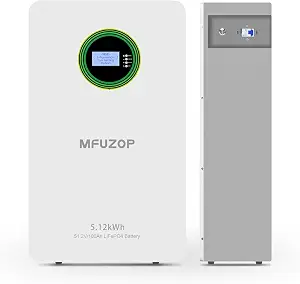
MFUZOP 48V 100Ah LiFePO4 Lithium Battery, 5.12kWh, Wall-Mounted, Built-in 100A BMS, Supports RS232/RS485/CAN, Expandable for Home Off-Grid RV Backup Power
The MFUZOP 48V 100Ah stands out for its substantial 5.12kWh capacity, making it ideal for larger energy demands. Its all-metal enclosure provides durability, and the built-in 100A BMS offers comprehensive protection. The support for multiple communication protocols, including CAN and RS485, ensures flexible integration with various systems. Compared with other options, it emphasizes long-term reliability and high capacity, though it requires wall-mounting space and has a higher initial cost. Its real-time LCD display simplifies monitoring, making it suitable for homeowners and RV users seeking a stable, expandable power source.
Pros:- High-capacity 5.12kWh energy storage
- Long lifespan over 10 years
- Durable all-metal enclosure
- Supports multiple communication protocols
Cons:- Requires wall-mount installation
- Higher upfront cost
- Compatibility depends on inverter support
Best for: Home and RV owners needing high capacity and durability
Not ideal for: Buyers seeking lightweight or portable options; those with limited installation space
- Voltage:48V
- Capacity:100Ah
- Energy:5.12kWh
- Communication Support:RS232/RS485/CAN
- Lifespan:Over 10 years
- Enclosure:All-metal
Our verdict“A robust, high-capacity choice best suited for permanent installations requiring reliable, expandable power.”
VEVOR 48V 100Ah LiFePO4 Lithium Battery, 51.2V Server Rack Battery with Bluetooth & Display, 5120Wh, 6000 Cycles, Built-in 100A BMS, for Solar & Home Backup (2 Pack)
The VEVOR 48V 100Ah offers impressive longevity with over 6000 cycles, making it a cost-effective option for long-term use. Its space-saving design and compatibility with server racks suit both solar and backup applications. The built-in BMS supports comprehensive protection, and the Bluetooth-enabled LCD and mobile app provide real-time monitoring without additional hardware. Compared to the MFUZOP, it offers a slightly lower capacity but excels in cycle life and flexibility, especially for users comfortable managing multiple batteries. Its price can be higher depending on the retailer, but its durability justifies the investment.
Pros:- Over 6000 cycles for long-term reliability
- Bluetooth and app monitoring for convenience
- Space-efficient design compatible with server racks
- Built-in BMS for protection
Cons:- Requires space for two batteries for higher capacity
- Price varies by retailer
- Less capacity compared to larger systems like MFUZOP
Best for: Long-term solar and backup systems requiring durability and remote monitoring
Not ideal for: Buyers seeking simple plug-and-play solutions; those with limited space for two batteries
- Voltage:51.2V
- Capacity:100Ah
- Energy:5120Wh
- Cycle Life:6000 cycles
- Built-in BMS:Yes
- Monitoring:Bluetooth & Display
Our verdict“An excellent choice for durability-focused setups needing extensive cycle life and remote monitoring, with some tradeoffs in capacity and cost.”
LiTime 24V 100Ah Communication Lithium Battery for Victron Cerbo GX
The LiTime 24V 100Ah is tailored for users employing Victron Cerbo GX systems, supporting remote monitoring and scalable parallel connections. Its advanced safety protections and Bluetooth monitoring make it suitable for off-grid applications, RVs, and campers. While its 24V configuration limits capacity compared to higher-voltage options, its seamless integration and safety features are ideal for technical users who prioritize system compatibility. The battery’s weight and setup complexity mean it’s best suited for those comfortable with electronics and system configuration.
Pros:- Supports remote monitoring via Bluetooth
- Connect up to 16 units for scalability
- Advanced safety protections
- Designed for off-grid and RV applications
Cons:- Relatively heavy at 45.8 pounds
- Complex setup for non-technical users
- Limited detailed warranty info
Best for: Victron system users seeking seamless remote control and scalability
Not ideal for: Buyers without Victron support or those preferring plug-and-play solutions
- Voltage:25.6V
- Capacity:100Ah
- Weight:45.8 pounds
- Parallel Units:Up to 16
- Protection:Advanced safety features
Our verdict“A specialist battery ideal for Victron users needing scalable, remote-controlled energy storage with safety features.”
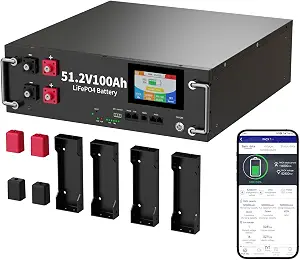
48V 100Ah LiFePO4 Lithium Battery with WiFi & Bluetooth, Touch Screen, CAN & RS485, 5KWh for RV, Solar, Home Backup
This 48V, 100Ah LiFePO4 battery combines real-time monitoring with a touch screen and smartphone apps, supporting expansion up to 15 batteries. Its built-in WiFi, Bluetooth, CAN, and RS485 provide flexible communication options, making it suitable for a variety of energy systems. The lightweight design and intuitive interface make setup straightforward, though the customer rating indicates some room for improvement in user experience. It balances ease of use with high expandability, making it well-suited for DIY and semi-professional setups.
Pros:- Real-time monitoring via touch screen and app
- Supports expansion up to 15 batteries
- Multiple communication ports including CAN and RS485
- Decent lifespan with 8000+ cycles
Cons:- Customer rating of 4.1/5 suggests some issues
- Heavy at 93 pounds
- Setup may require technical knowledge
Best for: Users seeking simple monitoring and scalable capacity
Not ideal for: Buyers needing the absolute highest capacity or professional-grade installation
- Voltage:48V
- Capacity:100Ah
- Energy:5kWh
- Max Cycles:8000+
- Communication Ports:WiFi, Bluetooth, CAN, RS485
Our verdict“A versatile, expandable battery with user-friendly features, suitable for DIY energy projects and moderate system expansion.”
48V 314Ah LiFePO4 Deep Cycle Lithium Battery with BMS & LCD Monitor for Home & Solar Energy Storage
The 48V 314Ah LiFePO4 offers a massive 16.07kWh capacity, supporting large-scale energy needs like home backup and solar farms. Its long cycle life of over 8,000 cycles and built-in BMS provide high reliability. The LCD monitor displays real-time data, and the system supports parallel operation for scalable capacity, up to 15 units. Its design is primarily for indoor use, and its weight and initial cost are higher, but it delivers significant capacity and durability for serious off-grid setups.
Pros:- Massive 16.07kWh capacity
- Over 8,000 cycle lifespan
- Supports parallel expansion
- Real-time LCD monitoring
Cons:- Heavy and requires professional installation
- Indoor use only due to IP20 rating
- High initial cost
Best for: Large-scale solar, off-grid homes, and commercial energy storage
Not ideal for: Small-scale users or those preferring portable solutions
- Voltage:48V
- Capacity:314Ah
- Energy:16.07kWh
- Cycle Life:Over 8,000 cycles
- Protection:Built-in 200A BMS
Our verdict“A high-capacity, scalable power bank ideal for large energy needs, with a focus on durability and long-term reliability.”

How We Picked
In selecting these batteries, I prioritized models that integrate CAN and RS485 communication protocols, essential for remote monitoring and system integration. I evaluated capacity, cycle life, build quality, and expandability options, favoring products that balance performance with ease of use. Consideration was given to real-world applications like off-grid power, RV systems, and home backup, ensuring the options cover a range of needs. I also assessed user interface features such as LCD displays and connectivity options, alongside durability and cost, to create a well-rounded lineup for different buyer profiles.
Factors to Consider When Choosing Battery With Can And Rs485 Communication
When selecting a battery with CAN and RS485 communication, key considerations include capacity, expandability, monitoring features, and installation environment. Understanding your energy load and future expansion plans helps narrow options. Communication protocols must align with your system’s inverter or controller compatibility, and ease of monitoring can save time and effort. Weight, size, and cost also influence suitability, especially for mobile or limited-space applications. This guide will walk you through these factors to match you with the best system for your needs.
Capacity and Power Needs
Assess your total energy requirements now and in the future. Larger systems like the MFUZOP or the 48V 314Ah model provide greater capacity for off-grid homes or high-demand applications, but they come with increased weight and cost. Smaller, scalable options like the LiTime or the 48V 100Ah VEVOR are better for moderate loads and easier to install. Match your load profile with the battery capacity, considering potential expansion if needed.
Communication and Monitoring Features
Define whether you prefer wired protocols like CAN and RS485 or wireless options such as Bluetooth or WiFi. Protocols like CAN and RS485 enable integration with industrial controllers and inverters, while Bluetooth and WiFi simplify user access through apps. If remote monitoring or system scalability is important, prioritize models with comprehensive communication ports and user-friendly interfaces, such as LCD touchscreens or mobile apps.
Installation Environment and Size
Consider where the battery will reside. Wall-mounted models like the MFUZOP save space for stationary setups, whereas portable or rack-mountable units like the VEVOR or LiTime suit flexible installations. Heavier batteries require sturdy mounting solutions and possibly professional installation. Indoor versus outdoor placement also impacts choice, especially regarding IP ratings and temperature tolerances.
Cost and Expandability
High-capacity batteries and those with extensive monitoring features tend to cost more upfront. If you anticipate increasing your storage, look for systems supporting parallel expansion. While larger systems provide longer-term value, initial investment should be balanced against your budget and technical expertise. For smaller or budget-conscious setups, scalable options with fewer features may be more appropriate.
Frequently Asked Questions
What is the benefit of communication protocols like CAN and RS485 in batteries?
Communication protocols such as CAN and RS485 enable batteries to connect with inverters, controllers, and monitoring systems, allowing for real-time data exchange. This connectivity improves system reliability, simplifies diagnostics, and allows remote monitoring, which can be crucial for maintaining optimal performance and safety in off-grid or backup applications.
How does battery capacity impact my energy system?
Battery capacity directly influences how long your system can supply power without recharging. Larger capacities, such as the 16.07kWh model, support extended operation for entire homes or large setups, while smaller batteries are suitable for supplementary or portable applications. Always size your battery based on your load profile and future expansion plans.
Is monitoring via LCD or mobile apps more advantageous?
Both options provide valuable insights into your system’s status. LCD screens offer immediate, on-device data, ideal for quick checks and installations without internet. Mobile apps enable remote access, historical data, and alerts, which are useful for ongoing system management. Choosing depends on your preference for convenience versus simplicity.
Can I expand my battery system easily?
Many modern batteries support parallel expansion, allowing you to increase capacity over time. Systems like the 48V 314Ah model explicitly support up to 15 units. However, proper wiring, balancing, and inverter compatibility are essential for safe and efficient scalability. Professional installation is advisable when expanding large systems.
What installation considerations should I keep in mind?
Installation depends on the battery’s size, weight, and environmental ratings. Wall-mounted units save space but require sturdy mounting. Heavier batteries may need professional placement to ensure safety. Indoor use is common, especially for IP20-rated models, while outdoor setups require weatherproof enclosures. Planning for sufficient ventilation and space will prolong system longevity.
Conclusion
If you need a high-capacity, durable system for a stationary home or RV with advanced monitoring, the MFUZOP or the 48V 314Ah LiFePO4 are excellent choices. For long-term reliability and expandable solar setups, the VEVOR 100Ah model offers outstanding cycle life. If you’re integrating with Victron Cerbo GX and want remote control, the LiTime 24V battery is tailored for that environment. For moderate, user-friendly systems with easy monitoring, the 48V 100Ah WiFi/Bluetooth option strikes a good balance. Your choice should align with your technical comfort, system size, and future expansion plans.
Fall Picks
fall essentials
As an affiliate, we earn on qualifying purchases.