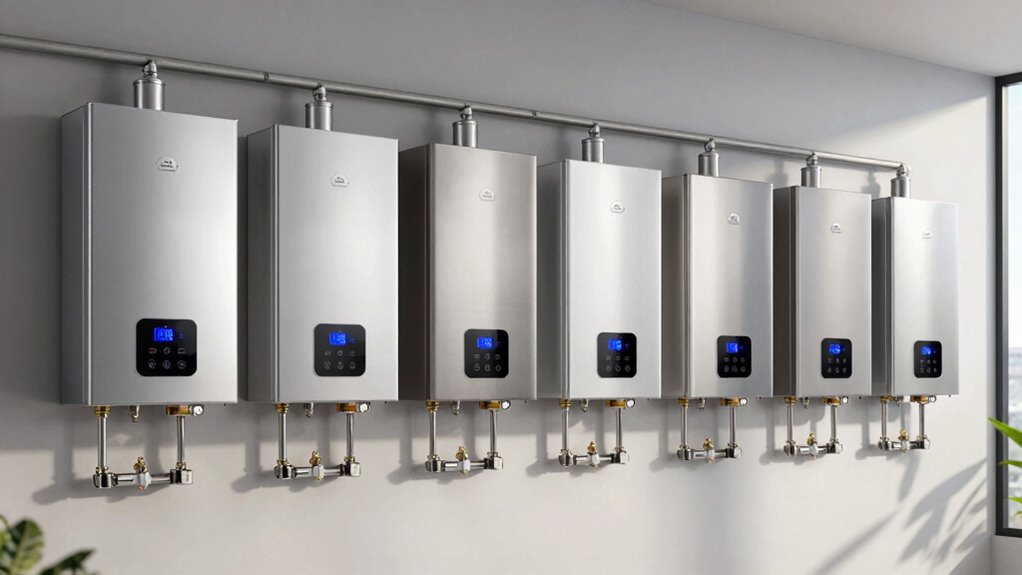

For those seeking an efficient way to heat water, a condensing tankless water heater offers high energy savings and compact design. The Rinnai RU160iN stands out as the best overall choice thanks to its reliable performance and advanced features. The Rheem RTGH Series 9.0 GPM is a notable premium option for large households, while the ThermoMate Propane Model provides great value for budget-conscious buyers. These units differ mainly in capacity, efficiency, and installation complexity, making the right pick depend on your specific home size and fuel source. Continue reading for the full breakdown of each model and how to choose the best one for your needs.

Get backup power and energy gear delivered free with Prime
- Fast, free delivery on millions of items
- Prime Video, Amazon Music and more included
- Member-only deals all year
Key Takeaways
- Capacity and flow rate are critical; larger households need higher GPM ratings for consistent hot water.
- Condensing technology significantly improves efficiency but can add to initial costs and complexity.
- Fuel type (natural gas vs propane) affects installation and operational flexibility.
- Premium models often offer smart controls and longer warranties, justifying higher prices.
- Size and installation requirements vary, so measure your space carefully before buying.
| Ranein Condensing Natural Gas Tankless Water Heater, 5.1 GPM, 120,000 BTU |  | Best Overall for Space-Saving Efficiency | Flow Rate: 5.1 GPM | BTU: 120,000 | Power Source: 120V | VIEW ON AMAZON | See Our Full Breakdown |
| Rheem RTG Series 7.0 GPM Natural Gas Tankless Water Heater Indoor |  | Best for Large Families and Multi-Bath Homes | Flow Rate: 7.0 GPM | BTU: 160,000 BTUs | Efficiency: 0.82 UEF | VIEW ON AMAZON | See Our Full Breakdown |
| ThermoMate Condensing Tankless Water Heater Natural Gas, Up to 5.28 GPM |  | Best for Balanced Efficiency and Safety | Flow Rate: 5.28 GPM | Maximum Temperature: 140°F | Heat Output: 114,000 BTU | VIEW ON AMAZON | See Our Full Breakdown |
| Rinnai RXP160iN Condensing Smart Sense Tankless Water Heater |  | Best for Smart, Flexible, High-Flow Hot Water | Flow Rate: 9 GPM | Efficiency: UEF .97 | Fuel Type: Propane or Natural Gas | VIEW ON AMAZON | See Our Full Breakdown |
| Rinnai RX160iN Condensing Smart Sense Tankless Water Heater | | Best for Indoor/Outdoor Flexibility and Smart Control | Flow Rate: Up to 9 GPM | Fuel Type: Propane or Natural Gas | Efficiency: UEF .97 | VIEW ON AMAZON | See Our Full Breakdown |
| Rinnai RX130iN Condensing Smart Sense Tankless Water Heater |  | Best Compact and Versatile Choice | Flow Rate: 7.1 GPM | Gas Type: Propane or Natural Gas | Energy Efficiency: UEF .97 | VIEW ON AMAZON | See Our Full Breakdown |
| Rheem RTGH Series 9.0 GPM Natural Gas Tankless Water Heater Indoor, 180,000 BTUs, High Efficiency, Condensing, Ultra-Low NOx |  | Best for Large Households with High Hot Water Demand | Flow Rate: 9 GPM | Maximum Temperature: 140 °F | BTU: 180,000 | VIEW ON AMAZON | See Our Full Breakdown |
| ThermoMate Condensing Tankless Water Heater Propane, Up to 5.28 GPM |  | Best Compact and User-Friendly for Smaller Installations | Flow Rate: 5.28 GPM | BTU: 114,000 | Voltage: 120V | VIEW ON AMAZON | See Our Full Breakdown |
| Rinnai RU160iN Condensing Tankless Hot Water Heater, 9 GPM, Natural Gas, Indoor Installation |  | Best Advanced Technology with Recirculation and Wi-Fi | Flow Rate: 9 GPM | Fuel Type: Natural Gas | Installation Type: Indoor | VIEW ON AMAZON | See Our Full Breakdown |
| condensing tankless water heater | Flow Rate | Warranty |
|---|---|---|
| Ranein Condensing Natural Gas | 5.1 GPM | — |
| Rheem RTG Series 7.0 GPM Natur | 7.0 GPM | — |
| ThermoMate Condensing Tankless | 5.28 GPM | — |
| Rinnai RXP160iN Condensing Sma | 9 GPM | 15-year heat exchanger |
| Rinnai RX160iN Condensing Smar | Up to 9 GPM | 15-year on heat exchanger |
| Rinnai RX130iN Condensing Smar | 7.1 GPM | 15-year on heat exchanger, 5-year on parts and labor |
| Rheem RTGH Series 9.0 GPM Natu | 9 GPM | 15-year heat exchanger, 5-year parts |
| ThermoMate Condensing Tankless | 5.28 GPM | — |
| Rinnai RU160iN Condensing Tank | 9 GPM | 15-year heat exchanger, 5-year parts |
More Details on Our Top Picks
Ranein Condensing Natural Gas Tankless Water Heater, 5.1 GPM, 120,000 BTU
This Ranein model stands out for its combination of compact design and energy-saving condensing technology, making it ideal for smaller households with moderate hot water demands. Compared to the Rinnai RXP160iN, it offers a slightly lower flow rate but excels in reducing gas bills thanks to its efficient heat exchange. The smart LED touchscreen provides real-time diagnostics and multiple presets, simplifying operation. However, the need for professional installation and its limited flow rate make it less suited for larger households or high-demand use. It’s perfect for those seeking an efficient, space-conscious solution but not for homes with high simultaneous hot water needs.
Pros:- Energy-efficient condensing technology cuts gas bills by up to 20%
- Smart LED touchscreen with diagnostics and preset modes
- Compact wall-mounted design saves space
Cons:- Professional installation adds to overall cost
- Limited flow rate may not meet high demand
Best for: Small families or couples in apartments who want efficient hot water without sacrificing space
Not ideal for: Large households or homes with multiple high-demand bathrooms, as the flow rate may be insufficient
- Flow Rate:5.1 GPM
- BTU:120,000
- Power Source:120V
- Wattage:114 watts
- Maximum Temperature:149°F
- Maximum Pressure:150 psi
- Dimensions:14.2″ W x 22″ H x 6.4″ D
- Weight:26 pounds
Our verdict“This pick makes the most sense for space-conscious users seeking reliable, efficient hot water for small households.”
Rheem RTG Series 7.0 GPM Natural Gas Tankless Water Heater Indoor
Compared to the Ranein, the Rheem RTG Series offers a higher flow rate of 7.0 GPM, making it better suited for larger households with multiple bathrooms. Its high efficiency and advanced safety features like leak detection and freeze protection provide peace of mind during year-round operation. The tradeoff is that it requires proper venting and a more involved professional installation, which can increase setup costs. While it may be pricier initially, its capacity to supply endless hot water makes it ideal for busy homes that demand reliability across multiple fixtures.
Pros:- Provides continuous hot water for multiple fixtures
- High energy efficiency reduces utility bills
- Built-in safety features including leak detection
Cons:- Requires venting and professional installation
- Higher initial purchase cost
Best for: Families with several bathrooms needing simultaneous hot water without fluctuations
Not ideal for: Small apartments or singles who do not need such high capacity, due to higher upfront costs
- Flow Rate:7.0 GPM
- BTU:160,000 BTUs
- Efficiency:0.82 UEF
- Installation Type:Indoor
- Safety Features:Freeze and flame failure protections
- Dimensions:Space-saving wall-mount design
Our verdict“This model is best for large households seeking dependable, high-capacity hot water with safety features included.”
ThermoMate Condensing Tankless Water Heater Natural Gas, Up to 5.28 GPM
This ThermoMate model balances high energy efficiency with safety features like anti-freeze and flame failure protections, making it a solid choice for households with moderate hot water needs. Its flow rate of 5.28 GPM allows for two simultaneous showers, positioning it between the smaller Ranein and the larger Rheem. Unlike the Ranein, it offers dual heat exchangers for improved energy savings, but it requires a condensate neutralizer kit, which adds a layer of complexity to installation. Its smart touchscreen and safety measures make it attractive, though limited to natural gas supply and indoor setup constraints may influence placement.
Pros:- 15% energy savings with dual heat exchangers
- Provides hot water for two showers simultaneously
- Smart LED touchscreen for easy control and diagnostics
Cons:- Requires condensate neutralizer kit (not included)
- Indoor installation may need venting considerations
Best for: Small to medium households that want a reliable, efficient heater with safety features
Not ideal for: Homes with high hot water demand or where condensate neutralizer installation is inconvenient
- Flow Rate:5.28 GPM
- Maximum Temperature:140°F
- Heat Output:114,000 BTU
- Power Source:Natural Gas
- Special Features:Anti-Freezing, Condensing, Safety Protections
- Dimensions:13.77″ W x 21.65″ H
Our verdict“This model fits households needing efficient hot water with safety features, but installation complexity could be a hurdle for some.”
Rinnai RXP160iN Condensing Smart Sense Tankless Water Heater
The Rinnai RXP160iN excels with a high flow rate of 9 GPM, making it suitable for large households or homes with multiple bathrooms. Its UEF .97 efficiency outperforms the other models here, while the Smart-Circ technology adapts to usage patterns, reducing energy waste. Its flexibility for indoor or outdoor installation broadens placement options, and Wi-Fi control adds modern convenience. The tradeoff involves a higher price point and the need for professional installation, along with a venting cap for outdoor setups. It’s a smart choice for those who prioritize capacity and smart features over initial cost.
Pros:- High flow rate of 9 GPM handles multiple fixtures
- Excellent efficiency with UEF .97
- Smart-Circ learns usage patterns for efficiency
Cons:- Requires professional installation
- Wi-Fi control sold separately
Best for: Large families or households that want high flow capacity with smart control features
Not ideal for: Small households or budget-conscious buyers who do not need such high flow or smart technology
- Flow Rate:9 GPM
- Efficiency:UEF .97
- Fuel Type:Propane or Natural Gas
- Installation Options:Indoor or Outdoor
- Warranty:15-year heat exchanger
Our verdict“This model is suited for large households seeking a high-capacity, smart-enabled hot water solution.”
Rinnai RX160iN Condensing Smart Sense Tankless Water Heater
The Rinnai RX160iN shares many strengths with the Rinnai RXP160iN, including a 9 GPM flow rate and UEF .97 efficiency, but adds versatility with its outdoor installation option via Versa Vent. This flexibility makes it suitable for varied setups, and its smart controls (sold separately) enable remote operation. Despite the high capacity, professional installation remains a requirement, and outdoor venting adds to setup considerations. It’s an ideal choice for those who need a durable, high-flow heater with flexible placement options and modern controls, though the upfront costs and installation complexity are notable.
Pros:- High flow rate up to 9 GPM for multiple fixtures
- Flexible indoor or outdoor installation with Versa Vent
- High efficiency with UEF .97
Cons:- Requires professional installation
- Wi-Fi control sold separately
- Venting cap needed for outdoor use
Best for: Homeowners needing a high-capacity heater with indoor or outdoor installation options
Not ideal for: Small homes or those avoiding outdoor venting complexity
- Flow Rate:Up to 9 GPM
- Fuel Type:Propane or Natural Gas
- Efficiency:UEF .97
- Installation:Indoor or Outdoor with Versa Vent
- Warranty:15-year on heat exchanger
Our verdict“This unit is best for users prioritizing high flow, outdoor versatility, and smart features, with the understanding of installation needs.”
Rinnai RX130iN Condensing Smart Sense Tankless Water Heater
The Rinnai RX130iN stands out for its compact size and flexible installation options, making it ideal for smaller spaces or outdoor setups. Compared to the Rinnai RX160iN, it offers slightly less flow at 7.1 GPM but maintains high energy efficiency with a UEF of .97. Its support for both propane and natural gas adds versatility, yet the need for a separate Wi-Fi module and venting cap for outdoor use introduces additional costs and complexity. Despite these tradeoffs, its space-saving design and long warranty make it a solid pick for those prioritizing flexibility and efficiency in limited spaces.Pros:- Compact size maximizes space efficiency
- Supports propane and natural gas for installation flexibility
- High energy efficiency (UEF .97) reduces operating costs
- Indoor/outdoor installation options
Cons:- Wi-Fi control requires a separate module purchase
- Professional installation recommended, adding to upfront costs
- Venting cap needed for outdoor setup
Best for: Homeowners with limited space who want a durable, energy-efficient unit suitable for indoor or outdoor installation
Not ideal for: Large households needing high flow rates or those unwilling to purchase extra Wi-Fi modules or venting accessories
- Flow Rate:7.1 GPM
- Gas Type:Propane or Natural Gas
- Energy Efficiency:UEF .97
- Installation:Indoor or outdoor
- Warranty:15-year on heat exchanger, 5-year on parts and labor
Our verdict“This model suits buyers looking for a space-efficient, versatile heater with smart features willing to handle some additional setup complexity.”
Rheem RTGH Series 9.0 GPM Natural Gas Tankless Water Heater Indoor, 180,000 BTUs, High Efficiency, Condensing, Ultra-Low NOx
The Rheem RTGH Series delivers a robust 9 GPM flow rate, making it well suited for large families or homes with multiple bathrooms, especially when compared to the smaller capacities of the ThermoMate or Rinnai RX130iN. Its high efficiency and ultra-low NOx emissions support long-term savings and eco-friendliness, though its larger size and higher initial cost mean it requires a more involved installation process. The digital controls and safety features offer precision and peace of mind, but the need for venting and professional setup might make it less appealing for DIY installers. For those prioritizing uninterrupted hot water supply and energy savings, it provides a compelling solution despite higher upfront investment.Pros:- High flow rate supports multiple fixtures simultaneously
- Excellent energy efficiency reduces operating costs
- Ultra-low NOx emissions for eco-conscious buyers
- Digital control with safety features
Cons:- Requires professional installation and venting
- Higher initial cost compared to smaller units
- Larger footprint may be challenging for tight spaces
Best for: Families or multi-bathroom homes needing dependable, high-capacity hot water with energy-efficient operation
Not ideal for: Small households or spaces where installation complexity and cost are major concerns
- Flow Rate:9 GPM
- Maximum Temperature:140 °F
- BTU:180,000
- Mount Type:Wall
- Warranty:15-year heat exchanger, 5-year parts
Our verdict“This heater is ideal for large households seeking reliable, energy-efficient hot water with long warranties, willing to handle a more complex installation.”
ThermoMate Condensing Tankless Water Heater Propane, Up to 5.28 GPM
The ThermoMate provides a moderate flow rate of 5.28 GPM, making it suitable for smaller households or apartments where space and ease of use are priorities. Its smart touchscreen display simplifies control and diagnostics, setting it apart from more traditional models like the Rinnai RX130iN. However, its reliance on propane and the need for proper venting can complicate installation for some users, and the higher initial cost might deter budget-conscious buyers. Compared to larger units like the Rheem RTGH, this model is more manageable for smaller spaces but sacrifices some hot water capacity, which could be limiting for busy households.Pros:- Compact size fits easily into small spaces
- Smart touchscreen with diagnostics simplifies maintenance
- High efficiency with potential energy savings
- Durable materials (stainless steel, copper)
Cons:- Installation may be complex, requiring venting and propane supply
- Higher upfront cost relative to traditional units
- Limited flow rate may not meet high-demand scenarios
Best for: Small families or apartments seeking a compact, easy-to-monitor unit with efficient performance
Not ideal for: Large households or those requiring very high flow rates and extensive hot water capacity
- Flow Rate:5.28 GPM
- BTU:114,000
- Voltage:120V
- Maximum Temperature:140°F
- Mount Type:Wall
Our verdict“This pick makes the most sense for buyers who want a space-saving, user-friendly heater with smart features, suitable for small households or apartments.”
Rinnai RU160iN Condensing Tankless Hot Water Heater, 9 GPM, Natural Gas, Indoor Installation
The Rinnai RU160iN combines a high flow rate of 9 GPM with advanced features like recirculation technology and Wi-Fi monitoring, making it a prime choice for tech-savvy households demanding continuous hot water. Compared to the Rheem RTGH, it offers similar capacity but emphasizes convenience and long-term savings with Circul-Logic and SENSEI technology. Its longer warranty and ENERGY STAR qualification add to its appeal, but the need for a control module and professional installation can increase the overall cost. This unit is well-suited for users wanting smart control and efficient performance in a space-efficient format, though upfront costs are higher.Pros:- Provides unlimited hot water for entire home
- Advanced recirculation reduces wait times
- Wi-Fi monitoring enables remote control
- Long warranties and ENERGY STAR qualified
Cons:- Requires professional installation and additional Wi-Fi module
- Higher purchase price compared to basic models
- Complex setup may be daunting for some users
Best for: Tech-oriented homeowners seeking reliable, high-capacity hot water with smart monitoring and recirculation features
Not ideal for: Budget-conscious buyers or those reluctant to handle professional installation and extra modules
- Flow Rate:9 GPM
- Fuel Type:Natural Gas
- Installation Type:Indoor
- Warranty:15-year heat exchanger, 5-year parts
- Technology:Circul-Logic, SENSEI
Our verdict“This model is best for those who value smart features and high capacity, willing to invest in long-term convenience and performance.”
How We Picked
To evaluate these condensing tankless water heaters, I considered factors including heating capacity (GPM), energy efficiency, build quality, ease of installation, and overall value. Units with higher flow rates and better efficiency ratings earned higher scores, especially for larger households or demanding applications. I also factored in user feedback and industry reputation to identify models that balance performance and durability. The ranking reflects a mix of price, features, and suitability for different home sizes and budgets, aiming to guide buyers toward the best fit for their specific needs.Factors to Consider When Choosing Condensing Tankless Water Heater
Choosing the right condensing tankless water heater involves balancing capacity, efficiency, and installation considerations. It’s important to recognize that a higher GPM rating means more hot water flow, which is essential for larger households. Efficiency ratings directly impact ongoing energy costs, making this a key factor for long-term savings. Additionally, installation complexity and fuel type can influence upfront costs and compatibility with your home’s existing systems. Being aware of these factors helps prevent common mistakes like overestimating your household’s hot water needs or ignoring space constraints.Capacity and Flow Rate
The primary factor in selecting a condensing tankless water heater is its flow rate, expressed in gallons per minute (GPM). Larger households or homes with multiple bathrooms require units with higher GPM ratings to supply hot water simultaneously without dips in performance. Underestimating your needs can lead to insufficient hot water, while overspending on capacity can be wasteful. Carefully assess your peak demand to match the unit’s capacity with your household’s usage, avoiding both shortages and unnecessary expense.Energy Efficiency and Cost Savings
Condensing models are known for their high efficiency, often exceeding 90%, which reduces energy bills over time. This efficiency comes from capturing and using exhaust gases that would otherwise be wasted. While these units may have higher upfront costs, the long-term savings on fuel can justify the investment. Pay attention to the Energy Factor (EF) and Uniform Energy Factor (UEF) ratings—higher scores indicate better efficiency. Remember, a more efficient unit can also be more complex or expensive to repair, so consider maintenance costs in your decision.Fuel Type and Compatibility
Most condensing tankless water heaters operate on natural gas or propane, impacting installation options and fuel availability. Natural gas models are typically more economical to operate if your home already has a gas line, but they require proper venting and space for installation. Propane models can be a good alternative where gas lines are unavailable, though they may have slightly higher operational costs. Confirm your home’s fuel source and ensure your space can accommodate the unit’s venting and clearance requirements.Installation and Space Requirements
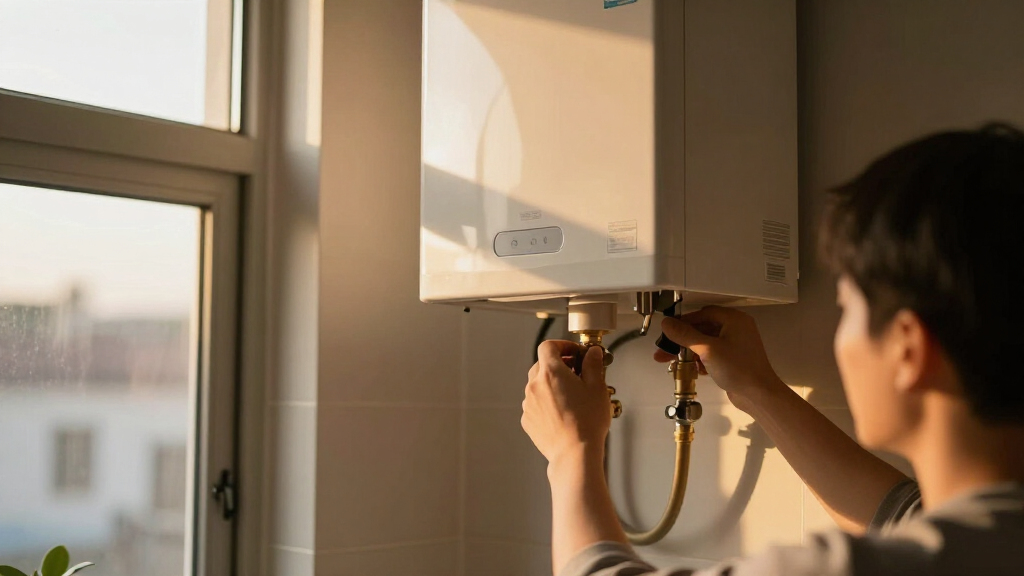
Installation complexity varies significantly among models. Some units are designed for straightforward wall mounting, while others require more extensive venting, clearance, or even professional plumbing upgrades. Measure your available space carefully to ensure the unit fits and can be vented properly. Consider future maintenance access—units placed in hard-to-reach areas can increase service costs. Balancing ease of installation with your household needs and space constraints prevents costly adjustments later.Smart Features and Warranty
Higher-end models often include smart controls, remote monitoring, and diagnostic features that simplify operation and maintenance. Longer warranties provide peace of mind, especially for premium units, but may come with higher initial prices. Evaluate whether these extras align with your comfort level and how much value they add relative to the cost. Remember, investing in a trusted brand with good customer support can save time and money in the long run.Frequently Asked Questions
Can a condensing tankless water heater handle multiple fixtures simultaneously?
Yes, most condensing tankless water heaters are designed to supply hot water to multiple fixtures at once, provided their GPM rating matches your household’s peak demand. For instance, a model rated at 7 GPM can typically support two showers and a faucet running simultaneously without losing temperature. It’s essential to accurately estimate your household’s maximum hot water needs to select a unit with sufficient capacity. Overestimating can lead to unnecessary expenses, while underestimating risks inadequate hot water during peak usage.Are condensing tankless water heaters more expensive to install than non-condensing models?
Generally, condensing models can require more complex venting and sometimes additional condensate drainage, which can increase installation costs. However, their higher efficiency can lead to lower operating expenses over time. The initial investment might be higher, especially for larger or more advanced units, but many find the long-term savings offset the upfront costs. Working with a qualified installer ensures proper setup, which is crucial for performance and safety.How long do condensing tankless water heaters typically last?
Most condensing tankless water heaters have a lifespan of about 20 years with proper maintenance, making them a long-term investment. Regular servicing, such as flushing out mineral buildup and checking venting, extends their operational life. Higher-quality brands and models with better build materials tend to last longer and provide more consistent performance over the years. Planning for routine maintenance ensures maximum durability and efficiency.Is a condensing tankless water heater suitable for cold climates?
Yes, condensing tankless water heaters are well-suited for cold climates, especially models designed for outdoor or harsh conditions. They typically include freeze protection features that prevent damage during winter. Proper installation, including insulated venting and placement away from freezing temperatures, is essential to ensure reliable operation. Choosing a model rated for outdoor use can minimize the risk of freezing-related issues in colder regions.What is the typical energy savings with a condensing tankless water heater?
Condensing tankless water heaters are among the most efficient water heating options, often reducing energy consumption by 20-30% compared to traditional units. Their ability to recover quickly and operate at high efficiency means lower utility bills over time. While the savings depend on usage patterns and local energy costs, investing in a high-efficiency model generally pays off through reduced operational expenses, especially in high-demand households.Conclusion
For a single homeowner or small family, the Rinnai RU160iN offers excellent reliability and advanced features at a reasonable price, making it the best overall choice. Larger households or those seeking maximum capacity might prefer the Rheem RTGH Series 9.0 GPM for its higher flow rate and efficiency. Budget-conscious buyers will find the ThermoMate Propane Model provides solid performance without breaking the bank. For those prioritizing ease of installation and smart controls, premium models like the Rinnai RXP160iN are ideal. Matching your specific household size, fuel source, and budget will help determine the best condensing tankless water heater for your home.
As an affiliate, we earn on qualifying purchases.Fall Picks
fall essentials