Choosing the right energy recovery ventilator (ERV) for a basement involves balancing efficiency, ease of installation, noise levels, and control options. For 2026, I’ve narrowed down five standout models, each with unique strengths. The Wi-Fi-Enabled Pioneer 50 offers excellent energy recovery and smart control, making it ideal for tech-savvy homeowners. The Panasonic FV-12ESC1 stands out for its high airflow capacity and flexible installation, suited for larger or more demanding spaces. Meanwhile, the Pioneer ECOasis 150 delivers advanced filtration and quiet operation for smaller rooms up to 500 sq. ft. For those seeking easy installation on walls or ceilings, the Panasonic WhisperComfort 60 provides balanced ventilation with manual controls. Lastly, the Broan B210E75RS is designed for larger homes, with smart diagnostics and reliable airflow. Each choice involves tradeoffs: some excel in smart features but require professional setup, while others prioritize simplicity but may lack advanced controls.
Key Takeaways
- The Pioneer ERV-50 offers high energy recovery with Wi-Fi control but requires wall installation and has limited airflow capacity.
- Panasonic FV-12ESC1 provides high airflow and flexible mounting options, though it may need professional installation.
- Pioneer ECOasis 150 excels in filtration and quiet operation but is best suited for smaller spaces up to 500 sq. ft.
- Panasonic WhisperComfort 60 is very easy to install and adjust, but limited to indoor use and basic controls.
- Broan B210E75RS is ideal for larger homes with its high capacity and diagnostic features, though it lacks smart automation.
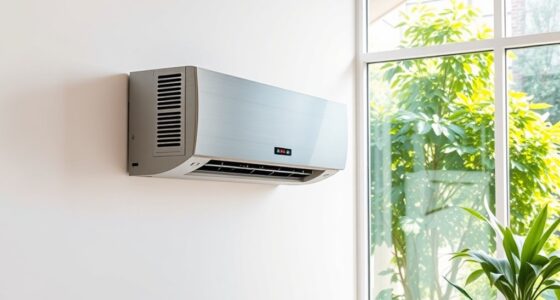
| Wi-Fi-Enabled Pioneer 50 Single-Room Wall-Mounted Energy Recovery Ventilator |  | Best Overall for Tech-Savvy Homeowners | Power Supply: 110-240 VAC, 50-60 Hz | Dimensions (WDH): 9-3/8″ x 19-5/8″ x 10-1/8″ | Weight: 11 lbs | VIEW ON AMAZON | See Our Full Breakdown |
| Panasonic FV-12ESC1 Intelli-Balance Elite Plus ERV, 120 CFM |  | Best for Larger or Demanding Spaces | Power Source: AC/DC | Room Type: Bathroom, Indoor | Special Features: Manual, Adjustable speeds | VIEW ON AMAZON | See Our Full Breakdown |
| Pioneer ECOasis 150 Ductless Wall-Mounted Wi-Fi ERV |  | Best for Small Rooms Up to 500 sq. ft. | Coverage Area: up to 500 sq. ft. | Filtration: HEPA & Activated Charcoal | Energy Efficiency: 82% heat exchanger efficiency | VIEW ON AMAZON | See Our Full Breakdown |
| Panasonic WhisperComfort 60 ERV, Wall/Ceiling Mount Exhaust Fan | 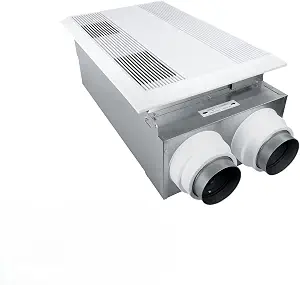 | Best for Easy Installation and Balanced Ventilation | Power Source: Corded Electric | Room Type: Bathroom, Garage, Laundry, Living Room | Special Features: Manual, Selectable CFM | VIEW ON AMAZON | See Our Full Breakdown |
| Broan B210E75RS AI Series 210 CFM ERV |  | Best for Larger Homes and Smart Diagnostics | Airflow: 210 CFM | Filtration Level: MERV 8 | Warranty: 10 Years (Core), 5 Years (Parts) | VIEW ON AMAZON | See Our Full Breakdown |
More Details on Our Top Picks
Wi-Fi-Enabled Pioneer 50 Single-Room Wall-Mounted Energy Recovery Ventilator
The Pioneer ERV-50 stands out for its combination of high energy recovery efficiency and smart features. Its 97% heat recovery capability reduces energy costs, making it ideal for those seeking long-term savings. The Wi-Fi control, accessible via smartphone app, allows remote operation and monitoring, adding convenience for busy households. Silent operation enhances its suitability for bedrooms or living areas. However, the requirement for wall installation can be a challenge for DIYers, and its airflow capacity may not satisfy larger basement spaces. Still, for smaller or medium-sized rooms where efficiency and smart control matter most, this model offers a compelling package.
Pros:- High heat recovery efficiency of 97%
- Wi-Fi control for remote management
- Silent operation with low noise levels
- Washable filters for low maintenance
Cons:- Requires wall installation, which may be complex
- Limited airflow capacity for large spaces
- Higher initial cost compared to basic systems
Best for: Homeowners wanting high efficiency and smart control in a compact, wall-mounted unit.
Not ideal for: Larger basements or DIY installers uncomfortable with wall modifications.
- Power Supply:110-240 VAC, 50-60 Hz
- Dimensions (WDH):9-3/8″ x 19-5/8″ x 10-1/8″
- Weight:11 lbs
- Airflow (F7 Filter):11.8 / 23.5 / 29.4 / 35.3 CFM
- In-Wall Channel Span:11″ ~ 18-1/2″
- Water-Resistance Rating:IPX4
- Diameter of Air Duct:6-1/4″
- Input Power:6 / 7 / 8 W
- Control Method:Smartphone App, onboard, remote
Our verdict“A smart, efficient choice for small to medium basements where energy savings and remote control are priorities.”
Panasonic FV-12ESC1 Intelli-Balance Elite Plus ERV, 120 CFM
The Panasonic FV-12ESC1 offers a robust 120 CFM airflow, suitable for larger basements or spaces requiring higher ventilation rates. Its SmartFlow ECM motors deliver quiet, adjustable operation, making it a flexible choice for homeowners who value custom airflow control. The unit’s high-efficiency MERV 13 filters help improve indoor air quality, especially in areas prone to dust or allergens. Installation complexity, however, can be a concern; professional setup might be necessary, and additional filters or accessories could add to costs. Still, its high airflow capacity and versatile mounting options make it well-suited for more demanding basement environments or homes with specific ventilation needs.
Pros:- High airflow capacity of 120 CFM
- Quiet, adjustable operation via ECM motors
- High-efficiency MERV 13 filters
- Flexible mounting options
Cons:- Installation may require professional help
- Additional costs for filters and accessories
- Limited details on warranty coverage
Best for: Larger basements or homeowners prioritizing high airflow and flexible installation.
Not ideal for: DIYers seeking a simple, plug-and-play solution or tight budgets.
- Power Source:AC/DC
- Room Type:Bathroom, Indoor
- Special Features:Manual, Adjustable speeds
- Air Flow Capacity:120 cfm
- Control Method:Touch
- Motor Type:Brushless
Our verdict“Ideal for bigger spaces needing high airflow with customizable control, but best installed by professionals.”
Pioneer ECOasis 150 Ductless Wall-Mounted Wi-Fi ERV
The Pioneer ECOasis 150 combines advanced air purification with energy-efficient heat recovery, making it a smart choice for smaller basement rooms or individual zones. Its 4-stage filtration system with HEPA and activated charcoal filters ensures high pollutant removal, while its Wi-Fi control allows remote operation. The slim design facilitates discreet installation, and its quiet operation makes it suitable for bedrooms or living spaces. The main limitation is its coverage—up to 500 sq. ft.—which restricts its use in larger areas. For smaller, highly purified environments, this model offers excellent value and performance.
Pros:- High purification efficiency with advanced filtration
- Energy-efficient heat recovery system
- Smart Wi-Fi control and remote access
- Quiet operation
Cons:- Limited to rooms up to 500 sq. ft.
- Installation can be complex for non-professionals
- Higher price compared to basic units
Best for: Smaller basement rooms or zones needing high-grade filtration and smart control.
Not ideal for: Large basement areas or homes requiring high airflow capacity.
- Coverage Area:up to 500 sq. ft.
- Filtration:HEPA & Activated Charcoal
- Energy Efficiency:82% heat exchanger efficiency
- Power Consumption:35W
- Noise Level:23 to 37.9 dB
- Control:Wi-Fi, touchscreen, remote
Our verdict“Perfect for small spaces prioritizing air quality and smart features, but not suited for large basements.”
Panasonic WhisperComfort 60 ERV, Wall/Ceiling Mount Exhaust Fan
The Panasonic WhisperComfort 60 offers a straightforward, manual approach to balanced ventilation, with adjustable airflow and simple push-button controls. Its easy installation on wall or ceiling makes it suitable for homeowners who want a reliable ventilation solution without complex wiring or smart features. The unit’s energy recovery helps maintain indoor humidity levels, making it well-suited for bathrooms, laundry rooms, or small basements. The main drawback is its basic control interface and limited automation, which might not satisfy those seeking high-tech features or remote management. Nonetheless, its simplicity and efficiency make it a dependable choice for many homeowners.
Pros:- Energy-efficient heat recovery
- Adjustable airflow for customization
- Easy to install on wall or ceiling
- HVI certified for energy recovery and low noise
Cons:- Limited to indoor use only
- Basic control options
- Requires hardwiring
Best for: Homeowners seeking easy-to-install, manual ventilation units for small to medium spaces.
Not ideal for: Users wanting smart controls or automated operation.
- Power Source:Corded Electric
- Room Type:Bathroom, Garage, Laundry, Living Room
- Special Features:Manual, Selectable CFM
- Air Flow Capacity:60 cfm
- Speed:60 rpm
- Materials:Aluminum
Our verdict“A practical, no-fuss solution for small spaces where simple, balanced ventilation is needed.”
Broan B210E75RS AI Series 210 CFM ERV
The Broan B210E75RS AI Series provides significant airflow—up to 210 CFM—making it ideal for larger basements or whole-home ventilation. Its VIRTUO™ technology simplifies installation with auto-balancing, and real-time diagnostics via LCD screen help maintain optimal operation. The unit’s energy-efficient ECM motors support reliable long-term use, while the reusable MERV 8 filter keeps maintenance manageable. However, the absence of automatic shutoff or timer features limits automation, and it does not carry ENERGY STAR certification, which might concern energy-conscious buyers. Still, its combination of high capacity, diagnostics, and ease of installation makes it a strong choice for larger or demanding applications.
Pros:- High airflow capacity of 210 CFM
- Auto-balancing technology for easy installation
- Real-time diagnostics via LCD
- Reliable energy-efficient motors
Cons:- No automatic shutoff or timer
- Not ENERGY STAR certified
- Limited control options without additional accessories
Best for: Large homes or basement spaces requiring high airflow and diagnostic features.
Not ideal for: Those seeking fully automated or smart home-connected systems.
- Airflow:210 CFM
- Filtration Level:MERV 8
- Warranty:10 Years (Core), 5 Years (Parts)
- Size:21 x 24.8 x 20.8 inches
- Core Efficiency:81% at 32°F
- Sensible Recovery Efficiency:81% at 32°F
Our verdict“A powerful, easy-to-install solution for large spaces that benefits from diagnostics and high airflow capacity.”
How We Picked
Our selection process focused on models specifically designed for basement or indoor room ventilation, emphasizing energy efficiency, ease of installation, noise levels, and control features. We examined technical specs, user feedback, and manufacturer reputation to identify units that balance performance with practical considerations. Priority was given to systems that cater to various space sizes, from small rooms to large areas, and that offer smart or manual controls suitable for different homeowner needs. Cost, maintenance, and long-term reliability also influenced our choices, aiming to present options for a range of budgets and expertise levels.
Factors to Consider When Choosing Erv For Basements
Selecting the right ERV for a basement involves understanding your space size, airflow needs, installation preferences, and desired controls. Smaller rooms benefit from compact, smart options with quiet operation, while larger spaces demand higher airflow and potentially more complex setups. Ease of installation varies, with wall-mounted units suitable for DIYers or professionals, and some models requiring hardwiring or professional help. Cost considerations include initial investment, ongoing maintenance, and energy savings. Prioritize features that match your comfort, air quality, and budget goals to find the best fit for your basement environment.
Size and Capacity
Matching the ERV’s airflow capacity to your basement’s size is essential. Smaller units (under 100 CFM) work well for confined spaces up to 500 sq. ft., while larger models (above 200 CFM) are better for expansive areas or whole-home ventilation. Oversizing can lead to unnecessary energy use, while undersized units may not adequately improve air quality. Keep in mind that airflow needs depend on your occupancy, moisture levels, and existing ventilation.
Installation and Maintenance
Ease of installation varies significantly. Wall-mounted units like Pioneer ERV-50 and Panasonic WhisperComfort are straightforward but may require some wall modifications. Larger systems like Broan B210E75RS might need professional setup, especially if ductwork is involved. Maintenance considerations include filter replacement, which should be simple and infrequent. Look for models with washable or reusable filters to reduce ongoing costs and effort.
Control Features and Noise
Smart controls such as Wi-Fi connectivity, remote access, and adjustable settings enhance user convenience, especially in a basement where monitoring air quality can be challenging. Quiet operation is also key; models like Pioneer ECOasis 150 and Panasonic FV-12ESC1 prioritize low noise levels, making them suitable for living or sleeping areas. Basic manual units are often less expensive but lack automation or remote management, which might be a drawback if you want more control.
Energy Efficiency and Cost
Energy recovery efficiency directly impacts running costs. Units with heat exchangers, like Pioneer ERV-50 and Broan B210E75RS, help reduce heating and cooling expenses. While initial costs vary, investing in energy-efficient models can lead to savings over time. Consider the balance between upfront price, features, and ongoing energy consumption to identify the most economical choice for your basement.
Frequently Asked Questions
What is an energy recovery ventilator (ERV), and how does it benefit my basement?
An ERV is a ventilation system that exchanges stale indoor air with fresh outdoor air while capturing and reusing heat or cooling energy. For basements, this means improved air quality, reduced humidity, and lower energy bills by maintaining temperature balance. It helps prevent mold growth and indoor pollutants, creating a healthier environment.
Do I need professional installation for an ERV in my basement?
Many ERVs, especially larger or ducted models like Broan B210E75RS or Panasonic FV-12ESC1, benefit from professional installation due to electrical wiring, ductwork, and precise placement requirements. However, some wall-mounted units like Pioneer ECOasis 150 are designed for easier DIY setup, though careful attention to instructions is still recommended. Consider your comfort with electrical work and modifications before deciding.
What features should I prioritize for a basement ERV?
Key features include appropriate airflow capacity for your space size, energy recovery efficiency to save on heating and cooling costs, quiet operation for comfort, and ease of maintenance. Smart controls like Wi-Fi connectivity are beneficial if you want remote monitoring and operation, but basic manual controls may suffice for smaller or less-used areas.
How important is filtration in an ERV for basements?
Filtration is vital for removing dust, allergens, and pollutants, especially in basements prone to moisture and mold. High-quality filters like MERV 13 or HEPA provide better air purification, but may require more frequent replacement or higher initial investment. Reusable or washable filters can reduce ongoing costs, making maintenance more manageable over time.
What is the typical lifespan of an ERV, and how do I maintain it?
Most ERVs last between 10 to 15 years with proper maintenance. Regular filter replacement or cleaning is essential to maintain efficiency and air quality. Keep an eye on operational diagnostics if available, and ensure the unit is free of dust and debris. Proper installation and periodic inspections can extend its lifespan and ensure consistent performance.
Conclusion
If you prioritize energy efficiency, smart features, and a sleek design, the Pioneer ERV-50 makes a strong case for small to medium basements. For larger spaces or homes needing high airflow, the Broan B210E75RS offers robust performance with diagnostic capabilities. Homeowners who want simple, manual operation and easy installation should consider the Panasonic WhisperComfort 60. Those with smaller rooms and high filtration needs will find the Pioneer ECOasis 150 ideal, while professionals or larger homes may lean toward the Panasonic FV-12ESC1 for its flexible mounting and high capacity. Carefully match your space, budget, and control preferences to select the best ERV for your basement in 2026.