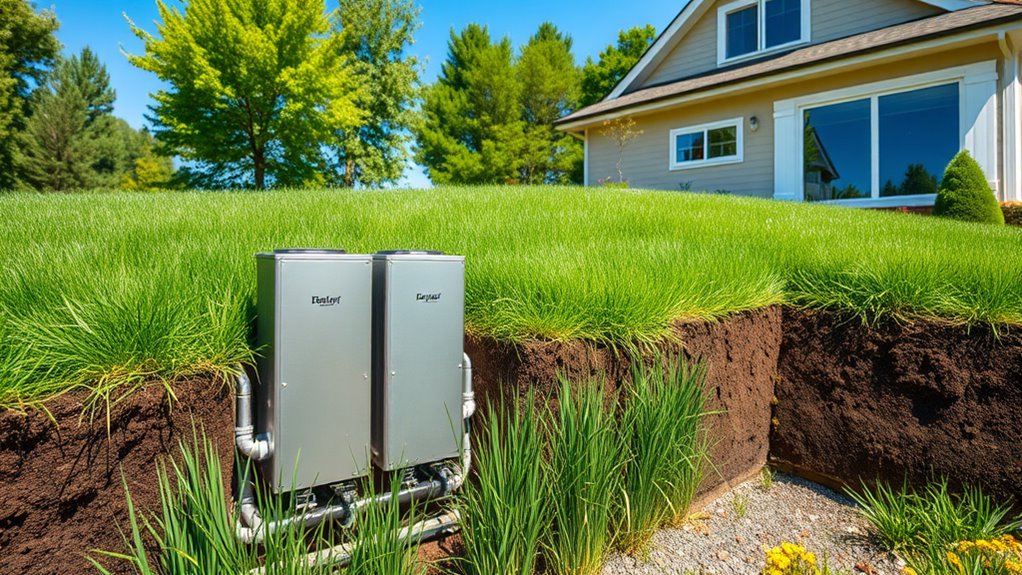
Geothermal heat pump systems offer an environmentally friendly and cost-effective way to heat and cool homes by leveraging Earth’s stable underground temperatures. The best overall pick, RunTru by Trane 3.5 Ton Heat Pump System, combines efficiency with reliable performance. For those prioritizing energy savings, the MrCool SEER2 VERSAPRO stands out for its high SEER ratings. Meanwhile, budget-conscious buyers should consider the 1.5 to 2 Ton Horizontal Ground Loop Kit for straightforward installation and affordability. However, tradeoffs often involve upfront costs versus long-term savings, ease of installation versus system capacity, and maintenance requirements. Continue reading for a detailed breakdown of these top choices and what to consider before buying.

Get backup power and energy gear delivered free — and shop member deals
- Fast, free delivery on millions of items
- Access to Prime Big Deal Days deals on October 6–7
- Prime Video, Amazon Music and more included
Key Takeaways
- Top-performing systems balance efficiency ratings with installation complexity and cost.
- The best overall picks tend to have a proven track record for durability and energy savings.
- Budget options often involve simpler installation but may lack advanced features found in premium models.
- System capacity must match home size to avoid over- or under-heating issues, affecting long-term reliability.
- Ease of maintenance and warranty coverage are key factors that distinguish premium options from basic models.
| Fundamentals of Geothermal Heat Pump Systems: Design and Application |  | Best for Professionals and Engineers | VIEW ON AMAZON | See Our Full Breakdown | |||
| Geothermal Heat Pumps: A Guide for Planning and Installing |  | Best for Beginners and DIY Enthusiasts | VIEW ON AMAZON | See Our Full Breakdown | |||
| 1.5 to 2 Ton Horizontal Ground Loop Geothermal Installation Kit |  | Best for Professional Installers of Small to Medium Systems | Capacity: 1.5 to 2 Ton | Includes: 2 loop pipes, 1 insulated header, 1 Flow Center, 1 hose kit, 5 gallon transfer fluid | Shipping Details: Ships on two pallets | VIEW ON AMAZON | See Our Full Breakdown |
| Goodman 2 Ton 14 Seer Heat Pump System with Multi-Position Air Handler |  | Best for Homeowners Seeking Ready-to-Install HVAC System | Cooling Power: 24000 BTU | Capacity: 2 tons | SEER: 14 | VIEW ON AMAZON | See Our Full Breakdown |
| The Smart Guide to Geothermal: How to Harvest Earth’s Free Energy for Heating and Cooling |  | Best for Homeowners and Enthusiasts Interested in Renewable Energy | VIEW ON AMAZON | See Our Full Breakdown | |||
| RunTru by Trane 3.5 Ton Heat Pump System Condenser, Air Handler, Heat Strip | 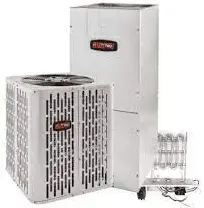 | Best Compact Unit for Tight Spaces | Cooling Power: 42,000 BTU | Capacity: 3.5 Tons | Refrigerant: R 410A | VIEW ON AMAZON | See Our Full Breakdown |
| Geothermal Heat Pumps for Residential Retrofits |  | Best for Upgrading Existing Homes | VIEW ON AMAZON | See Our Full Breakdown | |||
| Geothermal Heat Pump Systems |  | Best Eco-Friendly Solution for Sustainability | VIEW ON AMAZON | See Our Full Breakdown | |||
| MrCool SEER2 VERSAPRO Central Ducted Split System |  | Best High-Efficiency Ducted System | Cooling Power: 2.5 Tons | SEER: 17 | Refrigerant: R-454B | VIEW ON AMAZON | See Our Full Breakdown |
| Geo Power: Stay Warm, Keep Cool and Save Money with Geothermal Heating & Cooling |  | Best Informational Resource | VIEW ON AMAZON | See Our Full Breakdown | |||
| Geothermal Heat Pump and Heat Engine Systems: Theory and Practice |  | Best for Technical Deep Dive | Focus Area: Theoretical and practical geothermal systems | Intended Audience: Engineers and advanced students | Coverage: Design, operation, and efficiency analysis | VIEW ON AMAZON | See Our Full Breakdown |
| Geothermal Heat Pumps: What You Need to Know Before You Buy |  | Best for Homeowners Considering an Upgrade | Focus: Consumer guidance on geothermal heat pumps | Cost considerations: High upfront investment, long-term savings | Installation complexity: Requires professional installation | VIEW ON AMAZON | See Our Full Breakdown |
More Details on Our Top Picks
Fundamentals of Geothermal Heat Pump Systems: Design and Application
This book stands out for providing a thorough technical overview of geothermal heat pump systems, especially emphasizing their design principles and energy management strategies. Compared to practical guides like Geothermal Heat Pumps: A Guide for Planning and Installing, it offers deeper insights into system engineering rather than installation steps. This resource is ideal for engineers or energy managers seeking to understand the core concepts and sustainability aspects, but it lacks practical implementation details that a homeowner might need. The absence of customer reviews and specific product specifications makes it less useful for those looking for actionable advice. Tradeoffs include its focus on theory over hands-on applications, making it less suitable for DIY enthusiasts or installers.
Pros:- Provides detailed insights into system design and energy management
- Focuses on sustainable energy solutions suitable for professional contexts
- Ideal for technical learning and advanced applications
Cons:- No practical installation advice or step-by-step guidance
- Lacks customer reviews or real-world case studies
- Limited focus on implementation details
Best for: Energy professionals, engineers, or students aiming to deepen their technical understanding of geothermal systems.
Not ideal for: Homeowners or DIY installers seeking step-by-step guidance on installation or practical setup.
Our verdict“This book is best suited for technical professionals and engineers interested in the design and sustainability aspects of geothermal heat pumps.”
Geothermal Heat Pumps: A Guide for Planning and Installing
This guide offers comprehensive instructions on planning and installing geothermal systems, making it a strong choice for homeowners or contractors new to geothermal heat pumps. Unlike the technical focus of Fundamentals of Geothermal Heat Pump Systems, it emphasizes practical steps, considerations, and best practices, which can help ensure successful system operation. While it doesn’t provide technical specifications or detailed product data, its practical approach makes it a valuable resource for those tackling installation projects. However, since it is a book, it lacks the physical components or technical specs that professionals might need for detailed design. Tradeoffs include its limited scope on technical engineering details, making it less suitable for advanced system design.
Pros:- Provides clear, step-by-step planning and installation guidance
- Accessible for beginners and useful for experienced installers
- Covers best practices and considerations for successful installation
Cons:- Limited technical specifications or detailed engineering data
- Focuses on informational content rather than physical products
- No practical hands-on or troubleshooting tips
Best for: Homeowners, DIY installers, and small contractors planning their geothermal system setup.
Not ideal for: Professional engineers needing detailed technical design information or specifications.
Our verdict“This guide is ideal for homeowners and new installers seeking a comprehensive, easy-to-follow planning resource for geothermal systems.”
1.5 to 2 Ton Horizontal Ground Loop Geothermal Installation Kit
This complete installation kit simplifies the setup of 1.5 to 2-ton geothermal systems, offering all necessary components like loop pipes, header, flow center, and transfer fluid. Compared with the more conceptual resources like The Smart Guide to Geothermal, this kit provides tangible hardware for actual system deployment, but it requires a licensed professional for installation, and the heavy shipment on two pallets adds logistical considerations. The included transfer fluid and accessories streamline the process, yet the lack of detailed installation instructions could pose challenges for less experienced installers. Tradeoffs involve the need for professional installation and shipment logistics, making it more suitable for qualified contractors than DIY homeowners.
Pros:- Includes all essential components for a 1.5 to 2-ton system
- Comprehensive kit with transfer fluid and accessories
- Designed for reliable, professional-grade installation
Cons:- Requires licensed professional for installation
- Heavy shipment complicates logistics
- Limited detailed instructions included
Best for: Licensed geothermal installers or contractors working on small to medium residential systems.
Not ideal for: Homeowners wanting to install the system themselves without professional help.
- Capacity:1.5 to 2 Ton
- Includes:2 loop pipes, 1 insulated header, 1 Flow Center, 1 hose kit, 5 gallon transfer fluid
- Shipping Details:Ships on two pallets
Our verdict“This kit is best suited for professional installers seeking a complete, reliable package for small to medium geothermal systems.”
Goodman 2 Ton 14 Seer Heat Pump System with Multi-Position Air Handler
This Goodman heat pump system offers a practical solution for residential heating and cooling, combining a 2-ton, 14 SEER heat pump with a multi-position air handler for flexible installation. Compared to purely educational resources, it provides a tangible product that can be installed directly, though it may require additional components like heat kits for colder climates. The system’s durability, corrosion-resistant components, and warranty make it a solid choice for those prioritizing long-term performance. However, the noise level of 74 dB and the need to purchase separate accessories can be drawbacks. Its strength lies in delivering reliable, ready-to-install comfort, but it isn’t the most energy-efficient model available.
Pros:- High efficiency with 14 SEER rating
- Durable, corrosion-resistant construction
- Flexible multi-position air handler for installation versatility
- Includes 10-year parts warranty
Cons:- Requires additional heat kit for cold climates
- Noise level of 74 dB might be noticeable
- Some accessories must be purchased separately
Best for: Homeowners needing a dependable, easy-to-install HVAC system with moderate efficiency.
Not ideal for: Energy-conscious buyers seeking the highest SEER ratings or those in extremely cold climates without additional heating kits.
- Cooling Power:24000 BTU
- Capacity:2 tons
- SEER:14
- Refrigerant:R-32
- Voltage:240 volts
- Wattage:1920 watts
- Noise:74 dB
- Warranty:10-year parts
Our verdict“This system is well-suited for homeowners wanting a reliable, straightforward HVAC upgrade, with some consideration for climate-specific accessories.”
The Smart Guide to Geothermal: How to Harvest Earth’s Free Energy for Heating and Cooling
This book offers practical insights into how geothermal energy works and how homeowners can harness Earth’s heat for sustainable heating and cooling. Unlike the technical depth of Fundamentals of Geothermal Heat Pump Systems, it emphasizes the use of renewable energy principles and cost-effective solutions, making it appealing to environmentally conscious readers. While it provides a broad overview and some guidance, it lacks detailed technical specifications or step-by-step installation instructions, limiting its usefulness for installers or those seeking precise technical data. The absence of customer reviews also makes it harder to gauge real-world effectiveness. Tradeoffs involve its focus on concept over detailed technical guidance, which might leave some readers wanting more actionable information.
Pros:- Provides practical insights into geothermal energy use
- Accessible for homeowners interested in renewable solutions
- Focuses on cost-effective, sustainable heating and cooling
Cons:- Lacks detailed technical specifications
- No customer reviews or detailed case studies
- Limited guidance on actual installation procedures
Best for: Homeowners interested in understanding geothermal energy and exploring renewable heating options.
Not ideal for: Professional installers or technical engineers seeking detailed system design or specifications.
Our verdict“This guide is best for environmentally minded homeowners exploring geothermal energy as a renewable, cost-effective option, but not for technical professionals seeking detailed specs.”
RunTru by Trane 3.5 Ton Heat Pump System Condenser, Air Handler, Heat Strip
This system excels in tight installations thanks to its compact design and all-aluminum coils, making it a practical choice for homeowners with limited space. Compared to the Geothermal Heat Pumps for Residential Retrofits, it offers easier installation and immediate usability, though it sacrifices some energy efficiency due to its 1-star BEE rating. The quiet operation at 74 dB is a plus, but in very quiet environments, it might still be noticeable. Its all-in-one setup simplifies installation, but the lower efficiency and higher noise may lead to higher utility costs over time. This option makes sense for those prioritizing space and quick installation over long-term energy savings.
Pros:- Durable all-aluminum coils for longevity
- Compact size ideal for tight spaces
- Includes both condenser and air handler for comprehensive climate control
Cons:- Limited to a 1-star BEE rating, indicating lower energy efficiency
- Noise level of 74 dB may be noticeable in quiet settings
- Requires professional installation and electrical hookup
Best for: Homeowners needing a space-efficient, reliable heating and cooling solution for small or constrained areas
Not ideal for: Energy-conscious buyers seeking the most efficient systems, as this unit has a low SEER rating and higher operating noise
- Cooling Power:42,000 BTU
- Capacity:3.5 Tons
- Refrigerant:R 410A
- Noise Level:74 dB
- Power Voltage:220 volts
- Wattage:220 watts
- SEER:13
- Installation Type:Split System
- Core Material:Aluminum Alloy
Our verdict“Best suited for homeowners who need a space-saving, straightforward HVAC upgrade, accepting moderate energy efficiency.”
Geothermal Heat Pumps for Residential Retrofits
This product is tailored for homeowners seeking to retrofit their houses with geothermal technology, providing a significant step up in energy efficiency compared to traditional systems. It compares favorably to the Geo Power book as a practical, installed solution rather than just informational, but the installation process can be complex and costly. While initial setup expenses are high, the energy savings and environmental benefits tend to offset these over time. It’s an ideal choice for those willing to invest in sustainable upgrades, though it’s not suitable for DIY installation or budget-constrained projects.
Pros:- Energy-efficient heating and cooling
- Ideal for retrofitting older homes
- Environmentally friendly technology
Cons:- Installation requires professional assistance and can be complex
- High upfront costs may deter budget-conscious buyers
Best for: Homeowners with existing properties looking to implement geothermal heating and cooling to reduce energy costs
Not ideal for: New construction projects or those with limited budget, due to high initial installation costs
Our verdict“A smart upgrade for homeowners committed to sustainability and long-term savings, despite higher initial investment.”
Geothermal Heat Pump Systems
Designed for both residential and commercial applications, this geothermal system emphasizes sustainability by harnessing renewable earth energy. It surpasses traditional HVAC options in energy efficiency, but the lack of detailed specifications can make comparison challenging for buyers. Installation is typically professional, adding to initial costs. Compared to the MrCool VERSAPRO, it offers broader application scope but may lack the advanced smart features. This system suits those prioritizing environmental impact and long-term savings over immediate detailed technical data.
Pros:- Eco-friendly and energy-efficient
- Utilizes renewable geothermal energy
- Suitable for both residential and commercial use
Cons:- Limited details on specifications
- Installation often requires professional setup
Not ideal for: Buyers seeking plug-and-play solutions or detailed technical specifications upfront
Our verdict“Ideal for environmentally conscious users aiming for a sustainable heating and cooling system with broad application potential.”
MrCool SEER2 VERSAPRO Central Ducted Split System
The MrCool VERSAPRO stands out with its high 17 SEER rating and inverter technology, making it a strong choice for whole-house cooling with low energy costs. Compared to the RunTru system, it offers superior efficiency and quieter operation at just 43 dB, plus smart features like maintenance alerts. However, its complexity and higher price point limit its appeal for budget-conscious or smaller-scale projects. It’s best for those seeking advanced features and energy savings in a ducted configuration, but not for large commercial spaces or DIY setups.
Pros:- High 17 SEER efficiency rating
- Quiet operation at 43 dB
- Smart thermostat compatibility and diagnostics
Cons:- Higher upfront cost due to advanced features
- Requires professional installation
Best for: Homeowners or small businesses wanting a highly efficient, smart, ducted cooling system for the entire house
Not ideal for: DIY enthusiasts or those with limited budgets, as professional installation and higher cost are necessary
- Cooling Power:2.5 Tons
- SEER:17
- Refrigerant:R-454B
- Noise:43 dB
- Power Voltage:240 volts
- Wattage:480 watts
- Room Type:Whole House
- Installation Type:Split System
- Color:White
Our verdict“An excellent choice for users prioritizing energy efficiency, smart features, and quiet operation in a ducted system.”
Geo Power: Stay Warm, Keep Cool and Save Money with Geothermal Heating & Cooling
This book offers valuable insights into the benefits and practical aspects of geothermal systems, making it a helpful resource for those considering a geothermal upgrade. Unlike the physical systems reviewed here, it excels in providing context, cost-saving strategies, and detailed explanations that can guide decision-making. However, it lacks technical specifications or installation guidance for specific products, which limits its utility for immediate purchasing decisions. It’s a good starting point for understanding how geothermal energy can fit into long-term home comfort and savings plans.
Pros:- Comprehensive overview of geothermal benefits
- Helps homeowners understand cost savings
- Eco-friendly and sustainable focus
Cons:- No specific product details or technical specs
- Primarily informational, not a practical purchase guide
Not ideal for: Buyers seeking immediate product details or installation options, as it is purely informational
Our verdict“A valuable educational resource for those exploring geothermal energy, but not a substitute for technical or product-specific guidance.”
Geothermal Heat Pump and Heat Engine Systems: Theory and Practice
This book stands out for its comprehensive coverage of geothermal systems, making it ideal for engineers and students seeking a detailed understanding of both theoretical principles and practical applications. Compared with more consumer-focused guides like “Geothermal Heat Pumps: What You Need to Know Before You Buy,” this resource dives into complex concepts, which can be overwhelming for casual readers but invaluable for technical professionals. Its in-depth approach ensures a solid grasp of system design, efficiency, and engineering challenges, though it lacks accessible language for beginners and doesn’t offer pricing or real-world user feedback. The content’s technical depth makes it a worthwhile resource for those involved in system design or advanced study, rather than homeowners or small-scale users.
Pros:- Extensive coverage of geothermal theory and engineering practices
- Bridges the gap between academic concepts and real-world applications
- Ideal for technical readers seeking detailed system insights
Cons:- No consumer-oriented guidance or practical installation tips
- Content may be too technical for casual or non-engineering readers
Best for: Engineering students or professional engineers designing or studying geothermal systems.
Not ideal for: Homeowners seeking straightforward installation advice or quick cost estimates, as the content is highly technical.
- Focus Area:Theoretical and practical geothermal systems
- Intended Audience:Engineers and advanced students
- Coverage:Design, operation, and efficiency analysis
Our verdict“This book is best suited for professionals or students who need a detailed, technical understanding of geothermal heat pump and heat engine systems.”
Geothermal Heat Pumps: What You Need to Know Before You Buy
This guide provides clear, straightforward information about the benefits and considerations of geothermal heat pumps, making it a valuable starting point for homeowners thinking about switching to renewable heating and cooling. Compared with the more technical “Geothermal Heat Pump and Heat Engine Systems,” this resource emphasizes practical aspects like installation considerations, costs, and energy savings, helping consumers assess if their home is suitable. However, its discussion of the high initial costs and complex installation process highlights the tradeoff between long-term savings and upfront investment. While it doesn’t delve into engineering details, it effectively helps buyers determine if geothermal systems align with their energy goals and budget constraints.
Pros:- Simplifies complex concepts for general audiences
- Highlights energy efficiency and environmental benefits
- Provides practical guidance on costs and installation factors
Cons:- High initial installation costs may deter budget-conscious buyers
- Complex installation process can be a barrier for DIY enthusiasts or small contractors
Best for: Homeowners interested in understanding the basics of geothermal heat pumps and evaluating their suitability.
Not ideal for: Professional installers or engineers seeking detailed technical specifications or advanced system design information, as it focuses mainly on consumer insights.
- Focus:Consumer guidance on geothermal heat pumps
- Cost considerations:High upfront investment, long-term savings
- Installation complexity:Requires professional installation
Our verdict“This guide is most helpful for homeowners weighing the benefits of geothermal systems against costs and installation challenges.”

How We Picked
The products in this roundup were selected based on a combination of performance metrics, user reviews, installation complexity, and value for money. Priority was given to systems with proven energy efficiency ratings, reliable build quality, and compatibility with residential settings. We also considered the availability of technical support and warranties, as these factors influence long-term satisfaction. The ranking reflects a balance between affordability and advanced features, aiming to guide buyers with different priorities — from beginners to experienced homeowners seeking premium solutions.Factors to Consider When Choosing Geothermal Heat Pump Systems
Choosing a geothermal heat pump system involves evaluating several key factors that impact performance, cost, and longevity. Understanding these considerations can help you avoid common pitfalls and select a system that best fits your home’s needs and your budget. Here are some crucial aspects to keep in mind:System Capacity and Size
Matching the system capacity to your home’s size is essential to ensure efficient heating and cooling without excessive energy use. Oversized systems can lead to short cycling, reducing efficiency and increasing wear, while undersized units struggle to maintain comfort levels. Accurate load calculations by a professional are recommended to determine the right size, which can prevent costly upgrades or repairs down the line.
Efficiency Ratings and Performance
Look for models with high SEER (Seasonal Energy Efficiency Ratio) and HSPF (Heating Seasonal Performance Factor) ratings. Higher ratings usually mean lower operating costs over time, especially in moderate to cold climates. However, the most efficient systems tend to have higher upfront prices, so balancing initial investment with long-term savings is key.
Installation Complexity and Costs
Installation involves ground loop installation, which can be horizontal, vertical, or pond/lake-based. Horizontal loops are generally less expensive but require more land, while vertical loops save space but cost more to install. Improper installation can severely impair system performance, so hiring experienced professionals is vital regardless of the chosen method.
Maintenance and Durability
Most geothermal systems are low-maintenance, but regular inspections of the ground loop and internal components help ensure longevity. Look for models with robust warranties and accessible service options. Cheaper systems may save money initially but could incur higher maintenance costs over time, impacting overall value.
Cost and Incentives
While the upfront investment for geothermal systems is higher than traditional HVAC units, many regions offer incentives, rebates, or tax credits that can significantly offset costs. Consider the payback period based on your local energy prices and available incentives, as this can influence the overall affordability of your investment.
Frequently Asked Questions
How long does a geothermal heat pump system typically last?
Geothermal heat pump systems are known for their durability, often lasting 20 to 25 years for the internal components and up to 50 years for the ground loop. Proper installation, regular maintenance, and high-quality parts can extend the lifespan and ensure consistent performance. Investing in a reputable brand with solid warranties provides additional peace of mind over the years.
Is a geothermal system suitable for all climates?
Geothermal systems are effective across a wide range of climates because they rely on Earth’s stable underground temperatures rather than outdoor air. They perform particularly well in colder regions, where traditional heat pumps struggle, and in hot climates, where cooling efficiency is critical. However, installation costs and ground loop design may vary depending on local conditions, so consulting with a professional is advisable.
What is the typical payback period for a geothermal heat pump?
The payback period depends on factors like local energy prices, system size, and available incentives, but generally ranges from 5 to 10 years. Although the initial investment is higher than conventional systems, the savings on energy bills can offset this cost over time. Careful calculation and understanding of potential rebates can help you determine if the investment makes sense for your household.
Can I install a geothermal system myself?
Installing a geothermal system requires specialized knowledge and equipment, particularly for ground loop installation. Attempting a DIY installation is not recommended, as improper setup can impair performance or cause damage. Hiring experienced professionals ensures correct installation, maximizes efficiency, and maintains warranty coverage, making it a worthwhile investment in most cases.
Are geothermal systems noisy during operation?
Compared to traditional HVAC units, geothermal heat pumps operate quietly because most of the noise comes from the internal components, which are located indoors or underground. Ground loops are silent once installed, and the indoor units produce minimal noise, making geothermal systems an attractive choice for noise-sensitive households. However, regular maintenance can help keep noise levels low and ensure smooth operation.
Conclusion
For homeowners seeking reliable, energy-efficient heating and cooling, the RunTru by Trane 3.5 Ton Heat Pump System offers a balanced mix of performance and durability, making it the best overall choice. Those prioritizing long-term savings should consider the MrCool SEER2 VERSAPRO for its high efficiency ratings, while budget-conscious buyers will find the 1.5 to 2 Ton Horizontal Ground Loop Kit provides solid value with straightforward installation. Beginners or those with smaller homes might prefer simpler, easier-to-install models, whereas large or complex residences can benefit from premium systems with advanced features. Ultimately, matching your climate, home size, and budget will help you select the ideal geothermal heat pump system.
Halloween Picks
halloween
As an affiliate, we earn on qualifying purchases.