We have found the solution for unleashing the complete capabilities of heat pumps: renewable energy.
In this article, we’ll explore the benefits of integrating renewable energy sources with heat pumps to optimize their efficiency.
From solar power to wind energy and geothermal solutions, we’ll delve into the technicalities and show you how to achieve maximum heat pump optimization.
Get ready to dive deep into the world of renewable energy and master the art of harnessing its power for ultimate efficiency.

Key Takeaways
- Renewable energy sources such as biomass, hydroelectric power, solar energy, and geothermal energy can be used to optimize heat pumps.
- Integrating solar power with heat pumps through proper placement and orientation of solar panels can increase overall efficiency and reduce reliance on grid electricity.
- Wind energy solutions, such as wind turbines, can provide a consistent and renewable power source for heat pumps, reducing reliance on traditional energy sources and decreasing carbon emissions.
- Geothermal energy, derived from the heat stored within the earth, offers a sustainable and efficient option for optimizing heat pumps through the installation of a heat exchanger.
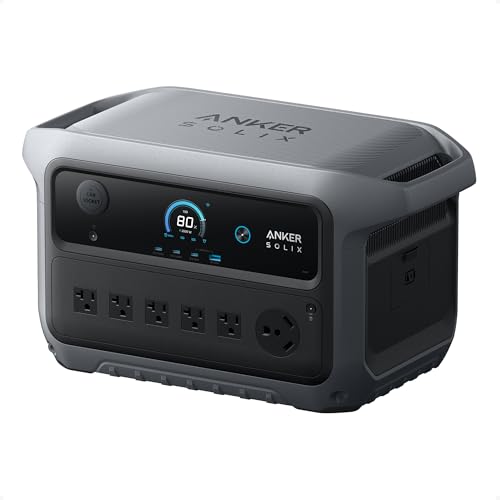
Anker SOLIX C2000 Gen 2 Portable Power Station, 2,400W (Peak 4,000W) Solar Generator, Full Charge in 58 Min, 2048wh LiFePO4 Battery for Home Backup, Power Outages, and Camping (Optional Solar Panel)
Ultra-Efficient Power for Longer Runtime: Uses only 9W on standby, powering a dual-door fridge for up to 32...
As an affiliate, we earn on qualifying purchases.
Benefits of Renewable Energy for Heat Pump Optimization
We can reap numerous benefits by incorporating renewable energy into heat pump optimization.
One of the advantages of biomass energy is its ability to provide a sustainable and carbon-neutral source of heat. Biomass, such as wood pellets or agricultural waste, can be burned to produce heat, which can then be used to power heat pumps. This not only reduces reliance on fossil fuels but also helps to mitigate climate change by reducing greenhouse gas emissions.
Another renewable energy source that plays a crucial role in heat pump optimization is hydroelectric power. By harnessing the energy of flowing water, hydroelectric power can generate electricity to power heat pumps, making them more efficient and environmentally friendly.
Incorporating these renewable energy sources into heat pump optimization can lead to significant energy savings, lower carbon emissions, and a more sustainable future.


Portable Solar Generator, 300W Portable Power Station with Foldable 60W Solar Panel,110V Pure Sine Wave 280Wh Battery Power Pack with USB DC AC Outlet for Camping Smart Devices RV Van Outdoor-Orange
Portable Generator with 60W Solar Panel Included: with a big battery pack, ZeroKor 300W power stations Generator are...
As an affiliate, we earn on qualifying purchases.
Types of Renewable Energy Sources for Heat Pumps
Among the various options available, we can utilize solar and geothermal energy as renewable sources for optimizing heat pumps. Solar energy can be harnessed through solar panel installations, which capture sunlight and convert it into electricity or heat. By integrating solar panels with heat pumps, we can significantly reduce the reliance on conventional energy sources.
Geothermal energy, on the other hand, utilizes the Earth’s heat to provide heating and cooling for buildings. This renewable energy source can be tapped into through geothermal heat pumps, which transfer heat between the ground and the building. By harnessing the constant temperature of the Earth, geothermal energy can provide a reliable and sustainable source of heat for heat pumps.
In addition to solar and geothermal energy, biomass energy integration can also be considered as a renewable source for heat pump optimization. Biomass refers to organic materials such as wood, crops, and agricultural residues. By converting biomass into usable heat or electricity, it can be effectively utilized to enhance the performance of heat pumps.

EF ECOFLOW Portable Power Station DELTA 2, 1024Wh LiFePO4 (LFP) Battery, 1800W AC/100W USB-C Output, Solar Generator(Solar Panel Optional) for Home Backup Power, Camping & RVs
7 X Faster Charging. 0-80% in just 50 mins and 0-100% in 80 mins with AC input. That's...
As an affiliate, we earn on qualifying purchases.
Integrating Solar Power With Heat Pumps
By harnessing the power of solar energy, we can optimize the performance of heat pumps. Integrating solar power with heat pumps involves the installation of solar panels to generate electricity. This electricity can then be used to power the heat pump, reducing its reliance on grid electricity and increasing its overall efficiency.

Solar panel installation plays a crucial role in this process, as it determines the amount of solar energy that can be harvested. Proper placement and orientation of the solar panels are essential to maximize solar energy capture.
Additionally, solar energy efficiency is a key factor in optimizing the integration of solar power with heat pumps. This involves using advanced solar panels and inverters that can convert sunlight into usable electricity with high efficiency.

Jackery Portable Power Station Explorer 300, 292Wh Backup LiFePO4 Battery, Solar Generator for Outdoors Camping Travel Hunting Blackout (Solar Panel Optional)
Ultra-Lightweight: At only 7.5 lbs, the Explorer 300 delivers a robust 292Wh capacity while remaining 17% lighter than...
As an affiliate, we earn on qualifying purchases.
Wind Energy Solutions for Heat Pump Efficiency
Harnessing wind energy is a viable solution to improve heat pump efficiency. Integrating wind turbines with heat pump systems can provide a consistent and renewable source of power. Wind power potential varies depending on factors such as location and wind speed, making it essential to select suitable sites for wind turbine integration.
Conducting a thorough assessment of wind resources is crucial to determine the viability and potential benefits of wind energy solutions for heat pump efficiency. By utilizing wind power, heat pump systems can reduce their reliance on traditional energy sources and decrease carbon emissions. The integration of wind turbines can also help to offset the energy consumption of heat pumps, thereby increasing their overall efficiency.

Implementing wind energy solutions presents an opportunity to optimize heat pump performance and contribute to a sustainable and greener future.
Geothermal Energy: A Sustainable Option for Heat Pump Optimization
We can maximize heat pump optimization by utilizing geothermal energy, a sustainable and efficient option. Geothermal energy is derived from the heat stored within the earth, and it can be harnessed through geothermal system installation.
This involves drilling wells and installing a geothermal heat exchanger, which allows for the transfer of heat between the earth and the heat pump. The geothermal heat exchanger acts as a medium through which the heat pump can extract or release heat, depending on the heating or cooling needs of the building.
Frequently Asked Questions
What Are the Common Challenges Faced When Integrating Solar Power With Heat Pumps?
When integrating solar power with heat pumps, common challenges arise. These include optimizing solar power integration, addressing geothermal energy limitations, and ensuring efficient energy transfer. These obstacles require careful consideration to achieve optimal heat pump performance.

How Does Wind Energy Contribute to Improving Heat Pump Efficiency?
Wind energy greatly enhances heat pump efficiency by providing a reliable and abundant source of renewable power. Harnessing the benefits of wind power allows for optimal heat pump performance, leading to increased energy savings and a more sustainable future.
Are There Any Limitations or Drawbacks Associated With Using Geothermal Energy for Heat Pump Optimization?
There are limitations and drawbacks associated with using geothermal energy for heat pump optimization. These include high initial costs, limited availability of suitable sites, and potential environmental impacts such as groundwater contamination.
Can Heat Pumps Be Optimized Using Multiple Renewable Energy Sources Simultaneously?
Yes, heat pumps can be optimized using multiple renewable energy sources simultaneously to maximize efficiency and cost effectiveness. By combining geothermal, solar, and wind energy, we can achieve optimal performance and reduce reliance on traditional energy sources.
Are There Any Government Incentives or Subsidies Available for Homeowners Who Choose to Optimize Their Heat Pumps With Renewable Energy Sources?
Government incentives and subsidies are available for homeowners who optimize their heat pumps with renewable energy. These initiatives aim to encourage adoption, decrease costs, and achieve energy efficiency. They offer significant cost savings and contribute to a sustainable future.

Conclusion
In conclusion, optimizing heat pumps with renewable energy sources is a sustainable and efficient solution.
By integrating solar power, wind energy, and geothermal options, heat pump efficiency can be greatly improved. These renewable energy sources provide a reliable and environmentally-friendly alternative to traditional energy sources, ensuring a more sustainable future.
Like a well-oiled machine, the combination of renewable energy and heat pumps can work in perfect harmony, maximizing energy efficiency and reducing carbon emissions.