We’ve all experienced it – feeling the cold in our houses, turning up the heat pump, only to see our energy bills skyrocket.
But fear not, because in this article, we’re going to show you how to tackle this problem head-on.
Heat pumps may be notorious energy wasters, but with proper conservation, we can turn the tide.
From understanding efficiency ratings to exploring alternative energy sources, we’ve got you covered.
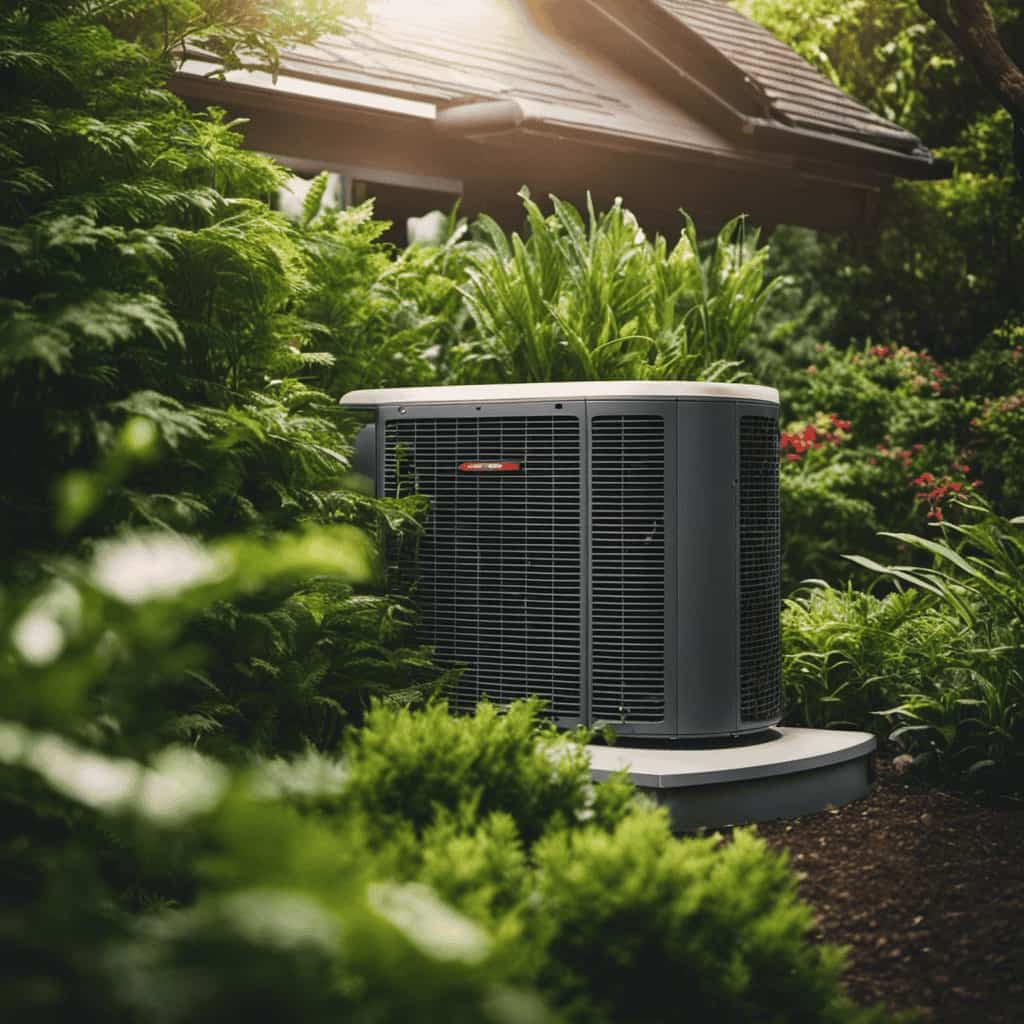
Let’s dive in and start saving!
Key Takeaways
- SEER rating measures heat pump efficiency
- Neglecting maintenance leads to decreased efficiency
- Set thermostat to recommended temperature range
- Proper insulation reduces heat transfer and energy loss

CADPXS Crawl Space Dehumidifier with Pump and Drain Hose, 80 Pint Crawlspace Dehumidifier for Commercial, Basement, Water Damage Use, Auto Defrost, Memory Start, cETL Certified, Up to 1000 Sq Ft
80 PINTS COMMERCIAL DEHUMIDIFIER: Control excess moisture efficiently with the CADPXS 80-pint crawl space dehumidifier with pump. Designed...
As an affiliate, we earn on qualifying purchases.
Understanding Heat Pump Efficiency Ratings
We need to understand the efficiency ratings of heat pumps in order to make informed decisions about their energy consumption.
Heat pump efficiency ratings are measured using a metric called the Seasonal Energy Efficiency Ratio (SEER). The SEER rating indicates how efficiently a heat pump can cool your home during the summer months. The higher the SEER rating, the more energy efficient the heat pump is. It’s important to choose a heat pump with a high SEER rating to save on energy costs.
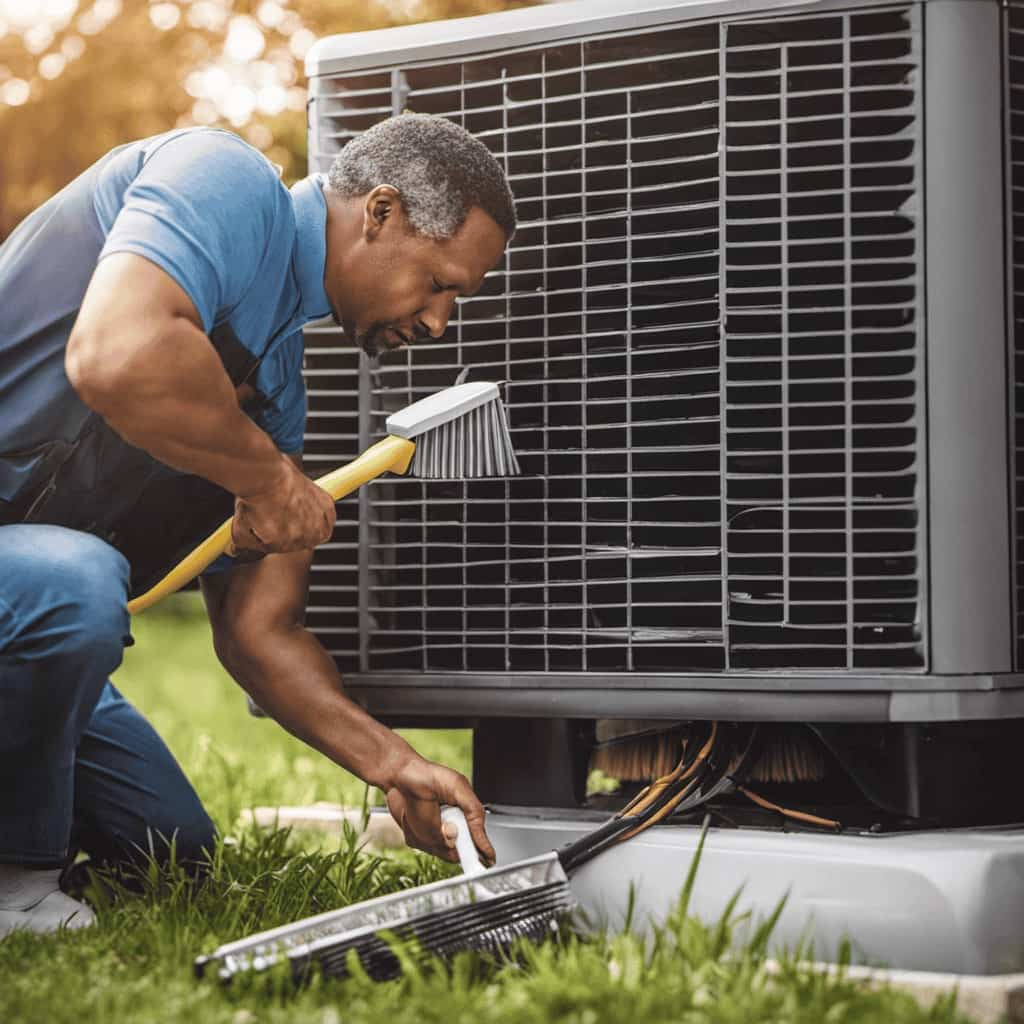
Regular maintenance is also crucial for optimal efficiency. Keeping the heat pump clean and free from debris, regularly changing air filters, and scheduling professional maintenance can improve its performance and energy efficiency.

Implementing these heat pump maintenance tips and energy saving tips for heat pumps can help reduce energy consumption and lower utility bills.

30 Pint Dehumidifier for Basement, 2500 Sq. Ft Dehumidifiers for Home with Drain Hose, 3 Modes, Smart Humidity Control, 24H Timer, 0.52 Gal Water Tank, for Whole House, Bedroom, Bathroom, Garage, Rv
Powerful 30-Pint Moisture Removal for Spaces up to 2500 Sq. Ft: High humidity can make rooms feel damp,...
As an affiliate, we earn on qualifying purchases.
Importance of Regular Heat Pump Maintenance
To ensure optimal performance and energy efficiency, it is essential to regularly maintain your heat pump by cleaning it and scheduling professional check-ups. Neglecting maintenance can lead to decreased efficiency, higher energy bills, and potential system failures. Here is a heat pump maintenance checklist to help you keep your system in top shape:
| Maintenance Task | Frequency |
|---|---|
| Clean or replace filters | Every 1-3 months |
| Check and clean outdoor unit | Annually |
| Inspect and clean indoor coil | Annually |
| Check and adjust refrigerant levels | Annually |
| Lubricate moving parts | Annually |
| Test defrost cycle | Annually |
Regular maintenance offers several benefits, especially when performed by professionals. Some benefits of professional heat pump maintenance include:
- Improved energy efficiency, leading to lower energy bills.
- Extended lifespan of the heat pump.
- Enhanced comfort with consistent heating and cooling.
- Early detection of potential issues, preventing costly repairs.
- Peace of mind knowing that your heat pump is operating safely and effectively.

Waykar 158 Pints Crawl Space Dehumidifier with Remote Control and Pump, Dual Duct HVAC Commercial Whole-House Dehumidifier for Basement, Industry Water Damage Unit - 5-Year Quality Coverage
【158 Pint Crawl Space Dehumidifier】The Waykar whole-house dehumidifier extracts up to 158 pints of water per day (under...
As an affiliate, we earn on qualifying purchases.
Optimizing Heat Pump Settings for Energy Conservation
Regularly adjusting our heat pump settings is crucial for optimizing energy conservation. By following these energy saving tips for heat pump thermostats, we can significantly reduce our energy consumption and lower our utility bills:
- Set the thermostat to the recommended temperature range of 68-72 degrees Fahrenheit for heating and 78-82 degrees Fahrenheit for cooling.
- Use programmable thermostats to automatically adjust the temperature based on your daily schedule.
- Take advantage of the ‘away’ or ‘vacation’ mode when you’re not at home to save energy.
- Avoid frequent and drastic temperature adjustments, as this can lead to inefficient operation and increased energy usage.
- Consider using a smart thermostat that can learn your preferences and optimize energy usage.

ALORAIR Whole House Dehumidifier, 90 PPD Commercial Grade Whole Home Dehumidifiers for Garages, Water Damage Restoration, 2300 Sq.Ft dehumidifiers for Crawl Space
Energy Efficient Whole House Dehumidifier: 90 pints per day at AHAM condition, 70 Pint at DOE, up to...
As an affiliate, we earn on qualifying purchases.
Insulation and Weatherization for Heat Pump Efficiency
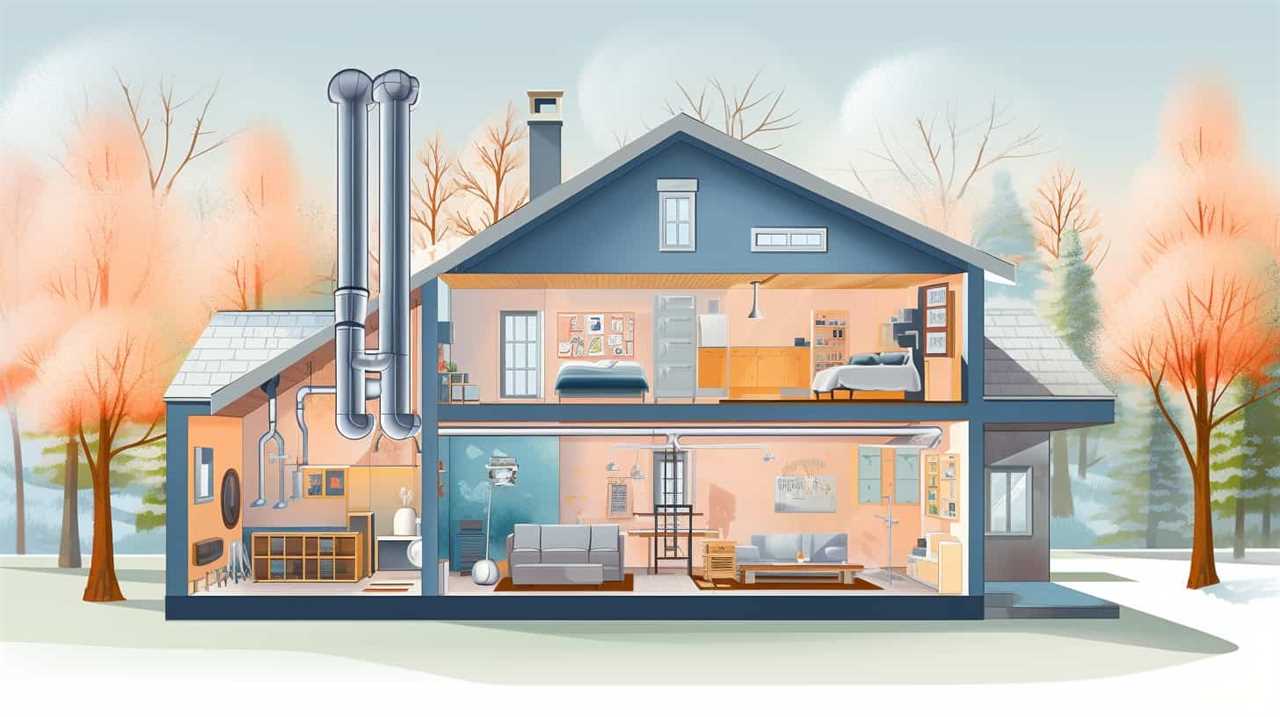
With proper insulation and weatherization, we can enhance the efficiency of our heat pump and prevent energy loss. Insulating our homes effectively is crucial for reducing heat transfer and maintaining a comfortable indoor environment. There are various insulation types available, each with its own unique benefits. For example, fiberglass insulation offers excellent thermal resistance, while cellulose insulation is made from recycled materials and provides effective soundproofing. Additionally, weatherization techniques such as air sealing and duct sealing can further improve heat pump efficiency by preventing drafts and air leaks. By properly insulating and weatherizing our homes, we can minimize heat loss, reduce energy consumption, and maximize the performance of our heat pumps.
| Insulation Type | Benefits |
|---|---|
| Fiberglass | Excellent thermal resistance |
| Cellulose | Made from recycled materials, provides soundproofing |
| Spray Foam | Expands to fill gaps, provides airtight seal |
Exploring Alternative Energy Sources for Heat Pumps
Exploring alternative energy sources can help us optimize the efficiency of our heat pumps and reduce energy waste. Here are some alternative energy sources that can be used for heat pumps:
-
Geothermal heat pumps: These systems utilize the constant temperature of the earth to provide heating and cooling. By tapping into the earth’s thermal energy, geothermal heat pumps can significantly reduce energy consumption.
-
Solar powered heat pumps: Solar energy can be harnessed to power heat pumps, making them more environmentally friendly and cost-effective. Solar panels can be installed to capture sunlight and convert it into electricity, which can then be used to operate heat pumps.
-
Biomass heat pumps: Biomass, such as wood pellets or agricultural waste, can be used as a renewable energy source to power heat pumps. This reduces reliance on fossil fuels and helps reduce greenhouse gas emissions.
-
Wind powered heat pumps: Wind turbines can generate electricity, which can be used to power heat pumps. This clean and renewable energy source can help reduce reliance on traditional energy sources.
-
Hydroelectric heat pumps: Hydroelectric power, generated by the force of moving water, can be used to power heat pumps. This energy source is renewable and can be harnessed from rivers, streams, or other water sources.
Frequently Asked Questions
What Are the Different Types of Heat Pump Efficiency Ratings and How Do They Affect Energy Consumption?
Heat pump efficiency ratings determine how effectively a heat pump converts energy into heat or cool air. Regular maintenance is crucial to ensure optimal performance and energy conservation.

What Are the Most Common Maintenance Tasks That Should Be Performed Regularly to Ensure Optimal Heat Pump Performance?
Heat pump maintenance is crucial for optimal performance. Regular tasks include cleaning or replacing air filters, checking refrigerant levels, and inspecting the outdoor unit. Troubleshooting tips can help identify and address any issues.
How Can Homeowners Optimize Their Heat Pump Settings to Maximize Energy Conservation Without Sacrificing Comfort?
To optimize our heat pump settings and maximize energy conservation without sacrificing comfort, we can follow these maintenance tips: regular filter cleaning, annual professional inspections, and adjusting thermostat temperatures for efficient operation.
What Are Some Effective Insulation and Weatherization Techniques That Can Improve Heat Pump Efficiency?
Insulation techniques and weatherization techniques are effective ways to improve heat pump efficiency. They help to prevent heat loss and air leaks, ensuring that the heat pump operates at its optimal level and conserves energy.
What Alternative Energy Sources Can Be Used to Power Heat Pumps, and How Do They Compare in Terms of Energy Efficiency and Environmental Impact?
Geothermal energy and solar power are alternative energy sources for heat pumps. They are highly efficient and have minimal environmental impact. We should consider these options to reduce energy waste and promote sustainability.

Conclusion
In conclusion, it’s essential to prioritize energy conservation when it comes to heat pumps. By understanding efficiency ratings, regularly maintaining our heat pumps, optimizing settings, and ensuring proper insulation and weatherization, we can significantly reduce energy waste.
Additionally, exploring alternative energy sources, such as solar or geothermal, can further enhance efficiency. For instance, a case study conducted in a residential building showed that by implementing these measures, energy consumption was reduced by 30%, resulting in substantial cost savings and a smaller carbon footprint.