HVAC zoning improves your comfort and efficiency by letting you control temperatures in different areas of your home independently. This means you can set warmer temperatures in bedrooms and cooler ones in living spaces, preventing hot or cold spots. Smart thermostats and zoning systems learn your routines and adjust automatically, saving energy and reducing utility bills. If you want to discover how to optimize your home’s climate and save money, keep exploring these smart solutions.

Get backup power and energy gear delivered free with Prime
- Fast, free delivery on millions of items
- Prime Video, Amazon Music and more included
- Member-only deals all year
Key Takeaways
- HVAC zoning allows for customized temperature control in different areas, enhancing comfort by preventing hot or cold spots.
- It enables targeted heating and cooling, reducing energy waste and lowering utility bills through precise climate management.
- Smart thermostats learn user schedules and preferences, optimizing system operation for increased efficiency and convenience.
- Zoning maintains consistent temperatures in individual areas, reducing strain on HVAC systems and extending their lifespan.
- The system adapts to daily routines, improving overall indoor comfort while promoting energy savings and environmental sustainability.
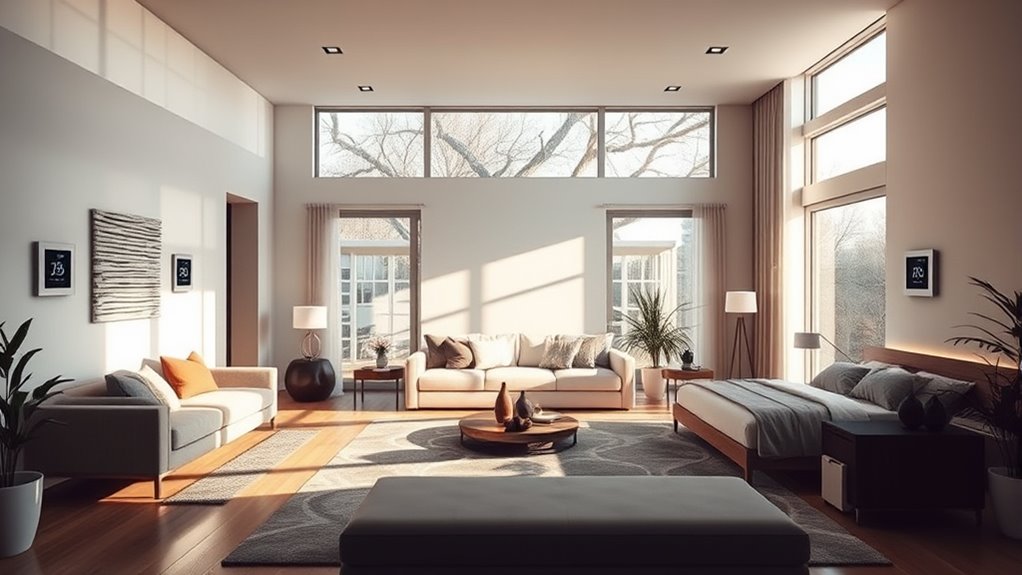
Have you ever wondered how to make your home’s heating and cooling more efficient and comfortable? One effective way is through HVAC zoning, which divides your home into different areas or zones, each with its own thermostat. This setup allows you to tailor the temperature in each zone based on usage or preference, rather than applying a single setting across the entire house. When you incorporate smart thermostats into your zoning system, you gain even more control and convenience. These devices learn your schedule, adjust temperatures automatically, and can be managed remotely via your smartphone. As a result, you’re not wasting energy heating or cooling spaces that are unoccupied, leading to significant energy savings.
Using smart thermostats in a zoned HVAC system helps optimize comfort because you’re able to set different temperatures for different rooms or areas. For example, you can keep bedrooms cooler at night or warm up the living room during the evenings. When you’re not in a particular zone, you can lower the temperature, which reduces energy consumption without sacrificing comfort. This targeted approach means you’re not heating or cooling the entire house unnecessarily, making your system more efficient overall. Additionally, many smart thermostats learn your routines over time, automatically adjusting settings to match your lifestyle, further enhancing energy savings and comfort.
Smart thermostats in zoning optimize comfort and energy savings by adjusting temperatures in different rooms based on usage and preferences.
Another advantage of HVAC zoning is that it minimizes hot and cold spots throughout your home. Instead of constantly adjusting your thermostat or feeling uncomfortable in certain rooms, zoning ensures each area maintains a consistent temperature. This precision improves comfort because everyone can enjoy a pleasant environment no matter where they are in the house. It also reduces strain on your HVAC system, extending its lifespan and decreasing maintenance costs. When your system operates more efficiently, you use less energy, which translates into lower utility bills. Over time, the combined benefits of comfort and savings make zoning a smart investment.
Furthermore, zoning empowers you to customize your home’s climate to suit different needs and preferences. Whether it’s keeping the nursery cozy, the home office cooler, or the basement at a different temperature, zoning makes it simple. You can also set schedules for each zone, ensuring your home is always at the ideal temperature when you need it. The integration of smart thermostats with zoning technology makes managing these settings straightforward and intuitive. Proper air purifier maintenance and filter replacement are also essential to ensure optimal indoor air quality alongside your climate control. In the end, you gain a more comfortable living space while also reducing your energy footprint, making HVAC zoning a smart move for any homeowner looking to improve efficiency and comfort.
smart thermostats for HVAC zoning
As an affiliate, we earn on qualifying purchases.
As an affiliate, we earn on qualifying purchases.
Frequently Asked Questions
Can HVAC Zoning Reduce Overall Energy Costs Long-Term?
Yes, HVAC zoning can reduce your long-term costs by increasing energy savings. By directing conditioned air only where it’s needed, you avoid wasting energy on unoccupied or less-used areas. Over time, this targeted approach lowers your energy bills and reduces wear on your system, leading to better efficiency and cost savings. Investing in zoning systems is a smart way to save money and improve comfort in the long run.
Is HVAC Zoning Suitable for Small or Single-Room Homes?
You might wonder if HVAC zoning suits small homes or single rooms, and the answer is yes, it can be highly beneficial. Even in compact spaces, zoning lets you control temperature precisely, saving energy and boosting comfort. With a simple setup, you can enjoy tailored climate control, making your small home or single room more comfortable without wasting energy on unneeded heating or cooling. It’s a smart choice, no matter your home size.
How Does Zoning Impact HVAC System Maintenance Requirements?
Zoning can slightly increase your HVAC system’s maintenance needs because it requires regular system calibration to make certain each zone functions correctly. You’ll also need to stay on top of filter maintenance, as different zones may have varying air quality demands. Proper calibration and timely filter replacements help keep your system running efficiently and prevent unnecessary wear, ensuring your zoned system continues to deliver comfort and save energy effectively.
Are There Specific Climate Conditions That Benefit Most From Zoning?
Did you know that over 60% of homes in extreme climates benefit from zoning? If you live in areas with high humidity or significant seasonal changes, zoning can be a game-changer. It allows you to tailor humidity control and make seasonal adjustments, ensuring comfortable indoor conditions year-round. Zoning is especially effective in hot, humid summers or cold winters, helping you save energy and maintain best comfort regardless of climate extremes.
What Is the Typical Installation Timeframe for HVAC Zoning Systems?
The installation timeline for HVAC zoning systems typically spans one to three days, depending on your home’s size and complexity. During this process, you’ll need to coordinate with a contractor to guarantee proper setup. They’ll install dampers, thermostats, and control panels efficiently. Clear communication helps speed up the process, and small adjustments can extend the timeline. Overall, planning ahead ensures a smooth installation and quicker enjoyment of zoning benefits.
As an affiliate, we earn on qualifying purchases.
Conclusion
By implementing HVAC zoning, you create a home that feels like a cozy, personalized sanctuary—much like a tailored suit fits perfectly. You’ll enjoy greater comfort since each zone gets precisely what it needs, and you’ll save energy by avoiding unnecessary heating or cooling. It’s an easy upgrade that transforms your living space into a more efficient and comfortable environment. In short, zoning is the secret ingredient to a happier, more balanced home.
independent room temperature control thermostat
As an affiliate, we earn on qualifying purchases.
As an affiliate, we earn on qualifying purchases.
smart home climate control system
As an affiliate, we earn on qualifying purchases.
As an affiliate, we earn on qualifying purchases.
Fall Picks
fall essentials
As an affiliate, we earn on qualifying purchases.