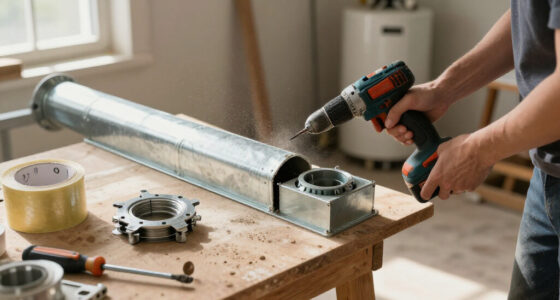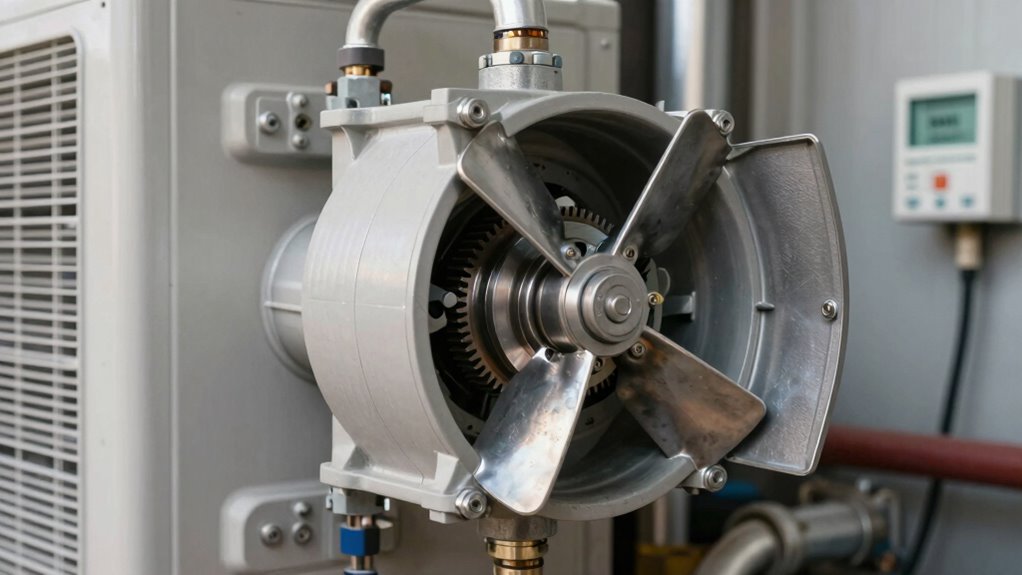
Balancing dampers matter more than fancy thermostats because they directly control airflow, ensuring each room gets the right amount of conditioned air. While high-tech thermostats can regulate temperature, they can’t fix uneven distribution caused by poor airflow. Proper dampers help improve comfort, boost energy efficiency, and extend your HVAC system’s lifespan. If you want to understand how balancing dampers can make a real difference, keep exploring the key role they play in your system’s performance.

Get backup power and energy gear delivered free — and shop member deals
- Fast, free delivery on millions of items
- Access to Prime Big Deal Days deals on October 6–7
- Prime Video, Amazon Music and more included
Key Takeaways
- Balancing dampers directly control airflow distribution, addressing uneven heating or cooling issues that thermostats cannot fix.
- Proper damper adjustment improves energy efficiency by reducing unnecessary system workload and preventing hot or cold spots.
- Thermostats regulate temperature but do not influence physical airflow, which is essential for consistent comfort.
- Dampers optimize HVAC system performance at the source, extending equipment lifespan and reducing maintenance costs.
- System design with proper airflow management ensures reliable, long-term operation beyond what high-tech thermostats can achieve.
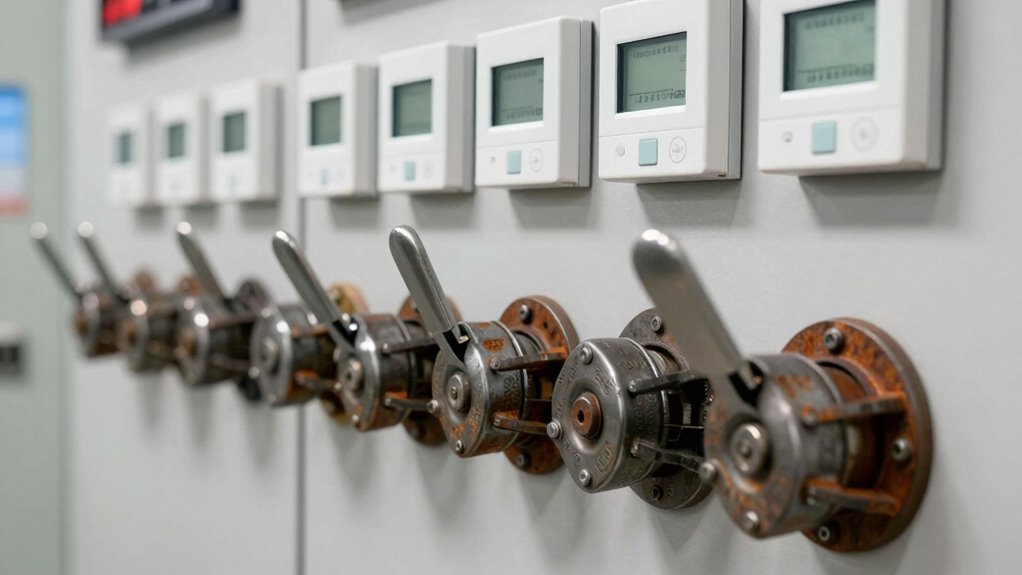
Balancing dampers play a essential role in maintaining ideal airflow within HVAC systems, ensuring that each room receives the right amount of conditioned air. When you focus on airflow optimization through these dampers, you’re directly improving your system’s energy efficiency. Unlike fancy thermostats that may promise smarter control, balancing dampers address the core issue: uneven air distribution. If some rooms are too warm or too cold, it’s often because airflow isn’t properly balanced. Installing or adjusting dampers allows you to fine-tune airflow at its source, ensuring that conditioned air reaches every part of your space evenly. This not only makes your home more comfortable but also reduces the workload on your HVAC system, which can lead to lower energy bills. Proper airflow management is a key component of media literacy that helps you understand and address underlying system issues. Energy efficiency is a crucial benefit of using balancing dampers. When airflow is properly balanced, your system doesn’t have to work overtime to compensate for hot or cold spots. Research shows that airflow balance can significantly improve overall system performance and longevity. Overworking the system consumes more energy, raising your utility costs and increasing wear and tear on components. By controlling airflow at the duct level, dampers help prevent unnecessary energy loss, making your heating and cooling efforts more effective. This is especially important if you’re trying to reduce your carbon footprint or save money in the long run. While high-tech thermostats can add convenience and some level of control, they often don’t address underlying airflow issues that cause inefficiency. Dampers, on the other hand, tackle the root of the problem: airflow imbalance, ensuring that your HVAC system operates as efficiently as possible. You might think that fancy thermostats with remote control capabilities or smart features are enough, but they don’t modify the physical distribution of air. Without proper airflow, even the most advanced thermostat can’t fix uneven temperatures within your home. Dampers give you direct control over airflow, allowing you to make precise adjustments for each zone or room. When airflow is optimized, your HVAC system can maintain consistent temperatures with less effort. This means fewer cycles, less energy use, and a more balanced indoor climate. Over time, this focus on airflow management saves you money and prolongs the lifespan of your HVAC equipment. In addition, understanding the fundamentals of airflow can help you better troubleshoot and prevent future system issues. Recognizing the importance of system design can further enhance your ability to optimize airflow and system efficiency. In the end, while fancy thermostats can enhance comfort and convenience, they shouldn’t replace the fundamental importance of airflow optimization through balancing dampers. These simple devices enable you to address efficiency at its core, making your entire HVAC system work smarter—not harder. Properly balanced airflow ensures your home stays comfortable, energy consumption drops, and your system remains reliable for years to come. It’s a straightforward, cost-effective way to maximize comfort and efficiency without relying solely on high-tech gadgets.
balancing dampers for HVAC systems
As an affiliate, we earn on qualifying purchases.
As an affiliate, we earn on qualifying purchases.
Frequently Asked Questions
How Do Balancing Dampers Affect Energy Efficiency Long-Term?
Balancing dampers improve your system’s energy efficiency long-term by ensuring proper airflow, which reduces energy waste. When you optimize airflow, your heating and cooling operate more effectively, leading to consistent comfort and energy savings. Additionally, balancing dampers help prevent system strain, extending its longevity. By maintaining balanced airflow, you cut down on unnecessary energy use and reduce wear and tear, ultimately saving you money and prolonging your system’s lifespan.
Can Balancing Dampers Prevent Uneven Heating or Cooling in Rooms?
You’ll find balancing dampers essential for preventing uneven heating or cooling in rooms. Studies show that improper room air distribution can cause discomfort in up to 30% of buildings. By adjusting these dampers, you gain better ventilation control, ensuring each space receives the right airflow. This targeted approach keeps rooms consistently comfortable, avoiding hot or cold spots and optimizing your overall HVAC system’s efficiency.
Are Balancing Dampers Easy to Install in Existing HVAC Systems?
Balancing dampers can be installed in existing HVAC systems, but you should expect some installation challenges, especially accessing ductwork and making precise adjustments. It’s often more straightforward than replacing thermostats, but costs can add up if extensive modifications are needed. You’ll want to weigh the benefits of better airflow control against potential costs and effort involved in installing these dampers, especially if your system is complex or hard to access.
How Often Should Balancing Dampers Be Inspected or Adjusted?
You should inspect and adjust balancing dampers regularly—typically, damper maintenance and adjustment frequency depend on your system’s usage, seasonal changes, and any noticeable airflow issues. Aim for at least once a year, or whenever you notice uneven heating or cooling, noise, or drafts. Frequent monitoring ensures peak airflow, energy efficiency, and comfort. Regular adjustments prevent problems from escalating, keeping your HVAC system running smoothly and maintaining balanced air distribution.
Do Balancing Dampers Reduce HVAC System Noise Levels?
Yes, balancing dampers can reduce HVAC noise levels. When you properly adjust dampers, they help balance airflow, which minimizes disturbances like dampers noise and uneven air pressure. This leads to a quieter HVAC sound overall. By ensuring airflow is evenly distributed, you prevent excessive noise caused by air turbulence or pressure imbalances, making your system operate more smoothly and quietly, enhancing comfort in your space.
As an affiliate, we earn on qualifying purchases.
Conclusion
Imagine walking into a room where the air feels just right—neither too hot nor too cold. That’s what balancing dampers do; they fine-tune your HVAC system, ensuring every space feels perfect. Coincidentally, while fancy thermostats get all the attention, it’s the simple act of adjusting dampers that truly makes the difference. So next time you think about comfort, remember, sometimes the smallest changes—like a damper—can create the biggest impact.
As an affiliate, we earn on qualifying purchases.
As an affiliate, we earn on qualifying purchases.
Fall Picks
fall essentials
As an affiliate, we earn on qualifying purchases.