

The zoning shortcut, meant to speed up development, often causes comfort complaints for residents like you. By skipping traditional review steps, developers rush construction, leading to poorly insulated and ventilated buildings. This results in inconsistent indoor temperatures, higher energy bills, and reduced comfort. Urban planning may also suffer, with less green space and poor integration into neighborhoods. If you want to understand how these shortcuts affect your everyday life and explore solutions, keep exploring this topic.

Get backup power and energy gear delivered free with Prime
- Fast, free delivery on millions of items
- Prime Video, Amazon Music and more included
- Member-only deals all year
Key Takeaways
- The zoning shortcut bypasses thorough urban planning, leading to poorly integrated buildings that cause comfort issues.
- Rapid development often neglects insulation and ventilation, resulting in inconsistent indoor temperatures.
- Insufficient green spaces and improper shading contribute to heat islands, increasing resident discomfort.
- Haphazard building placement reduces airflow and natural shading, heightening energy use and temperature fluctuations.
- Prioritizing speed over thoughtful design causes long-term comfort complaints and higher energy consumption.
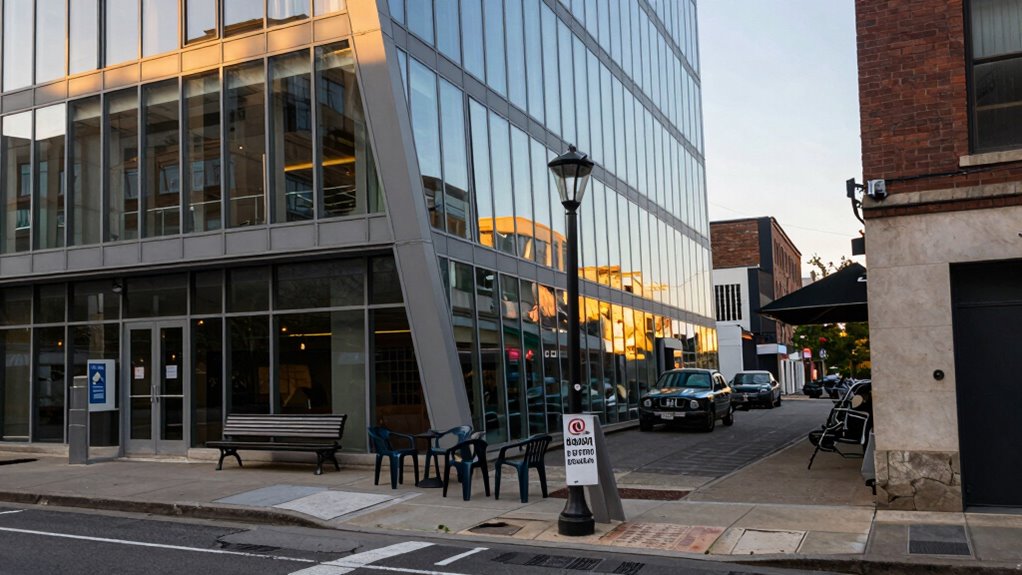
When a new zoning shortcut was implemented to speed up development approvals, residents quickly noticed a rise in comfort complaints. This quickened process aimed to streamline urban planning, allowing developers to bypass some traditional review steps. While it did accelerate construction projects, it also brought unintended consequences — particularly in how buildings manage energy efficiency and overall comfort. As new structures went up faster, many residents found their living environments less comfortable, especially during extreme weather.
Fast-tracking development led to comfort issues and energy inefficiency in new buildings.
You might notice that buildings constructed under this shortcut often lack proper insulation or ventilation systems. These elements are crucial for maintaining consistent indoor temperatures and reducing energy consumption. When buildings aren’t designed with energy efficiency in mind, your heating and cooling systems work overtime, leading to higher utility bills and a less comfortable living space. Without thorough planning, developers tend to overlook how building design impacts energy use, which directly affects your day-to-day comfort. Energy efficiency is a fundamental aspect of sustainable building design that gets overlooked in rapid development scenarios.
Urban planning plays a critical role in balancing development speed with quality living conditions. The shortcut focused on cutting bureaucratic delays, but it didn’t give enough attention to how new buildings integrate into the existing urban fabric. When planning neglects the nuances of energy efficiency, it results in structures that are poorly adapted to their environment. For example, large glass facades might look modern, but without proper shading or insulation, they cause indoor temperatures to fluctuate wildly. This not only makes your home uncomfortable but also increases energy consumption, which is a concern for both residents and the environment. Additionally, urban design principles are essential to creating sustainable and comfortable neighborhoods.
You may also notice that the neighborhoods feel less cohesive. Rapid development often leads to haphazard placement of buildings, with insufficient green spaces or buffers to mitigate temperature extremes. These urban planning oversights can cause heat islands or excessive shading, further decreasing comfort. As a resident, you’re directly affected by these decisions because your everyday experience depends on how well the area is designed to absorb or deflect heat, promote airflow, and conserve energy. A focus on building integration can help create more harmonious and livable communities.
In essence, while the zoning shortcut was successful in speeding up development, it compromised the quality of urban planning that ensures energy-efficient, comfortable living spaces. Your complaints about comfort are not just about inconvenience; they reflect deeper issues related to how buildings are designed and integrated into the community. Moving forward, a better approach would balance swift development with thoughtful planning to prioritize energy efficiency and your overall well-being. Proper zoning regulations are essential to avoid these issues in future projects.
As an affiliate, we earn on qualifying purchases.
Frequently Asked Questions
How Does Zoning Impact Local Property Values?
Zoning directly impacts your property values by either supporting or hindering property improvements and development. When zoning conflicts arise, they can limit upgrades, reduce appeal, and lower values. Conversely, clear and supportive zoning regulations encourage renovations and new investments, boosting property worth. You’ll see higher values in well-zoned areas, while conflicting zoning can create uncertainty, discourage improvements, and ultimately decrease your property’s market value.
Are There Legal Consequences for Zoning Violations?
Yes, there are legal consequences for zoning violations. You face potential fines, orders to cease illegal activities, or even legal action that could lead to property liens or forced compliance. Enforcement challenges, like limited resources or ambiguous regulations, can make it hard to address violations swiftly. You need to understand local laws and stay compliant, because ignoring zoning rules can result in significant legal repercussions that affect your property and peace of mind.
Who Enforces Zoning Regulations in Communities?
Community enforcement of zoning regulations relies on local authorities, such as zoning officers and planning departments, who guarantee rules are followed. Community activism also plays a crucial role, as residents can report violations or advocate for zoning amendments to address issues. Together, these efforts help maintain order and resolve complaints, making sure the community’s zoning laws serve everyone’s interests. Active participation makes enforcement more effective and responsive to residents’ needs.
Can Residents Change Zoning Laws Easily?
You can influence zoning laws through community activism, but changing them isn’t always easy. Typically, residents need to propose zoning amendments, which require public hearings and approval from local authorities. Your active participation, gathering support, and presenting clear reasons can help sway decisions. While it takes effort and persistence, community activism plays a vital role in shaping zoning regulations to better fit residents’ needs and address comfort complaints.
How Do Zoning Codes Affect Small Businesses?
Zoning codes directly impact your small business by creating zoning ambiguities that can hinder your operations or expansion plans. These ambiguities often lead to nuisance conflicts with neighbors or other businesses, causing delays or legal issues. You need to understand local zoning laws thoroughly and possibly work with city officials to clarify rules, ensuring your business complies and avoids disruptions caused by unclear regulations.
energy-efficient insulation for homes
As an affiliate, we earn on qualifying purchases.
As an affiliate, we earn on qualifying purchases.
Conclusion
In the end, overlooking proper zoning can turn your home into a never-ending episode of “The Twilight Zone,” where comfort is a rare guest. You might think a quick fix will do, but it’s like trying to use a typewriter in the age of computers—ineffective and frustrating. To avoid complaints, take the time to plan your zoning carefully. After all, nobody wants their home to feel like a scene from a forgotten past—so be wise, and zone right.
ventilation system for energy saving
As an affiliate, we earn on qualifying purchases.
As an affiliate, we earn on qualifying purchases.
smart thermostats for temperature regulation
As an affiliate, we earn on qualifying purchases.
As an affiliate, we earn on qualifying purchases.
Halloween Picks
halloween
As an affiliate, we earn on qualifying purchases.


