
Future heating technologies go beyond traditional heat pumps by including innovations like hydrogen boilers and geothermal energy. Hydrogen boilers, using renewable hydrogen, provide a clean alternative with minimal emissions, while geothermal systems tap into natural underground heat for efficient heating and cooling. These solutions can be integrated into existing infrastructure and offer long-term savings, aligning with global efforts to reduce carbon footprints. To discover how these emerging options can shape your sustainable heating future, keep exploring these advancements.

Get backup power and energy gear delivered free — and shop member deals
- Fast, free delivery on millions of items
- Access to Prime Big Deal Days deals on October 6–7
- Prime Video, Amazon Music and more included
Key Takeaways
- Hydrogen boilers offer a clean, renewable alternative, producing only water and fitting into existing heating systems.
- Geothermal energy provides sustainable, low-maintenance heating and cooling by utilizing underground heat sources.
- Integrated systems combining geothermal and hydrogen technologies enhance efficiency and reduce carbon footprints.
- Advancements in technology are lowering costs and increasing accessibility for these innovative heating solutions.
- Public awareness and supportive policies are crucial for widespread adoption of future-proof heating technologies.
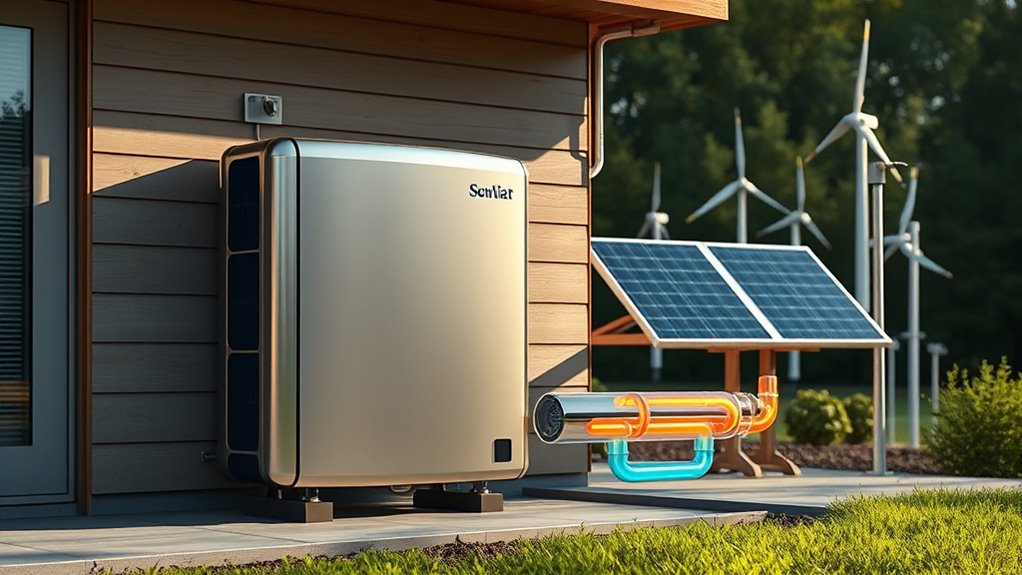
The future of heating technologies promises to revolutionize how we warm our homes and buildings, making them more efficient, sustainable, and cost-effective. As traditional systems reach their limits, innovative solutions like hydrogen boilers and geothermal energy are emerging to meet our growing energy needs. You’ll find that these technologies are not just upgrades but transformative shifts that could redefine the way you think about heating. Hydrogen boilers, for instance, are designed to use hydrogen gas as a clean-burning fuel, producing only water as a byproduct. Unlike natural gas, hydrogen can be produced using renewable energy sources, reducing carbon emissions markedly. Imagine replacing your current boiler with a system that offers the same reliability but with a much lower environmental impact. Hydrogen boilers are still in development, but they hold great promise for the future, especially as governments and industries push for decarbonization. They could seamlessly integrate into existing heating infrastructure, making your transition to greener energy smoother and more affordable.
Meanwhile, geothermal energy taps into the planet’s natural heat, offering a sustainable and virtually inexhaustible source of warmth. It involves installing heat exchange systems underground, where temperatures remain relatively constant year-round. You might not realize it, but geothermal systems can be highly efficient, providing both heating and cooling solutions for your home or building. They work silently and require minimal maintenance, which means longer-term savings and less hassle. The upfront installation can be more costly than traditional systems, but the long-term benefits outweigh these initial costs. As technology advances, geothermal energy becomes more accessible and affordable, making it an attractive option for those committed to sustainability. Additionally, public awareness and education about these technologies are crucial to accelerate adoption and support policy changes.
These emerging technologies are not mutually exclusive; they can complement each other in integrated systems, maximizing efficiency and reducing reliance on fossil fuels. For example, geothermal energy could be used to generate electricity for hydrogen production, which then powers hydrogen boilers. This synergy creates a resilient and low-carbon heating network that adapts to future energy demands. As you consider upgrading your home or building, understanding these innovations helps you make informed decisions aligned with environmental goals and cost savings. The shift toward hydrogen boilers and geothermal energy reflects a broader trend in energy transition, emphasizing cleaner, smarter, and more sustainable heating solutions. With ongoing research and increasing adoption, you can expect these technologies to become more mainstream, paving the way for a greener, more resilient energy future.
As an affiliate, we earn on qualifying purchases.
Frequently Asked Questions
What Are the Environmental Impacts of Emerging Heating Technologies?
You’ll find that emerging heating technologies, especially those using renewable sources, notably reduce emissions compared to traditional systems. By adopting these innovations, you help cut greenhouse gases and promote a healthier environment. These advancements aim for emission reduction, making your home more eco-friendly. While some manufacturing impacts exist, overall, these technologies offer a sustainable way to heat your space without harming the planet.
How Cost-Effective Are Advanced Heating Systems Long-Term?
You’ll find advanced heating systems quite cost-effective in the long run. Their impressive energy efficiency leads to significant cost savings on your utility bills over time. While the initial investment might seem higher, innovative technologies often qualify for rebates or incentives, making them more accessible. Plus, their durability and lower maintenance needs contribute to ongoing savings, helping you enjoy comfort and savings well into the future.
Are New Heating Solutions Compatible With Existing Infrastructure?
You’ll find that many new heating solutions are designed with retrofit challenges and compatibility issues in mind, making integration smoother. However, some advanced systems might require modifications to your existing infrastructure, which can pose challenges. It’s wise to consult with professionals to assess your setup and verify compatibility. While some solutions fit seamlessly, others might need upgrades, so understanding these factors helps you make informed decisions.
What Are the Safety Considerations for Innovative Heating Devices?
You should prioritize fire hazard and electrical safety when using innovative heating devices. Make certain proper installation by certified professionals, and regularly inspect the equipment for signs of wear or damage. Keep devices away from flammable materials and follow manufacturer guidelines carefully. Using advanced safety features, like automatic shut-off and surge protection, can greatly reduce risks. Staying vigilant helps prevent accidents and keeps your home safe while enjoying new heating technologies.
How Do Future Heating Technologies Integrate With Smart Home Systems?
Imagine connecting your future heating system like a smartphone app in 2025. You’ll enjoy smart integration, seamlessly syncing with your smart home ecosystem, allowing remote control and real-time monitoring. User automation will optimize comfort and efficiency, adjusting temperatures based on your routines and preferences. These innovative heating technologies will communicate effortlessly with other devices, creating an intuitive, energy-saving environment that responds to your needs, just like a trusty companion from a sci-fi novel.
As an affiliate, we earn on qualifying purchases.
Conclusion
As you explore future heating technologies, remember that innovation drives efficiency, sustainability drives responsibility, and new solutions drive progress. Embrace the potential of beyond traditional heat pumps to transform your home, reduce your carbon footprint, and improve your comfort. Stay curious, stay informed, and stay committed to a greener future. Because when you choose advanced, eco-friendly heating options, you’re not just warming your space—you’re warming the planet.
As an affiliate, we earn on qualifying purchases.
integrated geothermal and hydrogen heating system
As an affiliate, we earn on qualifying purchases.
As an affiliate, we earn on qualifying purchases.
Fall Picks
fall essentials
As an affiliate, we earn on qualifying purchases.