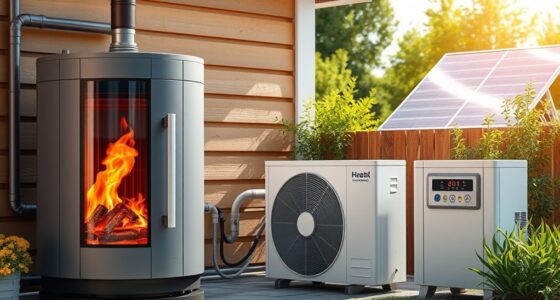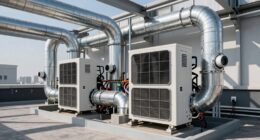
Choosing between grid-tied and off-grid renewable heat pump systems depends on your location, energy needs, and lifestyle. Grid-tied systems connect to the main power grid, offering reliability and easy integration with solar energy, often with incentives. Off-grid systems operate independently, relying solely on renewable sources and batteries, ideal for remote areas. Understanding their differences in cost, maintenance, and environmental impact can help you make the best choice for your sustainable goals. Keep exploring to discover more details.
Key Takeaways
- Grid-tied heat pump systems connect to the main power grid, while off-grid systems operate independently with batteries or storage.
- Grid-tied setups benefit from grid stability and incentives, whereas off-grid systems offer energy independence and resilience.
- Off-grid systems typically entail higher initial costs due to batteries and require more maintenance.
- Grid-tied systems can draw power from the grid during low renewable energy production, ensuring consistent performance.
- Choice depends on location, energy needs, and desire for independence, with both options supporting renewable energy use.

Are renewable heat pump systems the future of sustainable heating? It’s a compelling question, especially as you explore the options available to lessen your carbon footprint. When considering grid-tied versus off-grid systems, each has unique advantages and challenges. Grid-tied heat pumps connect directly to your local power grid, allowing you to draw electricity when needed and often benefit from incentives or net metering programs. This setup makes integration with solar energy straightforward, enabling you to maximize renewable sources. Solar integration, in particular, can markedly cut your energy costs and increase your system’s efficiency. With grid-tied setups, you also benefit from the stability of a reliable power source, ensuring consistent heating even during periods of low sunlight or energy demand spikes.
However, maintaining a grid-tied system requires attention to system upkeep. You’ll need to keep an eye on electrical components, ensure your inverter functions correctly, and regularly check connections. The beauty of grid-tied systems is that they can automatically draw power from the grid if your solar panels don’t produce enough energy, providing peace of mind. But this reliance on the grid also means your system’s sustainability depends partly on the grid’s energy mix. If the grid relies heavily on fossil fuels, your environmental benefits diminish slightly, though the efficiency of heat pumps still offers notable savings.
Off-grid systems, on the other hand, operate independently of the main power grid. They’re ideal if you’re in a remote location or want complete energy independence. These systems often incorporate energy storage solutions like batteries, which store excess solar energy for use during cloudy days or at night. This setup allows you to sustain your heating needs without relying on external power sources, emphasizing renewable energy use. Off-grid systems demand diligent system maintenance, especially for batteries and energy management components, to ensure they perform at their best over time. You’ll need to monitor your energy storage levels, keep your solar panels clean, and inspect the system regularly for wear and tear. While off-grid solutions can be more complex initially, they provide a resilient, eco-friendly heating option that aligns with sustainable living goals.
In the end, choosing between grid-tied and off-grid renewable heat pump systems depends on your location, energy needs, and lifestyle. Both can be highly sustainable when properly maintained, especially with thoughtful solar integration. Your decision should consider not only installation costs but also ongoing system upkeep, long-term reliability, and your commitment to renewable energy. Whichever route you select, you’re taking a meaningful step toward a greener, more sustainable future.

30 Pint Dehumidifier for Basement, 2500 Sq. Ft Dehumidifiers for Home with Drain Hose, 3 Modes, Smart Humidity Control, 24H Timer, 0.52 Gal Water Tank, for Whole House, Bedroom, Bathroom, Garage, Rv
Powerful 30-Pint Moisture Removal for Spaces up to 2500 Sq. Ft: High humidity can make rooms feel damp,...
As an affiliate, we earn on qualifying purchases.
Frequently Asked Questions
How Do Grid-Tied and Off-Grid Systems Compare in Initial Costs?
You’ll find that grid-tied systems generally have higher initial costs due to installation expenses and connection fees. Off-grid systems tend to be cheaper upfront since they don’t require grid connection infrastructure. However, consider the long-term cost implications, as off-grid setups might need more maintenance or energy storage solutions. Your choice depends on balancing initial investment against ongoing expenses and your specific energy needs.
What Maintenance Challenges Are Unique to Each System Type?
Picture your system as a living organism needing care. With grid-tied systems, you face corrosion issues from constant power surges and electrical exposure, while off-grid units battle component wear from irregular usage. You must regularly inspect wiring and seals, replacing parts as they age. Off-grid systems demand extra attention to battery health, preventing corrosion and ensuring reliable power, so your heat pump stays healthy and efficient for years to come.
Can Off-Grid Systems Function Effectively During Power Outages?
Yes, off-grid systems can function effectively during power outages if they have backup power sources like batteries or generators. This guarantees your system maintains independence from the grid, providing continuous heat even when the main power is down. Properly designed, off-grid setups are reliable, allowing you to avoid disruptions and stay self-sufficient, especially in remote or unreliable grid areas. Backup power is essential for maintaining system performance during outages.
What Are the Environmental Impacts of Each System?
You’ll find that off-grid systems generally have a lower environmental footprint because they rely on renewable resources and avoid grid energy, reducing emissions. Grid-tied systems can impact resource sustainability more, especially if the grid relies on fossil fuels. However, they might use less material overall. Your choice depends on balancing the environmental benefits of reduced emissions with the sustainability of resource use, considering your local energy sources.
How Do Energy Storage Options Differ Between the Systems?
Ever wondered how energy storage differs? You’ll find that grid-tied systems often rely on the grid itself, with some using battery backups for backup power. Off-grid systems, on the other hand, depend heavily on seasonal storage solutions, like thermal energy storage, to meet long-term needs. This means off-grid setups require more dedicated storage options, while grid-tied systems benefit from the existing infrastructure for immediate or backup energy.

70 Pint Crawl Space Dehumidifier with Energy Star & Pump & Drain Hose for Basement, Commercial, Whole House, Industrial, Water Damage Restoration, Spaces Up to 2000 Sq Ft, Auto Defrost,Memory Restart
COMMERCIAL 70-PINT CAPACITY (2,000 SQ. FT. COVERAGE): Engineered for high-efficiency moisture removal, this unit removes 70 pints per...
As an affiliate, we earn on qualifying purchases.
Conclusion
Whether you choose a grid-tied or off-grid renewable heat pump system, both options can substantially cut your energy costs and reduce your carbon footprint. For example, imagine installing an off-grid system in a remote cabin—you’re self-sufficient and eco-friendly, even without grid access. By understanding your energy needs and location, you can select the best system for your lifestyle. Either way, embracing renewable heat pumps helps you save money and protect the environment for future generations.

COAIRO Whole House Dehumidifier 208 Pint, Crawl Space Dehumidifier with Controller Fresh Air Function and Drain Hose Up to 3000 sq. ft. for Grow Tent, Whole House, Commercial, Basement, Water Damage
208-Pint Upgrade Whole House Dehumidifier: The CoAiro whole house dehumidifier can efficiently remove up to 208 pints at...
As an affiliate, we earn on qualifying purchases.
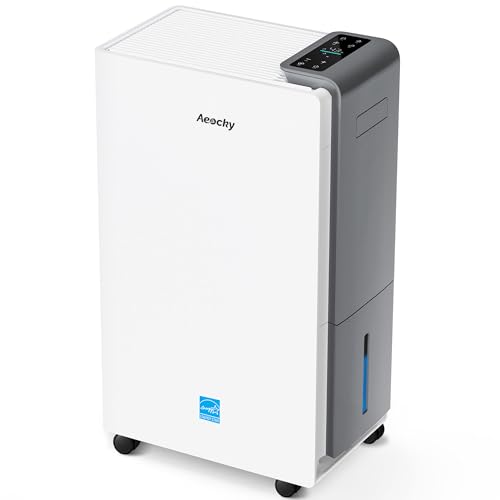
AEOCKY 4500 Sq.Ft Energy Star Most Efficient 2025 Dehumidifier, Max 80 Pint/Day Smart Compressor Dehumidifier with Drain Hose, Intelligent Humidistat,for Basement,Bedroom,Home,Bathroom
【ENERGY STAR 25 ≠ ENERGY STAR Most Efficient 2025】Don't fall for competitors' word games. With only 2.6% of...
As an affiliate, we earn on qualifying purchases.