
When installing a multi-position air handler in a retrofit, you’ll need to carefully check if your existing ductwork fits the unit’s size, shape, and connection points. Improper fits can lead to air leaks, reduced efficiency, and uneven heating or cooling. You might need to modify or replace duct sections for better airflow. Understanding these compatibility considerations helps guarantee a smooth installation and peak performance. Keep exploring to learn how to navigate these challenges effectively.
Key Takeaways
- Verify duct compatibility and size before installation to prevent air leaks and efficiency issues.
- Multiple installation positions require careful planning to ensure proper airflow and system performance.
- Duct modifications or replacements may be necessary for optimal fit and airflow in retrofit projects.
- Consulting HVAC professionals ensures correct evaluation, installation, and long-term system efficiency.
- Proper system assessment minimizes future comfort problems and maximizes retrofit success.

Are you considering a multi-position air handler for your heating and cooling system? If so, you might be weighing the benefits of its versatility against the potential challenges during retrofit projects. One of the key factors to consider is duct compatibility. Multi-position air handlers are designed to operate in various orientations—vertical, horizontal, or even upside down—which means they often need to fit into existing ductwork. If your current ducts weren’t originally configured for a multi-position unit, you could run into issues with duct size, shape, or connections. Verifying duct compatibility is vital because improper fitting can lead to air leaks, reduced efficiency, or uneven heating and cooling. You’ll want to evaluate your duct system carefully before opting for this type of air handler, possibly consulting with an HVAC professional who can assess whether your existing ductwork can accommodate the unit’s multiple orientations. Understanding duct system compatibility is essential for a successful retrofit.
Another major advantage of multi-position air handlers is their installation flexibility. Unlike traditional units that require specific mounting orientations, these units can be installed in various positions, making them ideal for retrofit applications where space or existing infrastructure limits your options. This flexibility can simplify the installation process, especially in tight or awkward spaces, and might even reduce labor costs. However, it’s essential to understand that not all multi-position air handlers are compatible with every duct system, and some may still require modifications to your existing setup. In some cases, you might need to install new ductwork or adjust existing components to guarantee proper airflow and sealing. Despite these potential adjustments, the ability to install in multiple orientations often makes retrofitting more feasible and less invasive, giving you more choices in how you upgrade your system. Additionally, understanding the air handler’s design features can help you better plan for a smooth upgrade. Assessing airflow dynamics is also crucial to ensure your system performs optimally after installation. Properly evaluating your duct system capacity and design can prevent future issues with comfort and efficiency. Moreover, confirming that your duct system meets the necessary air distribution standards can prevent future issues with comfort and efficiency.
However, keep in mind that installation flexibility doesn’t eliminate the need for careful planning. You must verify that your duct system can support the multi-position air handler’s configuration without compromising performance. If your ducts are old or poorly designed, you might face additional challenges, such as needing to upgrade or replace sections. Also, consider the overall system airflow, as improper installation—even with a flexible unit—can lead to inefficiencies or uneven comfort levels. Working with an experienced HVAC technician can help you navigate these complexities, guaranteeing that your retrofit delivers the efficiency and comfort you’re aiming for without unexpected headaches.

6 to 4 inch Duct Reducer Adapter, Air Ducting Reducer Increaser for Inline Ventilation Fitting, Blower and Exhaust, HAVC Pipe Connector Come with 2 Hose Clamps
- Material: ABS plastic with stainless steel clamps
- Size Range: 150mm to 100mm reducer
- Included Components: 2 hose clamps included
As an affiliate, we earn on qualifying purchases.
As an affiliate, we earn on qualifying purchases.
Frequently Asked Questions
How Do Multi-Position Air Handlers Impact Energy Efficiency?
Multi-position air handlers boost energy efficiency by optimizing airflow and reducing energy waste. They adapt to various duct configurations, ensuring better ventilation improvement and consistent comfort. This adaptability leads to energy savings because the system works efficiently regardless of installation position. You’ll notice lower energy bills and improved indoor air quality, making multi-position air handlers a smart choice for retrofit projects focused on enhancing both comfort and energy performance.
Are Multi-Position Air Handlers Compatible With Existing Ductwork?
Multi-position air handlers can often be compatible with existing ductwork, but duct compatibility varies depending on your current system. You might face retrofit challenges if your ducts aren’t properly sized or sealed, which could affect airflow and efficiency. Before installing, it’s essential to assess your ductwork’s condition and compatibility to guarantee a smooth retrofit process. Sometimes, minor duct modifications are needed to optimize performance and avoid future issues.
What Are the Installation Costs for Multi-Position Units?
Installation costs for multi-position units vary depending on your home’s existing ductwork and any required modifications. You might encounter installation challenges, especially if your ducts need adjustments to fit the new unit. While the upfront cost can be higher, these units often have manageable maintenance requirements, making them a practical choice for versatile performance. Be prepared for potential additional expenses if significant ductwork work is necessary.
How Long Is the Typical Lifespan of a Multi-Position Air Handler?
You can expect a multi-position air handler to last around 15 to 20 years with proper maintenance. Notably, these units are designed to operate quietly, with noise levels often below 55 decibels, making them less disruptive. Regular maintenance, like changing filters and inspecting components, extends their lifespan and keeps noise levels low. If you stay on top of upkeep, your unit can perform efficiently and last well into the future.
Can Multi-Position Air Handlers Be Used With Smart Home Systems?
Yes, multi-position air handlers can be used with smart home systems. They often feature automation compatibility and smart home integration options, allowing you to control settings remotely via apps or voice assistants. Confirm your specific model supports these features, and you’ll enjoy seamless automation, energy efficiency, and convenience. Upgrading to a compatible unit makes it easier to synchronize your HVAC with other smart devices for a more integrated home environment.

Toe Kick Vent Duct Kit,Under Cabinet HVAC Ducting,Energy Efficient Air Duct Regulator,4" Universal Fit for Kitchen Bathroom Cabinet Toe Kick Space
- Optimized Air Flow: Guides air into toe kick areas effectively
- Energy Efficient Design: Reduces air leakage and saves energy
- Universal 4 Inch Fit: Compatible with most standard vent setups
As an affiliate, we earn on qualifying purchases.
As an affiliate, we earn on qualifying purchases.
Conclusion
Don’t delay deciphering your ductwork dilemma. By understanding the versatile, variable, and valuable nature of multi-position air handlers, you’ll confidently conquer your retrofit challenges. Remember, the right research, reliable professionals, and a bit of patience will pave the path to perfect airflow. With this knowledge, you’ll not only navigate the nuances but naturally nurture a more comfortable, cost-effective cooling and heating system. Take charge today and transform your space with smart, solutions-driven decisions!

Dubbs Hardware 1/4" Air Tool Holder Wall Mount – 4 Pack – Heavy Duty Pneumatic Tool Organizer – Air Compressor Accessory Rack for Workshop & Garage Storage – Secure Mounting with Screws
- Air Tool Holder Size: 1/4 inch capacity
- Pack Quantity: 4 pack
- Heavy Duty Construction: Durable steel design
As an affiliate, we earn on qualifying purchases.
As an affiliate, we earn on qualifying purchases.
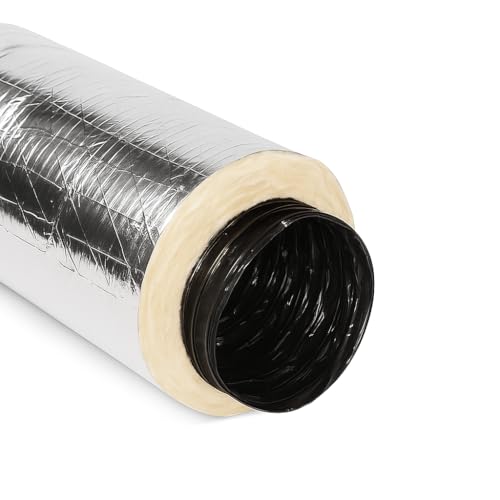
HVAC Insulated Flex Ductwork – 7" x 25 Ft R6 | Flexible Air Duct for Residential Heating & Cooling Systems | Aluminum Inner Core with Thermal Insulation | Easy Install Vent Hose
- Duct Size and Length: 7" x 25 ft
- Construction Material: Aluminum inner core with insulation
- Application Compatibility: Suitable for heating and cooling systems
As an affiliate, we earn on qualifying purchases.
As an affiliate, we earn on qualifying purchases.