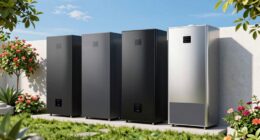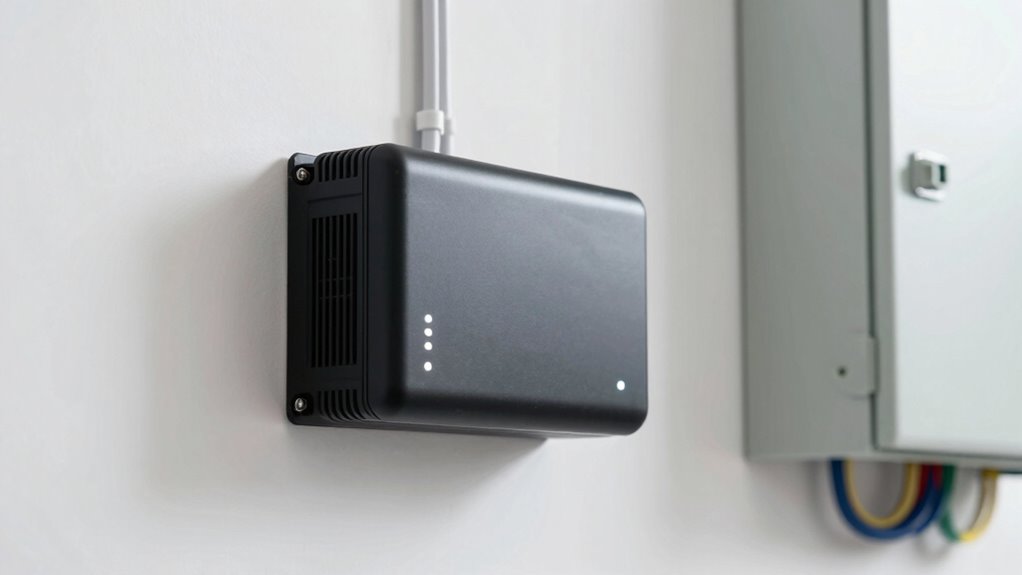
An inverter is a key part of your solar system that changes the DC power from your panels into AC power your home can use. This process makes sure your solar energy is converted efficiently, so you get more power with less waste. It also helps keep your electricity steady and safe, even during power outages or fluctuations. If you’re curious about how this simple device can boost your energy savings and safety, there’s more to discover just ahead.
Key Takeaways
- Inverters convert solar energy from DC to AC, making it usable in homes and businesses.
- They improve system efficiency, generating more power from the same sunlight.
- Inverters ensure stable power supply and protect appliances during grid fluctuations.
- Advanced inverters include features like battery storage and safety protections for reliability.
- Choosing a good inverter increases system lifespan and offers a smart investment in renewable energy.
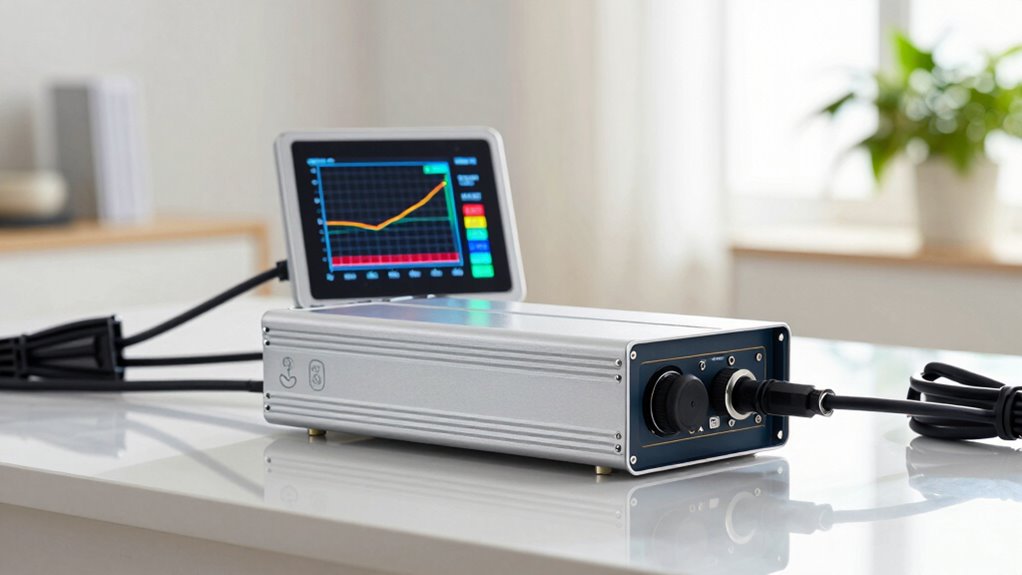
Have you ever wondered why inverters are becoming a popular choice for power solutions? The answer lies in their ability to improve solar efficiency and provide reliable power stability. When you harness solar energy, the sunlight that hits your panels is initially captured as direct current (DC). But most of your household appliances run on alternating current (AC). That’s where an inverter comes in—it’s the device that converts DC into AC, making solar power usable in your home. This conversion process isn’t just about usability; it directly impacts how effectively your solar system performs.
Inverters convert DC to AC, boosting solar efficiency and ensuring reliable, stable power for your home.
A good inverter maximizes solar efficiency by ensuring that the energy produced by your panels is fully utilized. It optimizes the conversion process, reducing energy losses that can occur during the *changeover* from DC to AC. With higher efficiency in this conversion, you get more usable electricity from the same amount of sunlight, meaning your solar system produces more power and saves you money in the long run. This efficiency boost makes solar energy a more viable and attractive option for homeowners and businesses alike. Additionally, the conversion process plays a crucial role in minimizing energy waste and energy losses, thereby maximizing system output. Incorporating advanced inverter technology can further enhance overall system performance by adapting to changing conditions throughout the day.
Power stability is another critical benefit of using an inverter. When the grid experiences fluctuations or outages, a quality inverter helps maintain a steady power supply. It regulates voltage and frequency, preventing surges or dips that could damage your appliances or cause interruptions. Many modern inverters come with built-in features like battery storage compatibility or automatic transfer switches, which further enhance stability by providing backup power during outages. *In essence*, they act as a safeguard, ensuring your home or business continues to run smoothly regardless of external power grid issues. Additionally, inverters can sometimes incorporate power management features to optimize energy use further.
Moreover, inverters contribute to the overall safety of your energy system. They include protective features that prevent overloads and short circuits, reducing the risk of electrical faults. This safety aspect, combined with their reliability, makes inverters a smart investment for anyone looking to switch to renewable energy or improve their existing power setup.

SUMRY Hybrid Solar Inverter, 4000W DC 24V to AC 120V Pure Sine Wave Power Converter, Glass Top Cover with LCD Display, 140A MPPT Charge Controller, Supports Battery-Less or AGM Lithium Battery
Unique Glass Cover Design: Tempered glass upper cover with big 6.25 inch LCD display and touchable buttons, cool…
As an affiliate, we earn on qualifying purchases.
As an affiliate, we earn on qualifying purchases.
Frequently Asked Questions
How Do Inverters Differ From Traditional Power Supplies?
Inverters differ from traditional power supplies because they efficiently convert DC to AC power, leading to significant efficiency improvements. You’ll notice they often generate less heat and waste less energy, which can lower your energy costs over time. While inverters might have higher upfront costs, their long-term savings and better performance make them a smart choice for many applications. Overall, they offer a more efficient and cost-effective power solution.
Are Inverters Suitable for All Types of Electronic Devices?
Think of inverters as versatile chefs in your kitchen—they handle many dishes, but not every recipe. They’re suitable for most electronic devices, especially those needing stable power, but may struggle with high-power tools or sensitive equipment. Battery efficiency varies, influencing how long your device runs. When considering cost comparison, inverters tend to be a smart investment for everyday electronics, offering reliable power without breaking the bank.
What Maintenance Do Inverters Typically Require?
You should regularly check your inverter’s battery lifespan and make sure it’s functioning properly. Keep it clean and dry, and avoid exposing it to extreme temperatures to prevent overheating. Cooling requirements are important; many inverters need proper ventilation or cooling fans to prevent overheating. Also, monitor the inverter’s display for any warning signs, and schedule periodic professional inspections to guarantee maximum performance and extend its lifespan.
Can Inverters Handle Power Surges or Outages Effectively?
Yes, inverters can handle power surges and outages effectively if they include power surge protection and battery backup capabilities. You’ll find that these features help prevent damage during voltage spikes and guarantee your devices stay powered during outages. It’s important to choose an inverter with these protective features, so you stay safe and your equipment remains protected, even during unexpected power fluctuations or interruptions.
What Are the Environmental Impacts of Using Inverters?
Think of inverters as the heart of your renewable energy system, quietly powering change. Using inverters reduces your carbon footprint by efficiently converting solar or wind energy into usable power, minimizing harmful emissions. They help harness clean energy, decreasing reliance on fossil fuels. While manufacturing and disposal have some environmental impacts, their long-term benefits make them a greener choice, supporting a healthier planet for future generations.
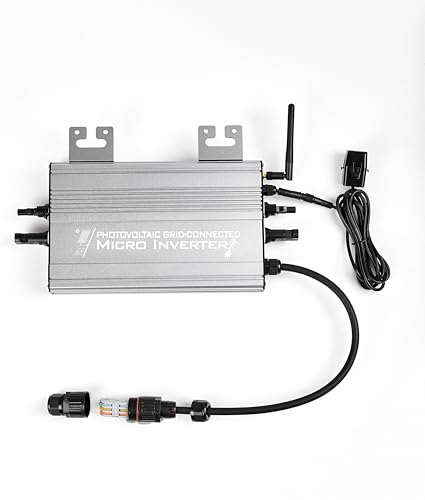
POWLSOJX Micro Grid-Tie Inverter with Battery Storage,Multiple Connection Modes,APP Control,20V-60V PV Input, 36V/48V Battery, 180-265VAC Output (UDM-GS) (1250W)
Compatible with main stream PV modules and batteries on the market:Max PV panel input: 2 * 750Wp, 36V…
As an affiliate, we earn on qualifying purchases.
As an affiliate, we earn on qualifying purchases.
Conclusion
So, now that you understand the inverter’s advantage, you realize it’s not just about efficiency or quiet operation. There’s a hidden power waiting to be accessed—one that could transform your energy experience forever. What if this small change could lead to bigger savings, smarter choices, and a more reliable system? The true potential of inverters is just beginning to reveal itself. Are you ready to discover what’s next? The future might depend on it.

2500W Pure Sine Wave Power Inverter with Transfer Switch, 12V DC to 120V AC Converter, Auto Switch to Shore Power, 5000W Peak, Remote LCD Controller, USB & Type-C for RV, Truck, Off-Grid Use
【12V DC TO 120V AC POWER CONVERSION – NO BATTERY INCLUDED】: This 2500W pure sine wave inverter converts…
As an affiliate, we earn on qualifying purchases.
As an affiliate, we earn on qualifying purchases.

SUNGOLDPOWER 10000W 48V Solar Inverter, Built-in 2 MPPTs, Max 200A Battery Charging, Split Phase AC Input/Output 120V/240V(settable),Pure Sine Wave (WiFi and BMS COMM) UL1741 SPH10048P
【All-in-one solar charge inverter】: SUNGOLDPOWER 10KW DC 48 volt Pure Sine Wave Solar Inverter Combined with Max. 200A…
As an affiliate, we earn on qualifying purchases.
As an affiliate, we earn on qualifying purchases.