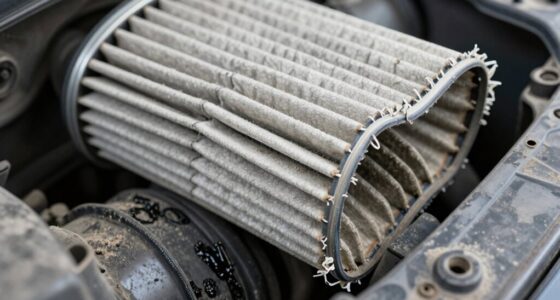
A clogged or improperly fitted condensate drain can cause more HVAC failures than you might think. Water backup leads to leaks, mold growth, and system stress, which reduces efficiency and shortens the equipment’s lifespan. Noises or water damage are common signs of trouble. Regular maintenance prevents these issues, but many homeowners overlook this essential step. Keep an eye on your drain, and if you want to understand how to avoid costly repairs, discover the details ahead.

Get backup power and energy gear delivered free — and shop member deals
- Fast, free delivery on millions of items
- Access to Prime Big Deal Days deals on October 6–7
- Prime Video, Amazon Music and more included
Key Takeaways
- Clogged or improperly installed condensate drains cause water backup, leading to system leaks and potential damage.
- Moisture buildup from drainage issues promotes mold growth, degrading indoor air quality and system longevity.
- Water leaks and blockages increase system strain, reducing efficiency and raising energy costs.
- Noises like gurgling indicate drainage problems that can cause further damage if ignored.
- Regular maintenance and timely repairs prevent costly damage and extend HVAC system lifespan.
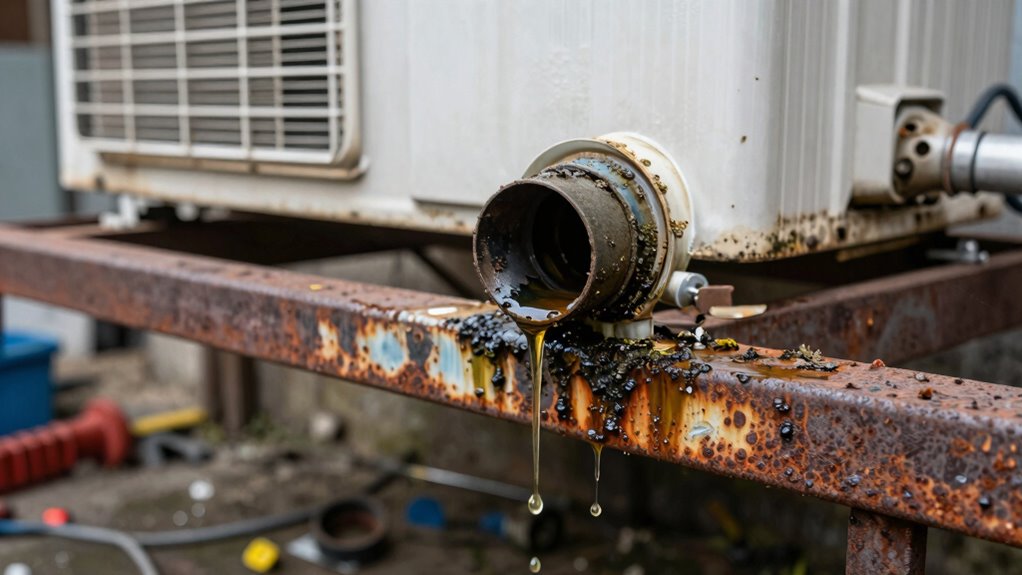
Have you ever noticed water leaking around your air conditioner or furnace? That’s often a sign of a condensate drain issue, and it can cause more trouble than you might think. When the drain gets clogged or improperly installed, it can lead to water backing up and leaking out, potentially damaging your equipment and your home. But beyond the obvious mess, these problems often impact the system’s performance in subtle ways, like airflow optimization and noise reduction. If your system isn’t draining correctly, it has to work harder to keep up with your comfort needs, which can reduce efficiency and increase energy bills. Regular maintenance, including checking for early warning signs, can help prevent these issues from escalating. A clogged condensate drain not only causes leaks but also affects the airflow inside your system. When moisture isn’t draining away properly, it can lead to increased humidity levels and the buildup of mold or mildew within the unit. This buildup can restrict airflow, making your system less effective at distributing conditioned air evenly through your space. Proper drainage is essential for maintaining optimal performance, and neglecting it can accelerate wear and tear on your HVAC components. Over time, this imbalance forces your system to run longer and harder to maintain the desired temperature, which wears out components faster and drives up energy costs. Proper airflow optimization involves ensuring the condensate drain remains clear so that moisture doesn’t interfere with air circulation, helping your system operate smoothly and efficiently. Additionally, moisture buildup can contribute to equipment corrosion, which shortens the lifespan of your HVAC system. Recognizing these issues early can save you from costly repairs and extend the life of your unit. Noise reduction is another aspect often overlooked when dealing with condensate drain problems. When the drain is clogged, water can back up and cause gurgling sounds or other strange noises that disrupt the quiet operation you expect from your HVAC system. These noises aren’t just annoying—they can also indicate a system under stress, which might lead to further damage if left unaddressed. Fixing the drain problem restores a quieter environment because the system can expel moisture as designed, eliminating those disruptive sounds. Keeping your condensate drain clear allows your HVAC unit to run more quietly, providing the comfort you paid for without unnecessary noise. Dealing with a condensate drain problem might seem straightforward, but it’s often overlooked until more serious issues develop. Regular maintenance, like inspecting and clearing the drain line, can prevent these problems from escalating. When you do this, you support not just the health of your equipment but also its ability to optimize airflow and operate more quietly. Proper drainage isn’t just about avoiding water damage—it’s a key part of keeping your HVAC system performing at its best. Addressing these issues promptly with proper maintenance can also prevent the buildup of harmful mold or mildew, which can compromise indoor air quality.
HVAC condensate drain cleaning kit
As an affiliate, we earn on qualifying purchases.
As an affiliate, we earn on qualifying purchases.
Frequently Asked Questions
How Can I Prevent Condensate Drain Issues Proactively?
To prevent condensate drain issues proactively, choose high-quality drain pipe materials like PVC or ABS, which resist corrosion and clogs. Follow installation best practices by ensuring proper slope, free of obstructions, and using a trap to prevent airlocks. Regularly inspect and clean the drain line, especially before the cooling season, to catch any potential problems early. These steps help keep your system running smoothly and avoid costly repairs.
What Are the Signs of a Failing Condensate Drain?
Did you know that 60% of air conditioning failures are due to condensate drain issues? If your system shows signs like water leaks, mold growth, or a musty smell, it’s a warning. You should perform leak detection and consider drain replacement before the problem worsens. Ignoring these signs can lead to water damage and costly repairs, so act quickly to keep your system running smoothly.
Are There Specific Types of Condensate Drains More Prone to Problems?
Certain drain pipe materials, like PVC or metal, are more prone to problems if not installed properly. PVC pipes can crack or clog if exposed to extreme temperatures or UV rays, while metal pipes may corrode over time. Installation errors, such as improper slope or inadequate sealing, markedly increase the risk of leaks and blockages. Make certain you select quality materials and have a professional handle installation to prevent common condensate drain issues.
How Often Should I Inspect or Clean My Condensate Drain?
Think of your condensate drain as the bloodstream of your AC—if it clogs, everything suffers. You should inspect and clean your drain every three to six months, paying close attention to drain pan maintenance and airflow restrictions. Regular checks prevent algae buildup and blockages, ensuring smooth drainage. Keep an eye out for standing water or foul odors, which signal it’s time for a thorough cleaning to keep your system healthy and efficient.
Can Condensate Drain Problems Cause Long-Term HVAC Damage?
Yes, condensate drain problems can cause long-term HVAC damage. When condensate materials build up or the drain design is flawed, water can leak and cause rust, mold, or electrical issues. Over time, these problems lead to costly repairs and reduced system efficiency. Regularly inspecting and cleaning your drain helps prevent clogs, ensuring proper drain function and protecting your HVAC system from long-term damage.
air conditioner condensate drain pan
As an affiliate, we earn on qualifying purchases.
As an affiliate, we earn on qualifying purchases.
Conclusion
If you ignore that condensate drain issue, you might find yourself caught in a mess worse than a 1920s speakeasy raid. Regular checks can save you a bundle and prevent water damage that turns your cozy spot into a disaster zone. Think of it like maintaining a trusty steamboat — neglect the drain, and you’ll be sailing into trouble. Keep an eye on it, and you’ll avoid the kind of headache that’d make even Gatsby’s parties seem tame.
As an affiliate, we earn on qualifying purchases.
condensate drain line repair kit
As an affiliate, we earn on qualifying purchases.
As an affiliate, we earn on qualifying purchases.
Fall Picks
fall essentials
As an affiliate, we earn on qualifying purchases.