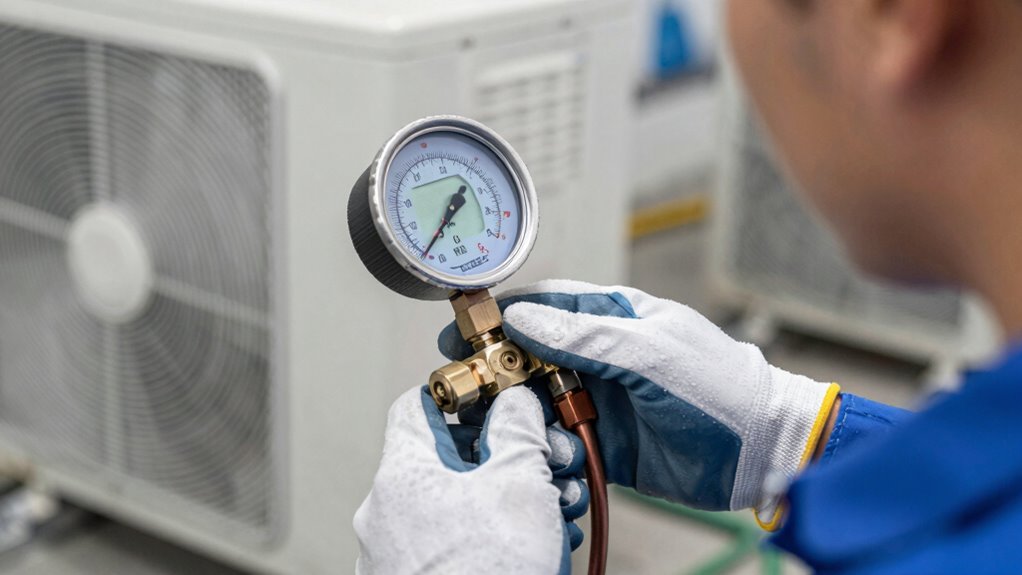

A proper refrigerant charge check is what separates good HVAC installs from bad ones. You need to verify refrigerant levels against manufacturer specs, using accurate pressure and temperature measurements. Leak detection and repairs are essential before recharging to prevent ongoing losses and damage. Good system calibration ensures efficient cooling, longer lifespan, and lower energy bills. If you want to discover the key steps to guarantee your system is correctly charged for peak performance, keep exploring.
Key Takeaways
- Accurate refrigerant level measurement against manufacturer specifications ensures proper system performance.
- Leak detection and repair are essential before recharging to prevent ongoing refrigerant loss.
- Proper calibration involves pressure and temperature checks, not just adding refrigerant.
- Overcharging or undercharging refrigerant leads to inefficiency and potential equipment damage.
- Regular system evaluation and adherence to regulations maintain optimal operation and installation quality.
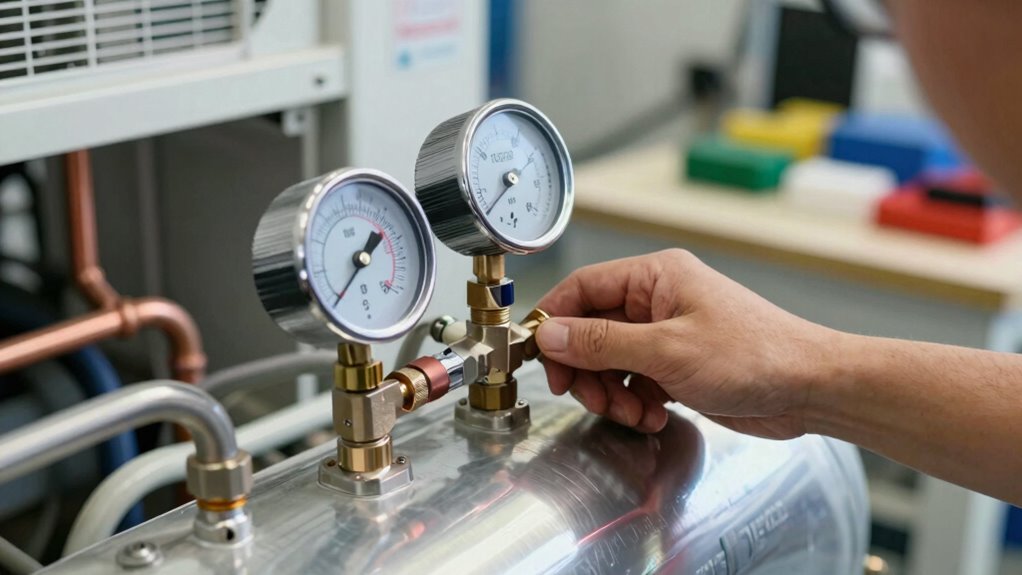
Have you ever wondered if your air conditioning system has the right amount of refrigerant? Proper refrigerant charge isn’t just about filling the system to a certain level; it’s a critical factor that determines the efficiency and longevity of your AC unit. When technicians perform a refrigerant charge check, they’re making sure the system is properly calibrated, which involves more than just adding or removing refrigerant. System calibration ensures that all components work together perfectly, providing the cooling performance you expect. If the system isn’t calibrated correctly, even a perfectly charged refrigerant level can lead to issues like inefficient cooling, increased energy bills, or premature equipment failure.
Proper refrigerant calibration ensures your AC runs efficiently and lasts longer, beyond just filling the system.
One of the most essential steps in a refrigerant charge check is leak detection. Leaks are the main cause of refrigerant loss over time and can be tricky to spot without proper tools. If refrigerant escapes, your system will struggle to reach and maintain the desired temperature, and you might notice inconsistent cooling or higher utility bills. Detecting leaks early allows you to address the root cause before more damage occurs. Modern leak detection methods, such as electronic leak detectors or ultrasonic testing, can identify even small leaks, saving you money and preventing environmental harm caused by refrigerant release.
When a technician performs a refrigerant charge check, they start by evaluating the system’s current calibration. They verify that the refrigerant level matches the manufacturer’s specifications, which are often detailed in the system’s service manual. This step involves measuring the refrigerant’s pressure and temperature, then comparing these readings against standard charts to confirm the correct charge. If the refrigerant level is off, the technician will add or remove refrigerant carefully, making sure not to overcharge or undercharge the system. Proper calibration is essential because an overcharged system can cause high pressure and compressor damage, while an undercharged system won’t cool effectively.
Leak detection plays a fundamental role here, too. Before adjusting the refrigerant, the technician will check for leaks. If a leak is found, simply topping off the refrigerant is a temporary fix that can worsen the problem. Instead, fixing the leak and then recharging the system ensures long-term performance. Proper refrigerant management combined with precise system calibration and thorough leak detection guarantees a refrigerant charge that maximizes efficiency, reduces energy costs, and prolongs your AC’s lifespan. This extensive approach, which includes proper system calibration, separates good installations from bad ones, ensuring your cooling system operates reliably season after season. Additionally, understanding the importance of refrigerant regulations can help ensure compliance with environmental standards and prevent potential penalties. Regular maintenance and accurate refrigerant measurements are key to maintaining optimal system performance and avoiding costly repairs, especially since vetted methods and tools can improve the accuracy of these measurements.

Elitech HVAC Gauge Set, Digital Manifold Gauge Set for HVAC & Automotive Systems, Supports 88 Refrigerants, DMG-2SE with 3 Color Hoses & 2 R410A Adapters
No More Guesswork or PT Charts: Stop slowing down system diagnostics with manual PT chart lookups and calculations….
As an affiliate, we earn on qualifying purchases.
As an affiliate, we earn on qualifying purchases.
Frequently Asked Questions
How Often Should Refrigerant Levels Be Checked During Installation?
You should check refrigerant levels during installation at least once after initial charging and again during final setup. Incorporate leak detection and safety precautions throughout to prevent leaks and guarantee proper operation. Regular checks help catch any issues early, maintaining system efficiency. Always follow manufacturer guidelines and safety protocols, and verify refrigerant levels as needed to ensure ideal performance and safety during and after installation.
What Tools Are Best for Measuring Refrigerant Charge Accurately?
You should use a digital manifold gauge set with a built-in refrigerant scale for accurate measurement, guaranteeing refrigerant safety during the process. These tools allow you to precisely measure the refrigerant charge and monitor pressure levels. When performing charge recovery, these gauges help prevent overcharging or leaks, maintaining system efficiency. Always double-check readings and follow manufacturer guidelines to ensure a safe, effective refrigerant charge, avoiding costly mistakes.
Can Incorrect Refrigerant Charge Cause Long-Term System Damage?
Yes, incorrect refrigerant charge can cause long-term system damage. Overcharging or undercharging can lead to refrigerant leaks, which not only harm the environment but also reduce system efficiency. When the refrigerant charge is off, your system has to work harder, increasing wear and tear on components. This strain can cause premature failures, costly repairs, and decreased longevity, emphasizing the importance of proper refrigerant levels for ideal system health.
How Does Refrigerant Type Affect Charging Procedures?
Ever wondered how refrigerant type impacts charging procedures? You need to understand refrigerant compatibility because different types, like R-22 or R-410A, require specific charging methods. Using the wrong procedures can lead to system inefficiency or damage. Always follow manufacturer guidelines for the exact refrigerant you’re working with. Properly matching refrigerant type to your system ensures peak performance and longevity, preventing costly repairs down the line.
What Are Common Signs of Improper Refrigerant Charge in a System?
You’ll notice signs of improper refrigerant charge through poor cooling performance, frequent system cycling, or ice buildup on coils. Leak detection becomes essential, as leaks can cause undercharging. You might also observe reduced compressor efficiency, leading to higher energy bills and potential damage. Always verify the refrigerant level accurately, as both overcharging and undercharging hinder system performance, emphasizing the importance of proper charge checks for maximum operation.
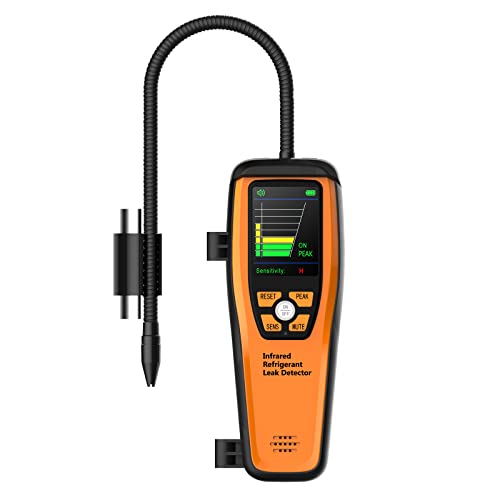
Elitech HVAC Refrigerant Leak Detector 10 Yrs Infrared Sensor Life, Halogen Freon Sniffer, Air Conditioning Detection, Automotive Gas Finder, ILD-200
Infrared Leak Detector: Compared with the heated diode leak detector, the infrared refrigerant leak detector has strong anti-interference…
As an affiliate, we earn on qualifying purchases.
As an affiliate, we earn on qualifying purchases.
Conclusion
By now, you see how essential a proper refrigerant charge check is—it’s the secret sauce that separates a stellar install from a botched one. Don’t let your hard work turn into a Dickensian nightmare of inefficiency. Stay diligent, follow the steps, and treat every job like a masterpiece. Remember, a well-charged system isn’t just good business; it’s your legacy. Keep at it, and you’ll always be the hero in this modern HVAC fairy tale.
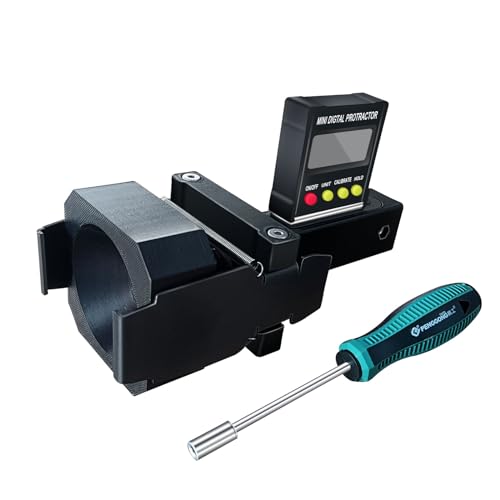
ADAS Calibration Dynamic ACC Positioning Tool for Eyeball Unit, Angso-auto Angle Leveling Tool Accessory for Auto
The ANGSO-AUTO leveling tool is designed to be powered by 2* AAA 1.5 V batteries (Please note that…
As an affiliate, we earn on qualifying purchases.
As an affiliate, we earn on qualifying purchases.

R134A AC Refrigerant Charge Hose Kit, 1/2’’ Self-Sealing Valve Can, and Recharge Hose with Pressure Gauge, Fits for Car AC Air Conditioning Refrigerant
Wide Compatibility — The AC recharge hose with gauge completed with R134A self-sealing refrigerant can opener tap dispensing…
As an affiliate, we earn on qualifying purchases.
As an affiliate, we earn on qualifying purchases.