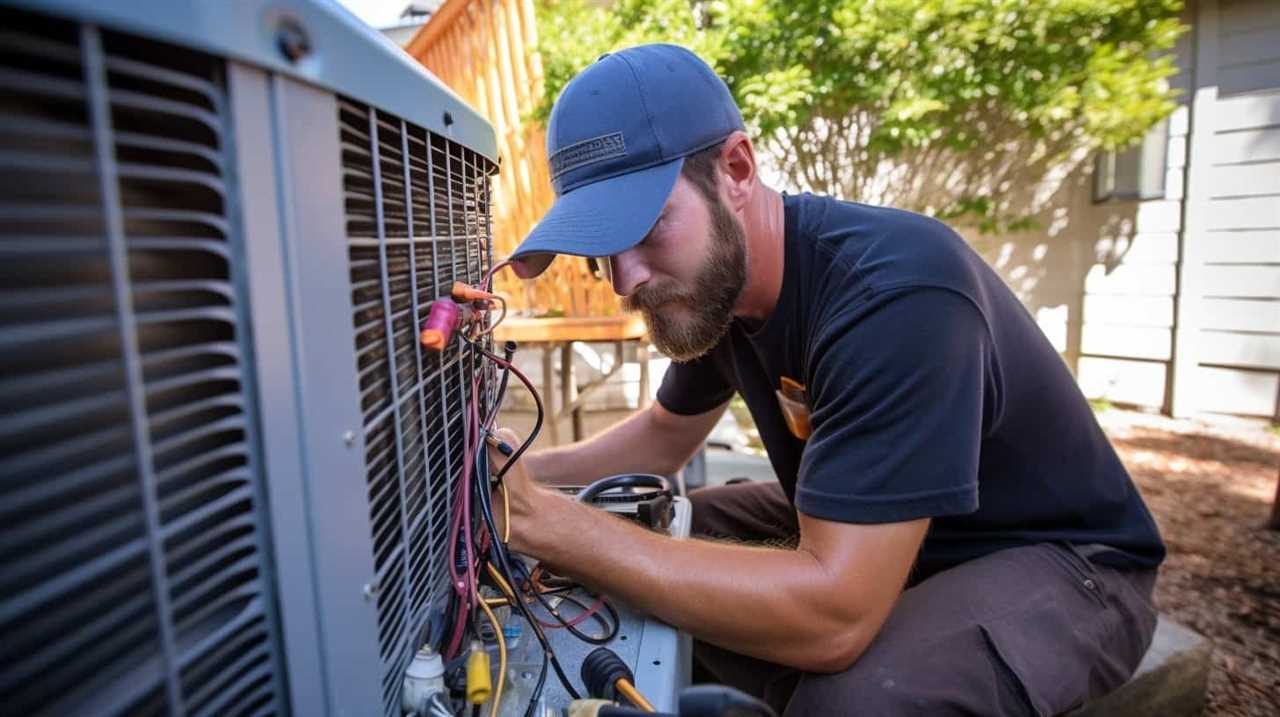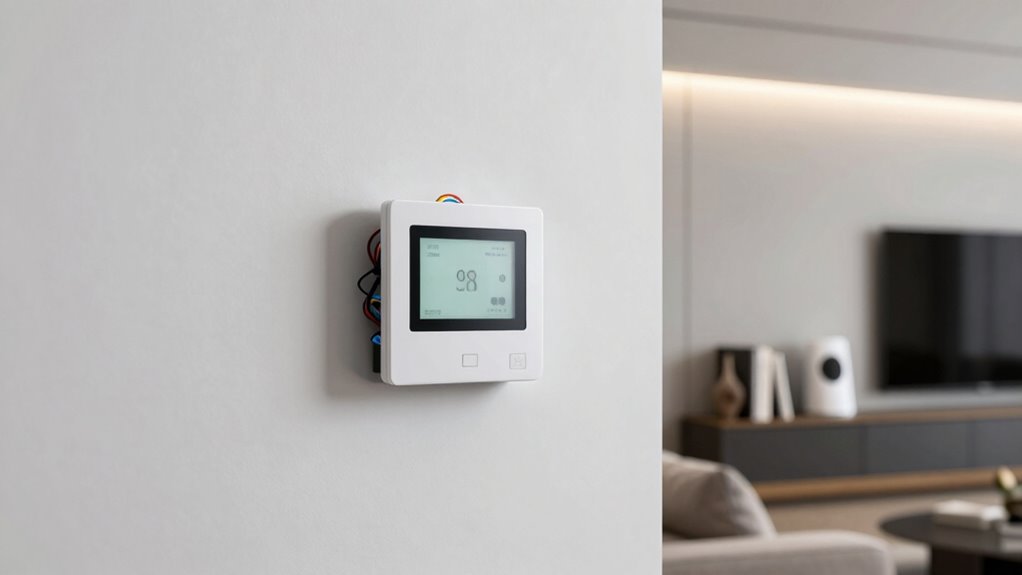

Poor sensor placement in your smart home can make the system seem unresponsive and unreliable. If sensors are poorly positioned, they might miss detecting your presence or trigger false alarms, causing frustration. This leads to energy waste and reduces trust in automation. When sensors are not properly installed, your home feels less intelligent and more “dumb.” Keep going, and you’ll discover how strategic placement can turn your system into a seamless, efficient smart home.
Key Takeaways
- Poor sensor placement causes false alarms or missed detections, reducing system reliability and making the home seem unresponsive.
- Improperly positioned sensors may trigger unnecessary energy use or ignore actual presence, diminishing efficiency and intelligence.
- Visible or intrusive sensors can evoke privacy concerns, undermining user trust and comfort in the smart home.
- Inaccurate sensor data hampers seamless automation, making the system appear dumb or malfunctioning.
- Neglecting sensor traits and optimal placement prevents the system from functioning as intended, reducing overall smart home effectiveness.

Have you ever wondered how smart homes accurately monitor your daily activities? The secret lies in the placement of sensors throughout your space. When sensors are strategically positioned, they can gather precise data that helps your home adapt to your routines, saving energy and enhancing comfort. But if sensor placement isn’t done carefully, your smart home can start feeling less intuitive and more frustrating—almost as if it’s not really that smart at all.
One major issue is that poorly placed sensors can trigger false alarms or miss important signals, making your system seem unreliable. For example, if motion sensors are installed in areas with frequent, unrelated movement, your heating or cooling might run unnecessarily, wasting energy. Conversely, if sensors are too sparse or located in awkward spots, they might not detect your presence, leading to missed opportunities for energy efficiency. You might find yourself manually adjusting settings more often, defeating the purpose of having a smart home in the first place.
Poor sensor placement causes false alarms, missed signals, and energy waste, undermining your smart home’s reliability and efficiency.
Privacy concerns also come into play with sensor placement. When sensors are placed too openly—or in areas where you expect privacy, like bedrooms or bathrooms—it can make you feel uncomfortable. You may worry about constant monitoring or data collection, especially if the sensors record more than just movement, such as sound or even images. Proper sensor placement, combined with thoughtful privacy controls, helps you strike a balance between enjoying automation and maintaining your privacy. For example, placing sensors in common areas, with clear notices about data collection, reassures you that your home isn’t constantly surveilled.
Energy efficiency hinges on how well sensors are positioned to detect activity accurately. When sensors are correctly placed, your smart home can optimize heating, cooling, lighting, and appliance use based on real-time occupancy. This prevents energy from being wasted in empty rooms or when you’re away. Conversely, if sensors are poorly placed, your home might overcompensate, running systems unnecessarily, or underperform, leaving you uncomfortable. Proper placement ensures your smart home makes precise adjustments, reducing waste and lowering your utility bills. Additionally, understanding sensor traits like range and sensitivity can help you better evaluate where to install them for optimal performance. Investing in advanced sensor technology can further enhance their accuracy and reliability, making your smart home even smarter.
Furthermore, understanding the traits of successful QA engineers like attention to detail and methodical testing can help ensure that your sensor systems are functioning optimally and accurately. Ultimately, sensor placement can make or break the perceived intelligence of your smart home. When done right, it creates an environment that’s responsive, energy-efficient, and respectful of your privacy. But neglecting these details can turn an innovative setup into a frustrating experience—making your smart home feel more “dumb” than intelligent. The key is understanding that thoughtful, strategic sensor placement is what transforms a collection of gadgets into a truly smart, seamless living space.

THIRDREALITY Zigbee Motion Sensor 2 Pack, Zigbee Hub Required, Pet Friendly, Work with Home Assistant,SmartThings, Aeotec,Homey, Hubitat or Echo Devices with Built-in Zigbee hub
- Zigbee Compatibility: Works with Zigbee hubs and Echo devices
- Create Custom Routines: Trigger routines with motion detection
- Smart Light Automation: Automatically control smart lights with motion
As an affiliate, we earn on qualifying purchases.
As an affiliate, we earn on qualifying purchases.
Frequently Asked Questions
How Often Should Sensors Be Recalibrated for Optimal Performance?
You should recalibrate your sensors at least once every six months to guarantee peak performance. Regular sensor calibration is essential for accurate readings, and it’s a key part of sensor maintenance. Keep an eye on any irregularities in sensor responses, and recalibrate more frequently if needed. Proper maintenance and calibration help prevent false alarms, improve automation, and keep your smart home running smoothly.
Can Sensor Placement Affect Privacy in Smart Homes?
Yes, sensor placement can affect privacy in smart homes. When sensors are positioned in private areas or sensitive spaces, they may raise privacy concerns and compromise data security. You should carefully consider where you place sensors to guarantee they only monitor necessary spaces, reducing risks of unauthorized access or breaches. Proper placement helps protect your privacy while maintaining the smart home’s functionality, giving you control over your data security.
What Are the Signs of Poor Sensor Placement?
Poor sensor placement often shows through inconsistent performance or false alarms, indicating miscalibration. You might notice privacy concerns arise if sensors are placed too openly or in private spaces, making you uncomfortable. Additionally, if sensors don’t respond as expected or miss key areas, it’s a sign they’re poorly positioned. Regularly checking calibration and adjusting placement can improve accuracy and ease privacy worries, making your smart home smarter and more comfortable.
Are There Legal Guidelines for Sensor Installation in Homes?
Yes, there are legal guidelines for sensor installation in homes. You need to guarantee legal compliance by following local laws regarding surveillance and data collection. Privacy concerns are key; avoid placing sensors where they could infringe on personal privacy, like bedrooms or bathrooms. Check regulations on audio or video recording, and obtain necessary consents if required. Staying informed helps you protect your privacy and avoid legal issues.
How Do Sensor Placement Issues Impact Energy Efficiency?
Ever wonder how sensor placement impacts your home’s energy efficiency? Poorly positioned sensors can cause inaccurate readings, leading to unnecessary energy use or missed opportunities to save. Proper sensor calibration guarantees they respond correctly, optimizing energy management. But do privacy concerns hold you back from strategic placement? Balancing efficiency and privacy is key; well-placed sensors reduce waste while respecting your privacy, making your smart home both smarter and more efficient.

Tapo Door Sensor Starter KIT, Matter Compatible, 3X Smart Door Window Contact Sensor and 1x Smart Hub with Built-in Chime, Smart Automation, Real-Time Notification, T31 KIT
- Includes Sensors and Hub: 3 contact sensors and 1 smart hub with chime
- Extended Range Protocol: Uses Sub-G protocol for longer range and battery life
- Real-Time Notifications: Alerts for door/window open or close events
As an affiliate, we earn on qualifying purchases.
As an affiliate, we earn on qualifying purchases.
Conclusion
When sensor placement isn’t just right, your smart home can feel like a silent witness lost in translation, missing the subtle cues that make it truly intuitive. Think of your sensors as the gentle whispers guiding your space—if they’re misplaced, it’s like trying to catch a breeze with a closed fist. With careful attention, you’ll turn your home into a seamless dance of comfort and intelligence, where every signal sings in harmony and feels effortlessly alive.

THIRDREALITY Zigbee Motion Sensor, Pet Friendly, Compatible with Home Assistant, SmartThings, Aeotec, Homey, Hubitat or Echo Devices with Built-in Zigbee Hub
- Zigbee Compatibility: Works with Zigbee hubs and Echo devices
- Create Custom Routines: Set routines triggered by motion detection
- Smart Light Control: Automatically turn on/off smart lights with motion
As an affiliate, we earn on qualifying purchases.
As an affiliate, we earn on qualifying purchases.

ENERLITES Low Voltage Ceiling Sensor Pir Occupancy Motion Detector, White
- 360° Motion Detection: Ceiling mounted PIR sensor with full coverage
- Energy Efficient Switch: Low voltage sensor consumes minimal energy
- Adjustable Settings: Time delay and sensitivity adjustable
As an affiliate, we earn on qualifying purchases.
As an affiliate, we earn on qualifying purchases.