To understand a commissioning report without HVAC expertise, focus on sections comparing actual system performance to expected benchmarks. Look for notes on inefficiencies, anomalies, or deviations that might signal issues. Pay attention to maintenance suggestions and energy-saving opportunities highlighted in the report. These clues help you assess how well your building’s systems are functioning and where improvements are needed. Keep exploring the details, and you’ll gain a clearer picture of your building’s performance.
Key Takeaways
- Focus on sections comparing actual system performance to design benchmarks to identify deviations.
- Look for clear summaries of issues, recommendations, and energy-saving opportunities highlighted in the report.
- Understand basic terminology like “performance benchmarks” and “system inefficiencies” to interpret findings.
- Review maintenance and adjustment suggestions to grasp operational improvements without technical details.
- Use visual aids like charts or summaries to quickly assess if systems meet industry standards.
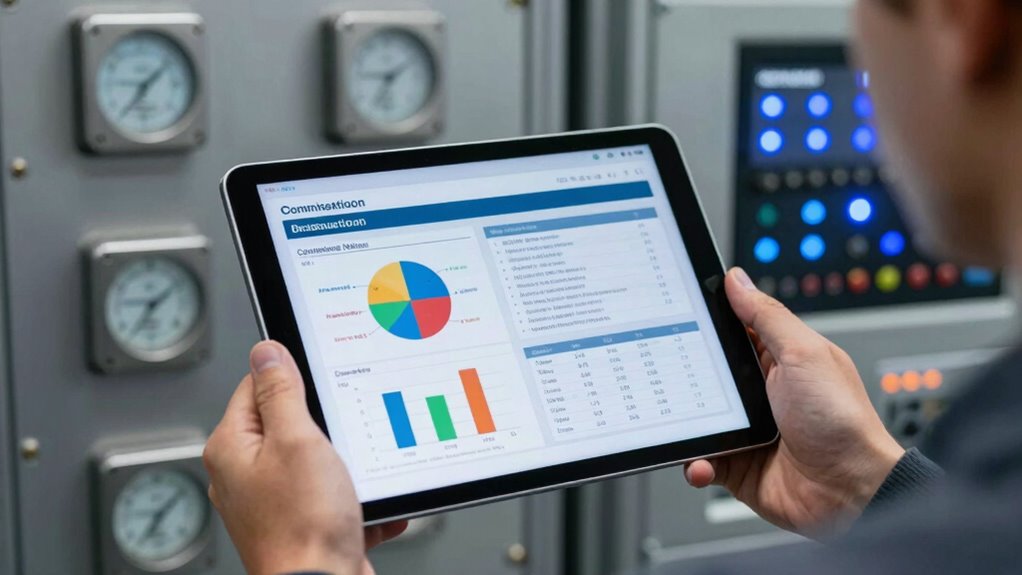
Ever wondered how to make sense of a commissioning report? If you’re not an HVAC pro, it can seem overwhelming at first, but understanding the basics can help you interpret the key information. One of the main goals of a commissioning report is to assess the energy efficiency of a building’s systems. You’ll find details about how well the heating, cooling, and ventilation systems are performing and whether they’re optimized for energy savings. Look for sections that compare actual performance against the design or expected benchmarks. If the systems are not operating efficiently, the report might recommend adjustments or upgrades to improve energy efficiency, which can save you money in the long run. Additionally, free floating systems and components can sometimes impact overall efficiency, so noting their status is important. Recognizing early warning signs can help identify potential issues before they become costly problems. Monitoring system performance is essential for maintaining optimal operation and catching inefficiencies early.
Understanding a commissioning report helps identify system performance issues and energy-saving opportunities for your building.
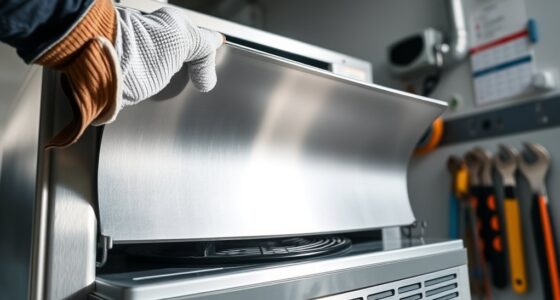
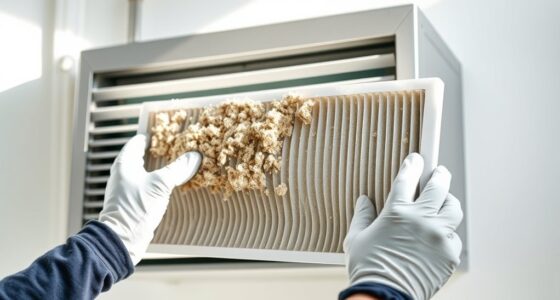
The report also emphasizes maintenance schedules, which are essential for keeping systems running smoothly. You should see clear recommendations on routine inspections, filter replacements, and other upkeep tasks. These schedules aren’t just about fixing problems after they happen; they’re designed to prevent issues before they start, ensuring your systems remain energy-efficient and reliable. When reviewing these schedules, pay attention to the suggested timelines and procedures. Proper maintenance keeps equipment operating at peak performance and helps avoid costly repairs or system failures down the line. Additionally, understanding performance benchmarks can help you gauge whether the systems are functioning as intended and meeting industry standards. Recognizing how energy performance is measured can further help you interpret whether the building’s systems are truly optimized.
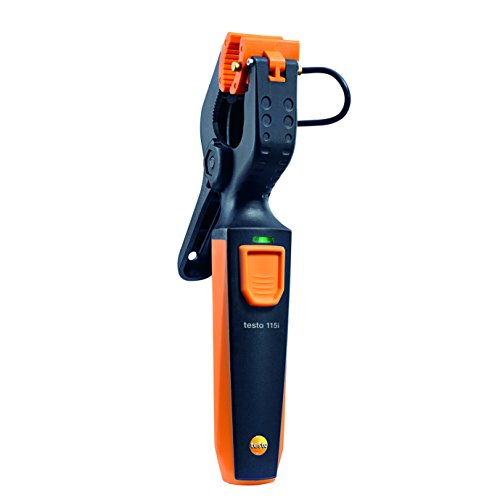
testo 115i Clamp Meter – Amp Clamp for Heating & Cooling Systems – HVAC Thermometer for in-Pipe Measurements & -58° to 302 °F Measurement Range – HVAC Temperature Probe with Bluetooth & App Operation
- Versatile HVAC Measurement: Ideal for heating and cooling systems
- Easy to Use: Quick pipe temperature measurement and data logging
- Accurate Readings: Grips pipes up to 1.5 inches with NTC sensor
As an affiliate, we earn on qualifying purchases.
As an affiliate, we earn on qualifying purchases.
Frequently Asked Questions
What Is the Typical Turnaround Time for Reviewing a Commissioning Report?
The typical turnaround for reviewing a commissioning report varies, but it usually takes about one to two weeks. During this time, you check equipment calibration details and understand report formatting, ensuring all systems meet performance standards. You might need extra time if the report is complex or requires clarification. Staying organized and focusing on key data helps speed up your review, making it easier to identify any issues promptly.
How Do I Identify Critical Issues in the Report?
You identify vital issues by focusing on system calibration, equipment efficiency, and performance deviations. Look for alarms, warnings, or notes highlighting calibration problems or inefficiencies. Cross-check data trends to spot inconsistencies, and prioritize issues that could impact safety, energy use, or system longevity. Highlight areas where performance doesn’t meet specifications, indicating potential failures or calibration needs, ensuring you address the most essential concerns first.
Can I Rely on the Report’s Recommendations Without Expert Advice?
You shouldn’t rely solely on the report’s recommendations without expert advice because technical jargon can be confusing, and report accuracy varies. While the report offers valuable insights, an HVAC professional‘s interpretation guarantees you understand complex issues and recommended solutions correctly. To make informed decisions, consider consulting an expert who can clarify technical details and verify that recommendations are appropriate for your specific system.
What Should I Do if I Find Discrepancies in the Report?
If you find discrepancies in the report, don’t ignore them—they’re like a flashing warning light. Contact the commissioning agent or HVAC professional to verify the issues, focusing on system calibration and report accuracy. Ask for clarification or a follow-up inspection to confirm everything’s correctly documented and calibrated. Addressing discrepancies promptly keeps your system running smoothly and guarantees the report truly reflects your building’s needs.
How Often Should Commissioning Reports Be Reviewed or Updated?
You should review commissioning reports annually or whenever there’s a significant change in your building’s systems. Regular reviews help guarantee energy efficiency and that maintenance schedules are up-to-date. By staying proactive, you can identify issues early, optimize performance, and save on energy costs. Keep records current, and don’t hesitate to consult with professionals if you notice discrepancies or areas needing improvement. This approach maintains system reliability and efficiency.

Treayes 15PCS Remover Building Blocks Tool Kit – 3 PCS Brick Separator, Blocks Tool Suit, Multi-Functional Hammer, Red Gift Ribbon, Pliers, Tweezers, Finger Protectors with Iron-Box (Blue)
- Complete Building Block Tool Set: Includes hammer, pliers, tweezers, and storage boxes
- Easy Disassembly and Installation: Professional tools for quick, pain-free building
- Finger Protectors and Storage: Five finger cots and organized iron-boxes for safety and convenience
As an affiliate, we earn on qualifying purchases.
As an affiliate, we earn on qualifying purchases.
Conclusion
Think of a commissioning report like a treasure map—you don’t need to be an expert to follow its clues. By paying attention to the key sections and asking the right questions, you can navigate confidently through the details. Remember, you’re the captain of this ship, steering through the technical waters. With a little practice, you’ll find the treasure of understanding, making informed decisions without needing to be an HVAC pro.

HVAC Inspection Checklist: HVAC Inspection Checklist Log Book | Heating & Cooling System Record Logbook | Maintenance Tracker Forms | 100 Pages
As an affiliate, we earn on qualifying purchases.
As an affiliate, we earn on qualifying purchases.

Finance Equations & Answers: a QuickStudy Laminated Reference Guide (Quick Study Academic)
As an affiliate, we earn on qualifying purchases.
As an affiliate, we earn on qualifying purchases.