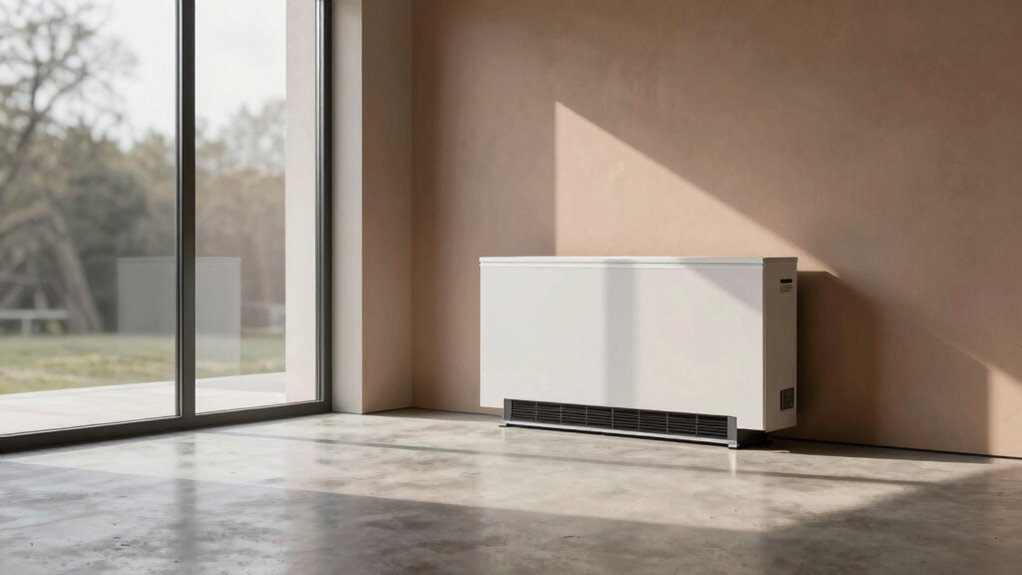

Your geothermal system stays quiet indoors because its main components are placed underground or inside insulated spaces, which blocks most noise. The indoor parts like compressors and pumps are installed in utility rooms or basements, using soundproofing and vibration damping techniques to prevent noise from spreading. Plus, without outdoor units, there’s no loud fans or condensers adding to the sound. If you want to discover more about how these systems maintain peace and quiet, keep exploring.

Get backup power and energy gear delivered free with Prime
- Fast, free delivery on millions of items
- Prime Video, Amazon Music and more included
- Member-only deals all year
Key Takeaways
- Underground placement of equipment isolates noise from living spaces, preventing sound transmission indoors.
- Indoor components are installed within insulated or soundproofed areas, reducing operational noise.
- Advanced technology, like variable-speed compressors and vibration damping, minimizes noise during operation.
- Absence of outdoor units eliminates outdoor noise sources like fans or condensers.
- Additional soundproofing measures, including vibration control and insulation, further enhance indoor quietness.
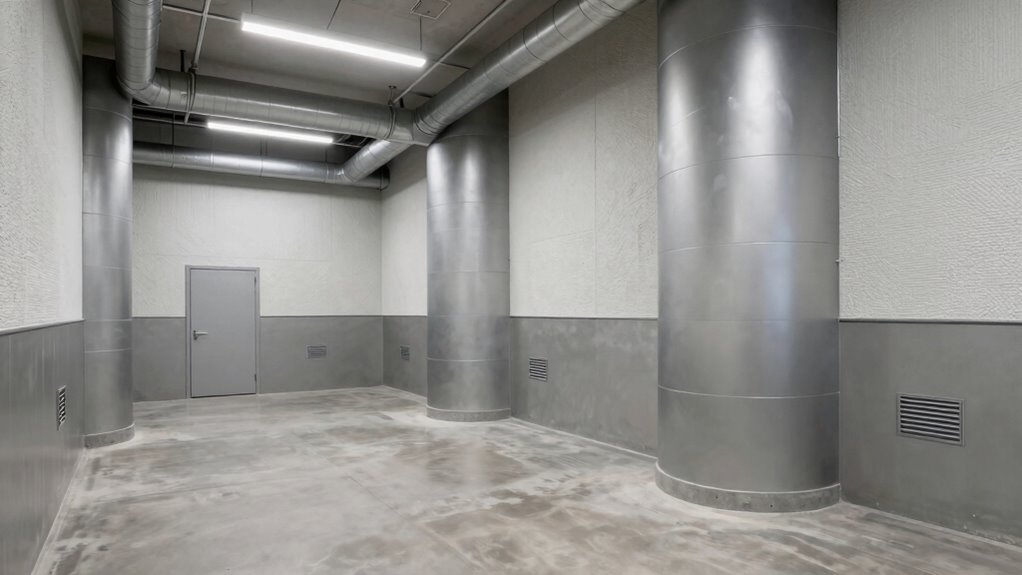
If you have a geothermal heating or cooling system installed indoors, you might notice some unexpected noises during operation. Unlike traditional HVAC systems, geothermal systems are designed to be incredibly quiet, and that’s no accident. One of the main reasons they operate so silently is their strategic use of geothermal soundproofing. By embedding the system’s main components underground or within insulated spaces, manufacturers reduce the transmission of noise and vibrations into your living areas. The underground loops, which carry the refrigerant or water, are typically located away from living spaces, preventing noise from traveling through walls or floors. This setup ensures that when the system runs, it doesn’t disturb your daily activities or sleep.
Geothermal soundproofing keeps your home peaceful by minimizing noise from underground loops and indoor components.
Indoor noise mitigation is a crucial aspect of geothermal system design. Because the compressor and pump units are often installed in dedicated utility rooms or basements, they can be isolated with soundproofing materials that absorb vibrations. These soundproofing measures prevent noise from resonating through structural elements, making the operation nearly inaudible in most rooms. Additionally, the quiet operation isn’t just about comfort — it also enhances your home’s overall ambiance by eliminating the typical hum or rattling associated with conventional HVAC systems. Proper installation and maintenance also play a role in maintaining this noise reduction, ensuring the system remains as quiet as intended. Incorporating soundproofing techniques can further amplify these benefits by reducing vibrations and noise transmission.
Another factor contributing to the quietness is the system’s use of variable-speed technology. Unlike traditional units that operate at a fixed capacity, modern geothermal systems adjust their output based on demand. This means the compressor runs at a lower speed most of the time, producing less noise. When combined with effective indoor noise mitigation strategies, such as vibration damping mounts and insulated enclosures, the system becomes even quieter. The result: you get the benefits of efficient climate control without the constant background noise.
Furthermore, the absence of outdoor units like fans or condensers, which are common in air-source heat pumps, substantially reduces noise pollution. Since all the active components are contained within insulated indoor spaces or underground, you won’t hear the typical whine or hum that outdoor units sometimes produce. This design choice not only contributes to indoor silence but also minimizes outdoor noise disturbances for neighbors.
In essence, the combination of geothermal soundproofing techniques, strategic placement, and advanced technology ensures that your geothermal system operates quietly. You get to enjoy a comfortable indoor environment without the distraction of noise, making geothermal heating and cooling one of the most peaceful and efficient options available. Additionally, understanding how vibration control helps reduce operational noise can further improve your system’s quietness.
geothermal system soundproofing materials
As an affiliate, we earn on qualifying purchases.
As an affiliate, we earn on qualifying purchases.
Frequently Asked Questions
How Deep Are Geothermal Pipes Typically Installed?
Geothermal pipes are typically installed 4 to 6 feet deep, but this can vary based on local soil conditions and climate. You need to take into account geothermal pipe depth carefully because installation challenges, like rocky terrain or shallow bedrock, can complicate the process. Proper depth ensures efficient heat transfer and prevents freezing. You might face some installation challenges, but with proper planning, geothermal systems work quietly and effectively indoors.
Do Geothermal Systems Produce Any Operational Noise?
Imagine a peaceful lake, undisturbed by ripples—that’s how geothermal systems operate quietly indoors. They produce minimal operational noise due to vibration impact and effective noise mitigation measures. You won’t hear loud banging or humming, only the faint hum of pumps, which is often muffled by the ground and insulation. This quiet operation makes geothermal systems an attractive, eco-friendly choice for maintaining a peaceful, comfortable home environment.
Can Geothermal Noise Affect Nearby Homes?
Geothermal noise generally doesn’t affect nearby homes because it’s minimal and well-contained, making it environmentally friendly. The noise impact is usually negligible, but if it’s a concern, noise mitigation measures can be implemented to further reduce any disturbance. These steps help lessen the environmental impact, ensuring your geothermal system operates quietly and efficiently without disrupting the peace of surrounding residences.
What Maintenance Is Required to Keep Geothermal Quiet?
To keep your geothermal system quiet, you should regularly check vibration isolation components to prevent noise transmission. Guarantee insulation techniques are properly implemented around pumps and pipes to dampen sound and minimize vibrations. Schedule professional inspections annually to identify and address any issues early. Proper maintenance of these elements helps maintain a peaceful indoor environment, reducing noise and ensuring your geothermal system operates smoothly and quietly.
Are There Differences in Noise Levels Between Geothermal Types?
Ever wondered if different geothermal systems produce varying noise levels? Yes, they do. Closed-loop systems tend to be quieter because they have fewer moving parts and are better insulated against noise pollution. Open-loop systems might generate more sound due to water movement and pumps. Acoustic insulation around equipment also helps keep indoor noise levels low, ensuring your geothermal system remains a peaceful, silent energy source.
As an affiliate, we earn on qualifying purchases.
Conclusion
So, when you step inside a geothermal-powered space, it’s almost like the quietest sanctuary on Earth—so still, even the faintest whisper would need superhuman ears to detect. Thanks to your geothermal system’s smooth operation and strategic design, you won’t be bothered by loud machinery or disruptive noises. It’s as if the very essence of serenity has been bottled up and poured right into your home, creating an oasis of tranquility that’s truly out of this world.
vibration damping mounts for HVAC
As an affiliate, we earn on qualifying purchases.
As an affiliate, we earn on qualifying purchases.
As an affiliate, we earn on qualifying purchases.
Fall Picks
fall essentials
As an affiliate, we earn on qualifying purchases.