
When considering heat pumps for historic retrofits, focus on balancing energy efficiency with preserving aesthetic and historic integrity. Proper sizing, discreet placement, and seamless integration with existing structures are essential to avoid damaging or altering authentic features. Make sure to follow local regulations and use conservation-friendly materials. Modern, slim-profile units or concealed options can blend in without detracting from the building’s charm. To learn how to implement these strategies effectively, keep exploring ways to honor your building’s character while upgrading its comfort.

Get backup power and energy gear delivered free — and shop member deals
- Fast, free delivery on millions of items
- Access to Prime Big Deal Days deals on October 6–7
- Prime Video, Amazon Music and more included
Key Takeaways
- Ensure proper sizing and installation to maintain historic integrity and optimize efficiency.
- Select discreet or concealed units to minimize visual impact on historic architecture.
- Follow local preservation regulations and guidelines to balance retrofit benefits with conservation standards.
- Use eco-friendly materials and methods that preserve the building’s authentic materials and craftsmanship.
- Integrate systems seamlessly to maintain both aesthetic appeal and functional performance.
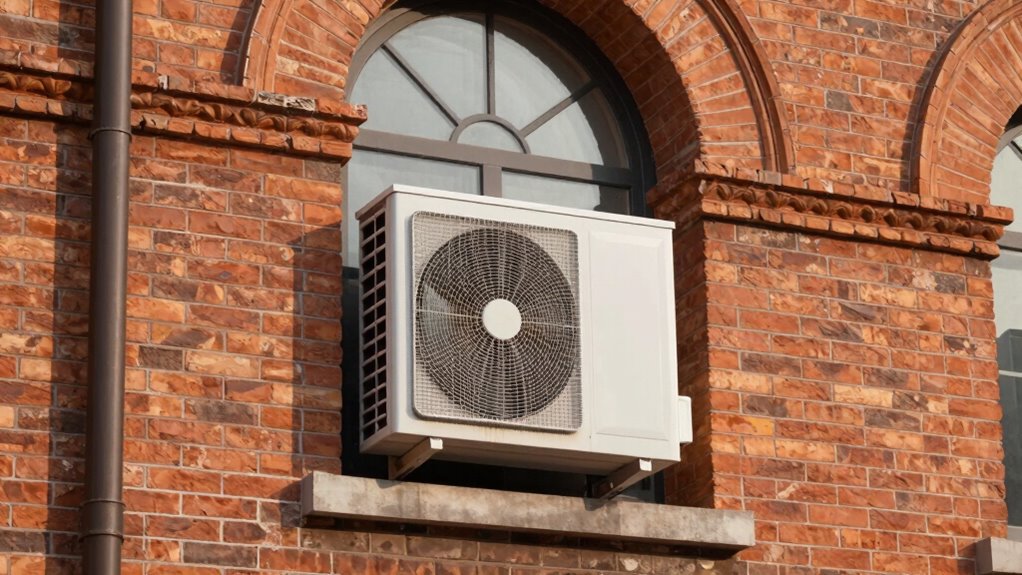
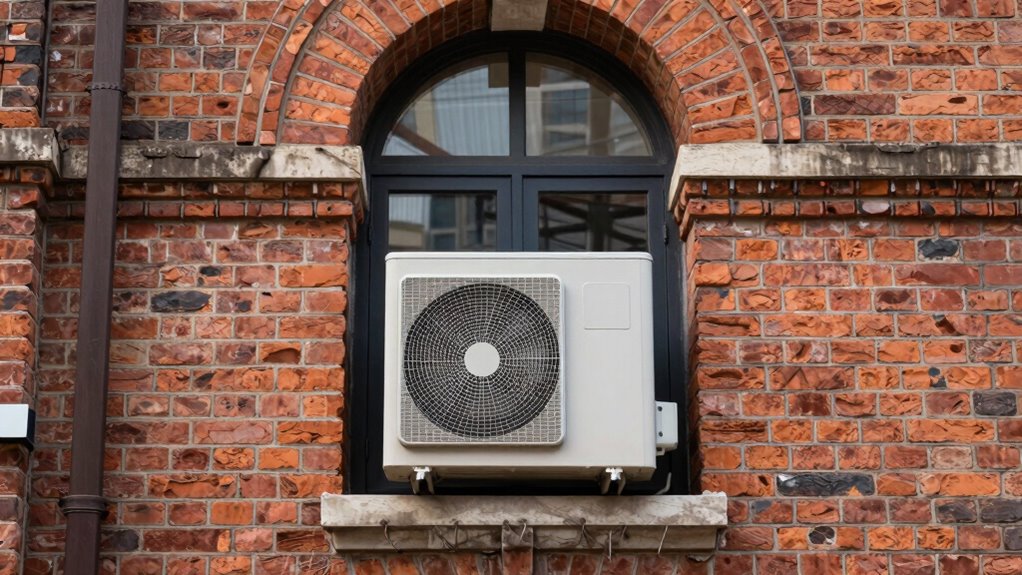
Are heat pumps a viable option for historic retrofits? It’s a question many property owners and preservationists ask when considering modern upgrades to old buildings. The key is balancing the benefits of energy efficiency with the need to maintain aesthetic integrity. Heat pumps offer a compelling way to improve a building’s energy performance, but their installation and appearance can raise concerns about disrupting the historic character. You need to contemplate whether these systems can be integrated seamlessly, both visually and functionally, into your property’s unique architecture. Additionally, understanding the content formats available can help tailor solutions that respect both function and form. When evaluating heat pumps, energy efficiency is one of the biggest advantages. Unlike traditional heating and cooling systems that burn fossil fuels or rely solely on electric resistance, heat pumps extract heat from the outside air or ground, providing a more sustainable and cost-effective solution. They can notably reduce your energy consumption and lower utility bills over time, which is especially beneficial if retrofitting an older building with limited insulation or outdated systems. Plus, they’re capable of both heating and cooling, making them versatile for year-round comfort. However, to maximize these benefits, you must ensure proper sizing and installation, so the system operates efficiently without overloading the structure or compromising its historic fabric. Proper installation practices are essential to avoid damaging or altering historic materials during retrofit projects. A sustainable approach also involves selecting eco-friendly materials and methods to preserve the building’s authenticity. Incorporating energy-efficient equipment can further enhance the sustainability of retrofits and contribute to building conservation. Moreover, understanding the regulations surrounding historic preservation can help ensure that upgrades comply with local standards and guidelines. Aesthetic integration is another critical factor. Many older buildings feature distinctive architectural details, materials, and proportions that you want to preserve. Visible outdoor units, if not carefully chosen or positioned, can detract from the building’s historic charm. Fortunately, modern heat pump manufacturers now offer units designed to blend into their surroundings better, with slim profiles, discreet colors, or even concealed installation options. You might also consider strategic placement—such as on less visible facades or behind screens—to minimize visual impact. Inside, ductless heat pumps can be mounted unobtrusively and don’t require extensive ductwork, which helps maintain interior aesthetics. The goal is to select a system that enhances energy efficiency without sacrificing the building’s authentic look.
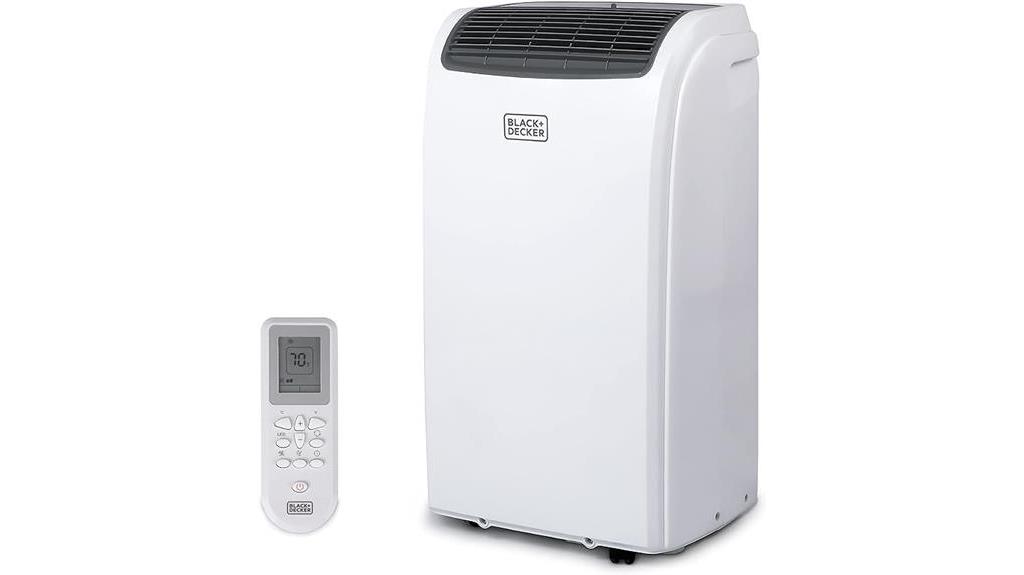
discreet heat pump for historic buildings
As an affiliate, we earn on qualifying purchases.
As an affiliate, we earn on qualifying purchases.
Frequently Asked Questions
Are Heat Pumps Suitable for All Historic Building Types?
Heat pumps aren’t suitable for all historic building types, especially when considering historical preservation and aesthetic compatibility. You need to evaluate each building’s unique architecture and preservation guidelines. Some historic structures may require discreet, non-intrusive installations that don’t compromise aesthetic integrity. It’s essential to work with preservation experts and choose heat pump models that blend seamlessly, ensuring energy efficiency while maintaining the building’s historic character.
How Do Heat Pumps Impact the Historic Aesthetic?
You’ll be pleased to know heat pumps can be discreet, with modern designs minimizing visual impact. Notably, over 80% of historic building owners report minimal aesthetic disruption after installation. Heat pumps, when thoughtfully integrated, preserve aesthetic preservation by blending into existing architecture. Their low-profile units and customizable options ensure a subtle visual impact, allowing you to enjoy energy efficiency without compromising your building’s historic charm.
What Are the Long-Term Maintenance Requirements?
You’ll need to perform regular maintenance to keep your heat pump running efficiently, typically requiring system checks and filter replacements every few months. Maintenance frequency depends on system compatibility with your home’s existing infrastructure and local conditions. Keep an eye on electrical connections and refrigerant levels, and schedule professional inspections annually. Proper upkeep guarantees longevity, peak performance, and prevents costly repairs, making your historic retrofit more sustainable over the long term.
Can Heat Pumps Be Integrated With Existing Heating Systems?
Yes, you can integrate heat pumps with existing heating systems, but efficiency improvements depend on proper compatibility. You might face installation challenges, especially with older or historic systems, requiring careful planning and possibly system upgrades. It’s essential to evaluate your current setup and work with professionals to guarantee seamless integration, maximizing energy savings and comfort. With the right approach, heat pumps can enhance your home’s efficiency without sacrificing your historic character.
Are There Incentives for Retrofitting Historic Buildings With Heat Pumps?
Imagine retrofitting a historic building in your city; you might qualify for financial incentives aimed at promoting energy efficiency and historical preservation. Many programs, like federal tax credits or state grants, support installing heat pumps in historic buildings, ensuring you meet preservation standards while reducing energy costs. These incentives make it more affordable to upgrade heating systems without compromising the building’s historic character, encouraging sustainable and respectful renovations.
As an affiliate, we earn on qualifying purchases.
Conclusion
As you consider integrating heat pumps into historic retrofits, remember that blending innovation with tradition isn’t just a choice—it’s a dialogue between the past and future. Think of it as weaving a delicate tapestry where every thread matters, honoring heritage while embracing progress. With thoughtful planning, you can preserve the soul of historic spaces while reaping modern comfort. After all, isn’t the beauty of progress found in respecting what came before?
concealed outdoor heat pump unit
As an affiliate, we earn on qualifying purchases.
As an affiliate, we earn on qualifying purchases.
eco-friendly retrofitting materials
As an affiliate, we earn on qualifying purchases.
As an affiliate, we earn on qualifying purchases.
Fall Picks
fall essentials
As an affiliate, we earn on qualifying purchases.