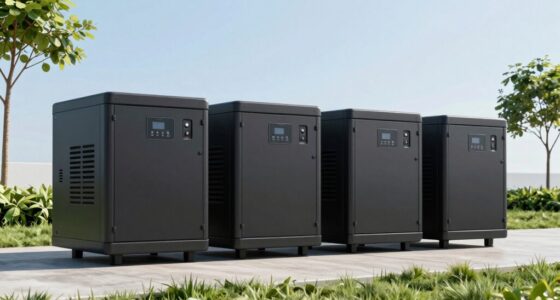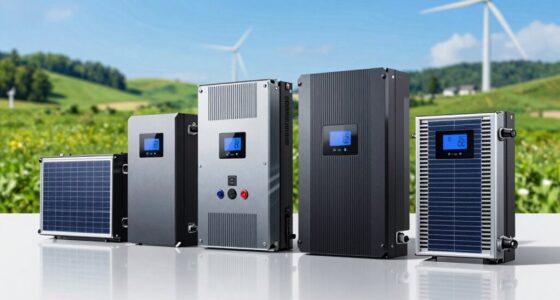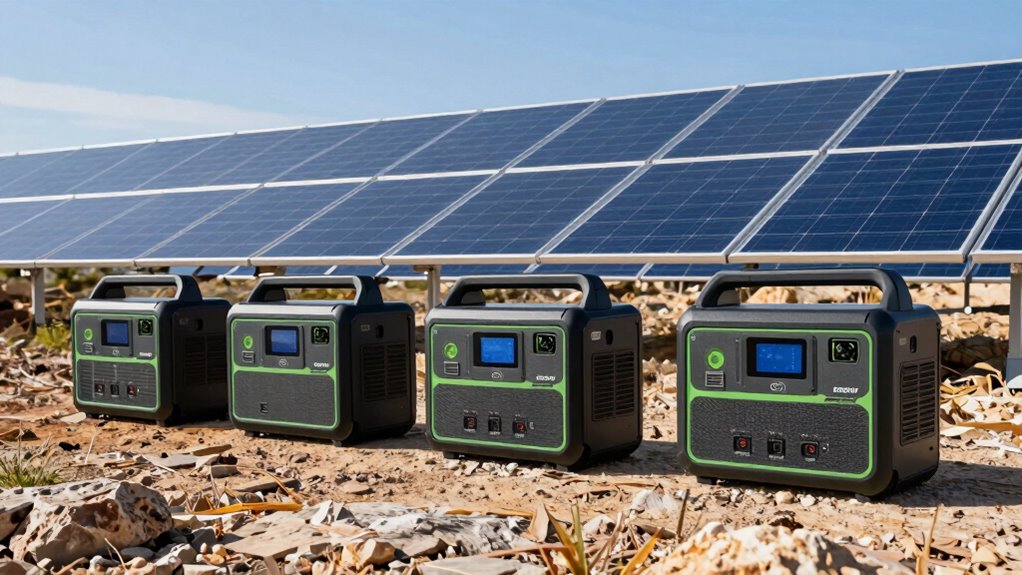

Choosing the right 2000W solar generator depends on your specific needs, whether for camping, home backup, or professional use. Among the top picks are the ABOK Ark2000, which offers the highest capacity and expandability; the EBL 2400W, known for its reliability and durability; and the OUPES Mega 1, with fast recharge times and modular design. Each balances different tradeoffs—higher capacity often means more weight, while compact models may sacrifice some power or expandability. Here’s what you need to know to make an informed decision in 2026.
Open a free Amazon Business account
Business pricing, bulk buying and tax-exempt orders.
Create a free accountAs an affiliate, we earn on qualifying purchases.
Complete the kit


Key Takeaways
- The ABOK Ark2000 provides the highest capacity and expandability but is heavier and pricier.
- The EBL 2400W excels in durability and long-term use, suitable for serious outdoor or home backup needs.
- The OUPES Mega 1 combines fast recharging with modular expansion, ideal for professionals or off-grid enthusiasts.
- Portability varies widely; lighter units like Jackery offer ease of transport but less capacity.
- Pricing reflects capacity, durability, and features—higher-capacity units tend to be more expensive.
| ABOK Ark2000 1536Wh 2000W Power Station with Asp200 200W Solar Panel |  | Best Overall for Capacity and Expandability | Wattage: 2000 watts | Battery Capacity: 1536Wh, expandable to 4608Wh | Battery Type: LiFePO4 | VIEW ON AMAZON | See Our Full Breakdown |
| EBL 2400W Portable Power Station LiFePO4 Battery for Home Use |  | Best for Durability and Long-Term Reliability | Capacity: 1843.2Wh | Power Output: 2400W | Battery Type: LiFePO4 | VIEW ON AMAZON | See Our Full Breakdown |
| OUPES Mega 1 Portable Power Station 1024Wh 2000W (4500W Surge) |  | Best for Fast Recharge and Modular Expansion | Capacity: 1024Wh | Peak Power: 4500W | Continuous Power: 2000W | VIEW ON AMAZON | See Our Full Breakdown |
| Anker SOLIX S2000 Portable Power Station, 2010Wh, 3000W Peak, Home Backup |  | Best for Home Backup & Portability | Capacity: 2010Wh | Peak Power: 3000W | Continuous Power: 1500W | VIEW ON AMAZON | See Our Full Breakdown |
| Jackery Solar Generator 1000 v2 with 200W Solar Panel, 1070Wh, 1500W AC |  | Best for Portability and Camping | Capacity: 1070Wh | Peak Power: 1500W | Runtime: 2 hours at full load | VIEW ON AMAZON | See Our Full Breakdown |
| 2000w solar generator | Weight | Capacity | Solar Input | Peak Power |
|---|---|---|---|---|
| ABOK Ark2000 1536Wh 2000W Powe | Heavy | — | Up to 200W | — |
| EBL 2400W Portable Power Stati | 55 pounds | 1843.2Wh | — | — |
| OUPES Mega 1 Portable Power St | — | 1024Wh | — | 4500W |
| Anker SOLIX S2000 Portable Pow | 35.7 lbs | 2010Wh | Up to 400W | 3000W |
| Jackery Solar Generator 1000 v | 23.8 lbs | 1070Wh | 200W | 1500W |
More Details on Our Top Picks
ABOK Ark2000 1536Wh 2000W Power Station with Asp200 200W Solar Panel
The ABOK Ark2000 stands out for its impressive 1536Wh capacity and support for up to 200W solar input, with the ability to expand capacity up to 4608Wh. This makes it ideal for those needing long-lasting power, such as off-grid living or extended camping trips. Compared to other models, its durable LiFePO4 cells support over 4000 cycles, promising a long service life. However, its weight and larger size could be a drawback for those seeking lightweight portability, and the price is on the higher side, especially when considering optional batteries.
Pros:- High-capacity, expandable battery for long-lasting power
- Supports rapid solar recharging up to 1200W
- Multiple output ports including AC, USB, and 12V
- Long cycle life of 4000+ cycles
Cons:- Bulky and heavy for portable use
- Additional batteries sold separately
- Higher price point
Best for: Long-term off-grid living or extensive outdoor use
Not ideal for: Lightweight travelers or budget-conscious buyers
- Wattage:2000 watts
- Battery Capacity:1536Wh, expandable to 4608Wh
- Battery Type:LiFePO4
- Cycle Life:4000+ cycles
- Solar Input:Up to 200W
- Weight:Heavy
Our verdict“This model is a top choice for those prioritizing capacity and expandability over portability.”
EBL 2400W Portable Power Station LiFePO4 Battery for Home Use
The EBL 2400W offers a robust 1843.2Wh capacity with a 2400W continuous output, making it perfect for home backup or demanding outdoor applications. Its LiFePO4 battery promises over 3500 cycles, ensuring many years of service. Despite its high capacity, at 55 pounds, it’s less suited for frequent transport, but its safety features and fast charging make it a reliable choice for heavy-duty use. It’s a smart pick for users who need a durable, long-lasting power source without sacrificing capacity.
Pros:- High-capacity battery with long cycle life
- Supports fast charging and multiple ports
- Safe, flame-retardant design with protection features
- Reliable for long-term outdoor or emergency use
Cons:- Heavy and less portable
- Large size may require significant storage space
- Higher price compared to smaller units
Best for: Home backup and outdoor heavy-duty use
Not ideal for: Lightweight portability or quick weekend trips
- Capacity:1843.2Wh
- Power Output:2400W
- Battery Type:LiFePO4
- Charge Cycles:Over 3500
- Dimensions:16.9″ x 11.8″ x 11″
- Weight:55 pounds
Our verdict“Ideal for users needing a durable, high-capacity power station for extended use, less suited for portability.”
OUPES Mega 1 Portable Power Station 1024Wh 2000W (4500W Surge)
The OUPES Mega 1 offers a compact 1024Wh capacity but compensates with rapid recharge times—0-80% in just 36 minutes—and the ability to expand capacity up to 5120Wh. Its professional-grade 2000W continuous output, combined with UPS protection and smart app control, makes it ideal for emergency preparedness, professional off-grid use, or those who want quick recharging and scalability. The tradeoff is its smaller base capacity, which may require expansion for extended use.
Pros:- Fast recharge times and quick top-ups
- Modular design for capacity expansion
- Professional-grade power with UPS protection
- Smart app control for remote monitoring
Cons:- Relatively high weight for its size
- Limited runtime at maximum load
- Premium price for advanced features
Best for: Professionals or users needing quick recharging and scalability
Not ideal for: Heavy-duty, long-term off-grid without expansion
- Capacity:1024Wh
- Peak Power:4500W
- Continuous Power:2000W
- Recharging Time:0-80% in 36 min
- Expansion:Up to 5120Wh
- App Control:Yes
Our verdict“This is a top choice for those needing quick recharge and scalable capacity, especially in emergency or professional scenarios.”
Anker SOLIX S2000 Portable Power Station, 2010Wh, 3000W Peak, Home Backup
The Anker SOLIX S2000 packs 2010Wh into a compact, lightweight design at just 35.7 pounds, making it highly portable. With a 3000W peak and 1500W continuous power output, it offers plenty of capacity for home backup or outdoor activities. Its robust battery supports over 10,000 cycles, promising a long service life. However, its slightly limited solar input capacity (up to 400W) and fewer outlets might restrict its use for larger setups or extensive device charging.
Pros:- High-capacity 2010Wh battery
- Lightweight and portable design
- Supports multiple recharging options
- Long cycle life of over 10,000 cycles
Cons:- Limited solar input capacity
- Fewer outlets for multiple devices
- Runtime varies depending on load
Best for: Home backup, portable outdoor use
Not ideal for: Extended off-grid living requiring larger capacity
- Capacity:2010Wh
- Peak Power:3000W
- Continuous Power:1500W
- Weight:35.7 lbs
- Solar Input:Up to 400W
- Cycle Life:10,000+
Our verdict“A standout for portability and long-term durability, best suited for home backup or portable outdoor use.”
Jackery Solar Generator 1000 v2 with 200W Solar Panel, 1070Wh, 1500W AC
The Jackery Solar Generator 1000 v2 offers a portable, lightweight option with 1070Wh capacity and 1500W AC output, making it ideal for camping and short-term emergencies. Its fast charging capabilities enable it to recharge in about an hour, and with a 200W foldable solar panel, setup is straightforward. However, its smaller capacity means it’s less suited for long-term power needs or heavy device loads, and runtime at full load is limited to approximately 2 hours.
Pros:- Lightweight at under 24 pounds
- Fast recharge time
- Multiple port options including USB-C
- Easy to transport with foldable handle
Cons:- Limited runtime at high load
- Smaller capacity for extended use
- Solar panel and generator sold separately
Best for: Camping, short-term outdoor activities
Not ideal for: Heavy-duty off-grid or long-term backup
- Capacity:1070Wh
- Peak Power:1500W
- Runtime:2 hours at full load
- Weight:23.8 lbs
- Solar Input:200W
Our verdict“This is an excellent portable choice for campers and outdoor enthusiasts needing quick recharging and compact size.”
How We Picked
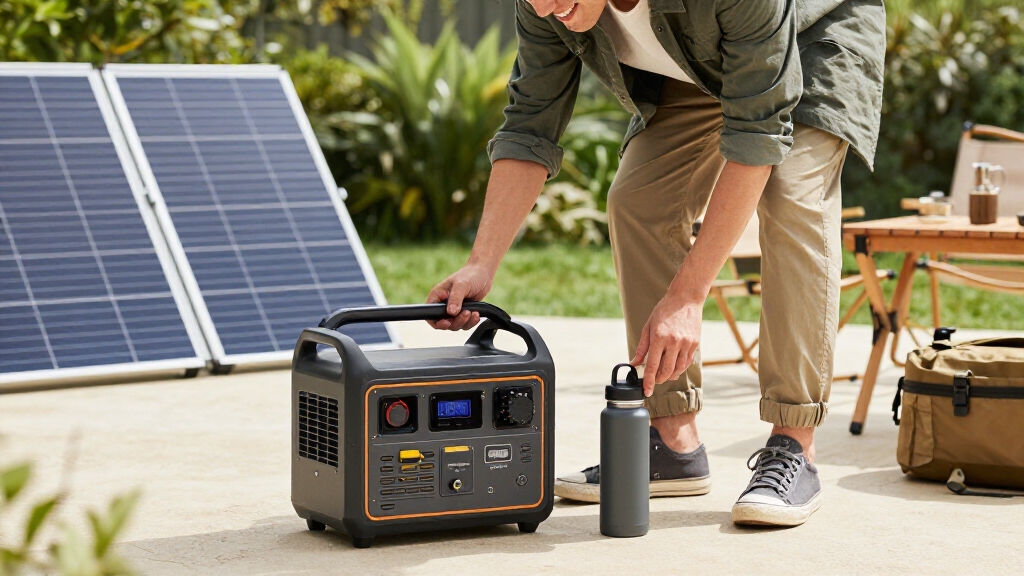
Our selection focused on a blend of power output, capacity, expandability, portability, and build quality. We prioritized models with a true 2000W continuous output, considering whether their features match typical use cases like camping, home backup, or professional off-grid work. Durability, battery lifespan, recharging speed, and additional ports were key factors. We also balanced weight and size, ensuring options for both portable and stationary needs. Price was considered as a reflection of value, especially in relation to capacity and features.
Factors to Consider When Choosing 2000w Solar Generator
When selecting a 2000W solar generator, consider your main use case: do you need maximum capacity for long-term off-grid living, or portability for outdoor adventures? Think about the weight and size, especially if you’ll be moving the unit frequently. Battery chemistry impacts lifespan and safety—LiFePO4 batteries tend to last longer and are safer. Recharging options, expansion capabilities, and port variety also influence your overall experience. Matching these factors with your specific needs helps ensure you choose the right model.
Capacity and Power Output
Look for a generator that offers a reliable continuous power output of 2000W to handle most appliances and devices. Capacity, measured in watt-hours, determines how long your devices can run. Larger capacity units like the ABOK Ark2000 or EBL 2400W are better for extended use but tend to be heavier and more expensive. Smaller, portable units like Jackery excel for short-term or outdoor use but may not sustain longer power needs.
Portability and Size
If you plan to move your generator often, weight and size are key. Units like the Jackery Solar Generator offer excellent portability at under 25 pounds. Conversely, higher-capacity models with larger batteries, like the EBL 2400W, can weigh over 50 pounds, making them less convenient for frequent transport. Consider whether you need a stationary backup or something you can carry easily.
Battery Chemistry and Lifespan
LiFePO4 batteries dominate the market for longevity and safety. They support thousands of charge cycles—often over 3500—making them suitable for long-term, repeated use. Cheaper lithium-ion batteries may degrade faster and pose safety risks. If you plan to use your generator regularly over several years, investing in a LiFePO4-based model is wise.
Recharging and Expansion
Fast recharging capabilities, such as the OUPES Mega 1’s 0-80% in 36 minutes, are beneficial if you need quick turnaround times. Many units support solar charging, but input wattage varies—lower wattage inputs mean longer recharging times. Modular designs that support capacity expansion give you flexibility for future needs, especially if your power demands grow or you want to scale up for off-grid living.
Frequently Asked Questions
How long does a 2000W solar generator typically last?
The lifespan of a 2000W solar generator largely depends on the battery chemistry and usage. LiFePO4 batteries, such as those in most high-quality models, can support over 3500 to 10,000 charge cycles, translating to many years of regular use. The actual runtime depends on the load—smaller devices will run longer, while high-power appliances will drain the battery faster. Proper maintenance and avoiding deep discharges extend the overall life of the unit.
Can I expand the capacity of these generators?
Many models, like the ABOK Ark2000 and OUPES Mega 1, support modular expansion, allowing you to increase their capacity as your needs grow. This feature is especially useful for off-grid setups or professional use where power demands might increase over time. However, expansion options vary by model, and some units may require additional accessories or batteries, which can add to the overall cost.
Are these generators suitable for home backup use?
Yes, several of these options, particularly the EBL 2400W and Anker SOLIX S2000, are designed with home backup in mind. They offer enough capacity and power to run essential appliances during outages. Their pure sine wave output ensures safe operation for sensitive electronics. Keep in mind, larger capacity and higher wattage units tend to be heavier and less portable, so consider your space and mobility needs.
How fast can these generators recharge via solar?
Recharge times vary depending on the model and solar input wattage. For example, the OUPES Mega 1 can recharge from 0-80% in just 36 minutes with compatible solar panels, making it ideal when quick recharging is needed. Other units like the ABOK Ark2000 support up to 200W input, which means longer recharging times but potentially more flexibility with solar panel setups. Always check the maximum solar input supported before purchasing.
What should I consider when choosing between these generators?
Focus on your primary use: if you need maximum capacity and expandability, the ABOK Ark2000 is a strong choice. For portability and outdoor adventures, the Jackery or Anker units are ideal. For professional or emergency use requiring fast recharge and scalability, the OUPES Mega 1 is compelling. Always weigh factors such as weight, capacity, recharging speed, and price to match your specific needs—this way, you’ll select a model that fits your lifestyle and budget.
Conclusion
For those seeking long-term off-grid power or home backup, the ABOK Ark2000 and EBL 2400W stand out for their capacity and durability, though they are less portable. Outdoor enthusiasts and campers will appreciate the Jackery 1000 v2 for its lightweight design, while professionals requiring quick recharging and modularity should consider the OUPES Mega 1. Budget-conscious buyers might prioritize the Jackery or Anker units for their balance of portability and capacity, while those prioritizing longevity and expandability should lean toward the larger-capacity options.
Flea & tick season Picks
flea and tick prevention
As an affiliate, we earn on qualifying purchases.