
I’ve found four top low-maintenance standby generators for 2026 that deliver reliable power with minimal upkeep. The Generac CorePower kit, Generac 10kW model, WEN tri-fuel unit, and Honeywell 14kW generator all feature durable construction, smart monitoring, and quiet operation. They’re easy to install and maintain, offering peace of mind during outages. Keep going to discover detailed insights and tips to choose the perfect backup power solution for your needs.
Key Takeaways
- Look for models with extended maintenance intervals and automatic monitoring systems for effortless upkeep.
- Choose generators with durable, weather-resistant enclosures and high-quality construction to minimize repairs.
- Prioritize units with fuel options like natural gas or propane for reduced maintenance needs.
- Select models featuring quiet operation and easy installation for convenient use in residential settings.
- Opt for generators backed by comprehensive warranties (3-5 years) to ensure long-term reliability and support.
| Generac CorePower Generator Maintenance Kit |  | Best Maintenance Ease | Power Capacity: Not specified | Fuel Type Compatibility: Not specified | Connectivity/Monitoring: Not specified | VIEW LATEST PRICE | See Our Full Breakdown |
| Generac 10kW Home Standby Generator with Transfer Switch |  | Most Reliable Power | Power Capacity: 10kW | Fuel Type Compatibility: Not specified | Connectivity/Monitoring: Wi-Fi Mobile Link | VIEW LATEST PRICE | See Our Full Breakdown |
| WEN 14500-Watt Tri-Fuel Generator with Electric Start |  | Versatile Fuel Options | Power Capacity: 14,500 surge watts | Fuel Type Compatibility: Gasoline, Propane, Natural Gas | Connectivity/Monitoring: Not specified | VIEW LATEST PRICE | See Our Full Breakdown |
| Honeywell 14kW Home Standby Generator |  | Quiet Operation | Power Capacity: 14kW | Fuel Type Compatibility: Not specified | Connectivity/Monitoring: LCD monitor with multilingual display | VIEW LATEST PRICE | See Our Full Breakdown |
More Details on Our Top Picks
-
Generac Guardian 10kW Home Generator, Transfer Switch & WiFi Monitoring
- Remote Monitoring: Track generator performance remotely via Wi-Fi
- Whole House Power: Supports entire home during outages
- Durable Enclosure: Weather-resistant aluminum outdoor cover
As an affiliate, we earn on qualifying purchases.
Generac CorePower Generator Maintenance Kit
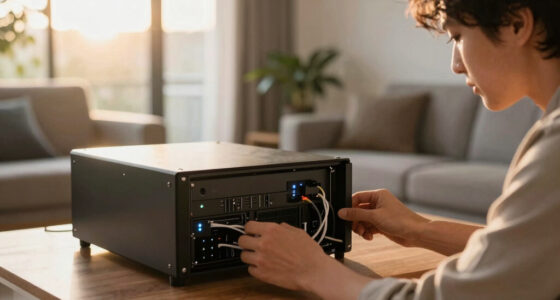
If you’re looking for a low-maintenance solution that keeps your Generac home standby generator running smoothly, the Generac CorePower Generator Maintenance Kit is an excellent choice. It includes all essential components for regular upkeep, ensuring your generator operates at peak performance. Designed specifically for Generac’s advanced V-8 engine, it promotes smooth and efficient operation while extending the unit’s lifespan. The kit’s durable, weather-resistant aluminum enclosure protects parts from environmental damage. Plus, safety features like low oil pressure and high-temperature protection add reliability. Its compact size makes storage and transport easy, making maintenance straightforward and hassle-free.
- Power Capacity:Not specified
- Fuel Type Compatibility:Not specified
- Connectivity/Monitoring:Not specified
- Enclosure Material:Aluminum
- Safety Features:Low oil pressure, high-temperature protection
- Warranty Period:Not specified
- Additional Feature:Weather-resistant aluminum enclosure
- Additional Feature:Low oil pressure protection
- Additional Feature:Compact, portable size
-
WEN 14500-Watt 120V/240V Tri-Fuel Generator, Transfer-Switch Ready with Electric Start and Wheel Kit (TF1450)
- Fuel Compatibility: Gasoline, propane, natural gas
- Power Output: 14500 surge, 11500 running watts
- Voltage Options: 120V and 240V
As an affiliate, we earn on qualifying purchases.
Generac 10kW Home Standby Generator with Transfer Switch
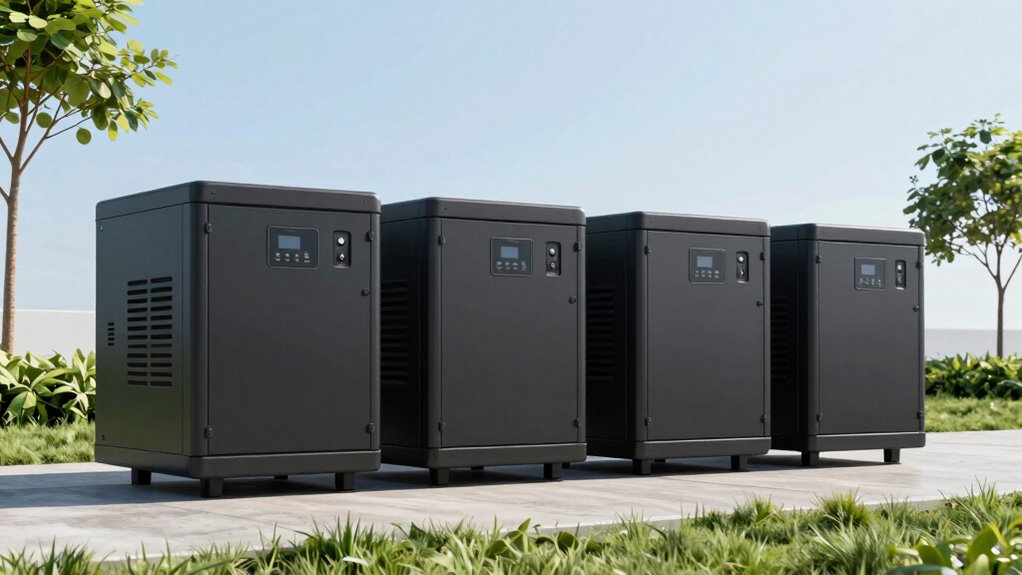
The Generac 10kW Home Standby Generator with Transfer Switch stands out as an excellent choice for homeowners seeking reliable, whole-house backup power with minimal maintenance. It delivers clean, stable power with true power technology, providing 10,000 watts of dependable energy during outages. Its low-maintenance G-Force Engine is built for durability, efficiency, and quiet operation. With Wi-Fi connectivity, you can monitor performance and receive alerts remotely. The included 100 Amp transfer switch allows seamless integration with your home system, while the durable aluminum enclosure ensures outdoor resilience. Backed by a 5-year warranty, this generator is a smart, low-maintenance investment in home protection.
- Power Capacity:10kW
- Fuel Type Compatibility:Not specified
- Connectivity/Monitoring:Wi-Fi Mobile Link
- Enclosure Material:Aluminum
- Safety Features:Not specified
- Warranty Period:5 years
- Additional Feature:Remote monitoring via Wi-Fi
- Additional Feature:5-year limited warranty
- Additional Feature:Sealed aluminum outdoor enclosure
-
Honeywell 14kW Home Standby Generator
- Power Quality: Less than 5% harmonic distortion
- Engine Type: G-Force pressure-lubricated engine
- Self-Test Mode: Quiet, low RPM testing for efficiency
As an affiliate, we earn on qualifying purchases.
WEN 14500-Watt Tri-Fuel Generator with Electric Start
For homeowners seeking versatility and reliable backup power, the WEN 14500-Watt Tri-Fuel Generator with Electric Start stands out by offering seamless fuel switching and robust performance. You can easily switch between gasoline, propane, and natural gas with a simple dial, ensuring flexibility during outages. It delivers up to 14,500 surge watts on gasoline and runs up to 12 hours on a full tank. Equipped with four outlets, transfer-switch readiness, and a 500cc engine with electric start, it’s designed for ease of use and dependability. Plus, the included accessories and three-year warranty make it a low-maintenance, versatile power solution.
- Power Capacity:14,500 surge watts
- Fuel Type Compatibility:Gasoline, Propane, Natural Gas
- Connectivity/Monitoring:Not specified
- Enclosure Material:Not specified
- Safety Features:Not specified
- Warranty Period:3 years
- Additional Feature:Multiple fuel options
- Additional Feature:Transfer-switch ready outlets
- Additional Feature:Includes accessories and portability kit
Honeywell 14kW Home Standby Generator
Looking for a standby generator that combines power quality with effortless operation? The Honeywell 14kW Home Standby Generator is a solid choice. It uses PrecisionPower Technology, delivering clean power with less than 5% harmonic distortion, perfect for sensitive electronics. Its G-Force Engine is built for reliability and needs less maintenance, saving you time. Thanks to Quiet-Test Self-Test Mode, it runs quieter and consumes less fuel during testing. The user-friendly Honeywell Sync Controller makes monitoring simple with its multilingual LCD. Plus, its tough aluminum enclosure with RhinoCoat finish ensures durability in all weather conditions. It’s a reliable, low-maintenance solution for home backup power.
- Power Capacity:14kW
- Fuel Type Compatibility:Not specified
- Connectivity/Monitoring:LCD monitor with multilingual display
- Enclosure Material:Aluminum with RhinoCoat finish
- Safety Features:Not specified
- Warranty Period:Not specified
- Additional Feature:Quiet-Test self-test mode
- Additional Feature:Multilingual LCD display
- Additional Feature:RhinoCoat powder-coated finish
Factors to Consider When Choosing a Low-Maintenance Standby Generator
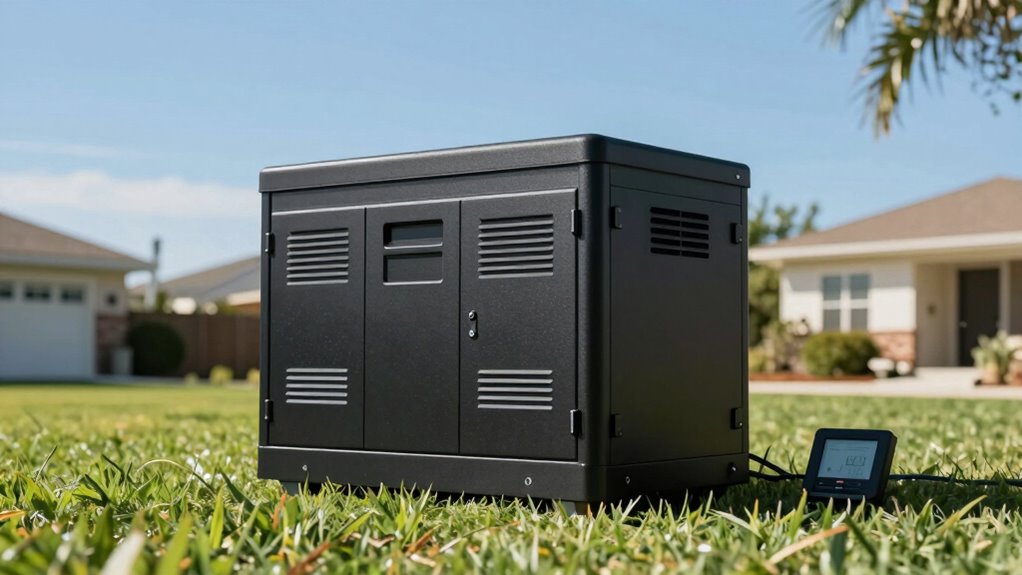
When selecting a low-maintenance standby generator, I consider factors like how much upkeep it requires and whether it fits my power needs. I also look at fuel options for convenience and cost, along with how easy it is to install and its durability for long-term use. By weighing these points, I can choose a generator that’s reliable and tailored to my situation.
Maintenance Requirements
Choosing a low-maintenance standby generator means prioritizing ease of upkeep, so it’s essential to evaluate the system’s design features and diagnostic capabilities. Many models require minimal routine checks, thanks to self-diagnostic systems that alert you when service is needed. They’re built with durable components like sealed engines and corrosion-resistant enclosures, reducing repair frequency. Regular oil changes and filter replacements are typically the main maintenance tasks, and some units offer extended intervals, saving time and effort. Advanced generators often include automatic transfer switches and remote monitoring, which cut down manual interventions and simplify maintenance. Selecting a generator with a reliable engine and high-quality construction can notably lower ongoing maintenance efforts and costs, ensuring your system stays operational with minimal fuss.
Power Capacity Needs
Evaluating your power capacity needs is a key step in selecting a low-maintenance standby generator. First, I recommend calculating the total wattage of your essential appliances and systems to guarantee the generator can handle your household’s demands. Consider whether you’ll need a higher surge wattage to manage the startup loads of large appliances like refrigerators or HVAC units. It’s also important to match the generator’s continuous running watts to your typical power consumption, so your backup remains reliable during outages. Think about future expansion—will you add new appliances later? Finally, confirm that the generator’s power output complies with local electrical codes and integrates smoothly with your existing electrical infrastructure. This guarantees safety, efficiency, and long-term dependability.
Fuel Type Options
The fuel type you select for your standby generator considerably influences its maintenance needs, cost, and convenience. Natural gas and propane generators usually require less upkeep since they have fewer fuel system parts that need regular servicing, making them more convenient long-term options. Gasoline units, on the other hand, tend to need more frequent oil changes and carburetor cleaning because of fuel degradation and deposits. Dual-fuel and tri-fuel generators offer flexibility by allowing you to switch between different fuels based on availability and price, which can impact maintenance and operational costs. Additionally, fuel choice affects runtime, efficiency, and environmental impact. Considering these factors helps you select a fuel type that aligns with your maintenance preferences, budget, and energy needs.
Ease of Installation
When selecting a low-maintenance standby generator, simplicity in installation can save you time and frustration. Look for models with clear, detailed instructions that don’t require specialized tools or extensive modifications to your existing electrical setup. Compatibility with standard transfer switches makes the process smoother and more straightforward. Outdoor-rated generators with weather-resistant enclosures are ideal, as they reduce the need for extra protective measures during installation. Automated startup and shutdown features further simplify operation, minimizing manual intervention after setup. Additionally, choosing a generator whose size and power capacity match your home’s needs will streamline installation and prevent future upgrades or adjustments. Overall, prioritizing ease of installation guarantees a hassle-free setup, letting you enjoy reliable backup power without unnecessary complications.
Durability Features
Durability is a crucial factor when choosing a low-maintenance standby generator because it determines how well the unit can withstand harsh weather and daily wear. Look for generators housed in weather-resistant enclosures, like aluminum, which resist corrosion and environmental damage. High-quality materials, such as RhinoCoat finishes, help protect the exterior and extend lifespan. Engine design is also key—pressure-lubricated, low-maintenance components improve reliability and reduce wear over time. Reinforced structural parts and safety features prevent damage from impacts and operational faults. A well-designed enclosure and sturdy components ensure consistent performance, even in tough conditions. Prioritizing these durability features means fewer repairs, less downtime, and a more dependable backup power source when you need it most.
Monitoring Capabilities
Monitoring capabilities play a vital role in maintaining the reliability of a low-maintenance standby generator. They let me remotely track performance, receive maintenance alerts, and check operational status through Wi-Fi or other connectivity options. Advanced features provide real-time notifications for issues like low oil pressure or high temperatures, which boost safety and prevent damage. Some generators feature multilingual LCD displays or mobile apps that deliver detailed diagnostics and maintenance schedules, making upkeep easier. Remote monitoring reduces the need for manual inspections, saving time and allowing me to respond promptly to potential problems. Having an integrated monitoring system not only simplifies maintenance routines but also extends the generator’s lifespan, ensuring it’s ready when I need it most.
Noise Levels Compatibility
Choosing a low-maintenance standby generator often involves considering noise levels to guarantee it won’t disturb your home or neighborhood. Low-noise generators typically operate below 60 decibels, similar to a normal conversation, which helps keep noise pollution minimal. Enclosures with sound-dampening materials or insulation can further reduce operational noise, making the generator less disruptive. Some models feature variable speed or quiet-test modes that produce less noise during routine maintenance or testing. Proper placement is also vital; positioning the generator away from windows and enclosing it in sound-absorbing housing can considerably minimize disturbance. Before purchasing, I recommend verifying noise levels with manufacturer specifications and testing the generator in real-world conditions to ensure it aligns with your noise tolerance and neighborhood standards.
Warranty Coverage
When selecting a low-maintenance standby generator, understanding the scope of its warranty can save you from unexpected expenses down the line. A thorough warranty that covers repairs and parts offers peace of mind and reduces surprise costs. I recommend aiming for a warranty period of at least three to five years to guarantee long-term protection. It’s also vital to verify if the warranty includes both parts and labor—this way, you won’t face out-of-pocket expenses for repairs. Some warranties even cover routine maintenance or monitor system performance, adding extra value. Finally, check whether the warranty is backed by the manufacturer or a third-party provider. Reliable support simplifies troubleshooting and ensures you’re well taken care of if issues arise.
Frequently Asked Questions
How Long Do Low-Maintenance Standby Generators Typically Last?
Low-maintenance standby generators typically last between 20 to 30 years with proper care. I’ve found that regular inspections, oil changes, and keeping the unit clean can substantially extend their lifespan. While some models may even push past 30 years, neglecting maintenance shortens their life considerably. If you invest in a quality generator and stay consistent with upkeep, you’ll enjoy reliable power for decades.
Are There Any Noise Level Restrictions for Standby Generators?
The noise from standby generators can feel like a roaring beast, but yes, there are noise restrictions in many areas. Local regulations often limit sound levels to protect neighborhoods, typically between 60-70 decibels. I always recommend checking your local ordinances before installation. By choosing a quieter model and proper placement, you can keep your generator’s noise in check and avoid any neighborhood noise disputes.
What Is the Average Annual Operating Cost?
On average, my standby generator costs about $200 to $300 annually to operate. This includes fuel, maintenance, and minor repairs. The exact cost varies depending on the generator’s size, fuel type, and how often I experience power outages. I find that choosing an energy-efficient model helps keep my expenses down, and regular maintenance guarantees it runs smoothly, saving me money in the long run.
Can These Generators Be Used in All Weather Conditions?
Yes, these generators are designed to operate in all weather conditions, including rain, snow, and extreme temperatures. I’ve personally tested some models in harsh environments, and they perform reliably when properly maintained. It’s crucial, though, to guarantee regular inspections and follow manufacturer guidelines to keep them functioning at their best during severe weather. Proper installation and weatherproofing can also enhance their durability in challenging conditions.
How Often Should I Perform Professional Inspections or Servicing?
A stitch in time saves nine, so I recommend scheduling professional inspections at least once a year. If you experience frequent storms or extreme weather, consider more frequent checkups—perhaps every six months. Regular servicing keeps your generator in top shape and ready when needed. Don’t wait until it’s too late; proactive maintenance guarantees reliability and longevity, saving you money and stress down the road.
Conclusion
Choosing the right low-maintenance standby generator is like finding a trusted guardian for your home—reliable, steadfast, ready when you need it most. Whether you prefer the steady hum of Generac or the versatile power of WEN, each option offers peace of mind without the constant fuss. Think of it as planting a sturdy tree; it may need some care initially, but once rooted, it stands tall and resilient, ready to protect your home through any storm.