
TL;DR
Os8088 is a new operating system designed to emulate a Mac-like interface on IBM XT, 286, and 386 PCs. The project aims to bring modern GUI features to older hardware, with confirmed early versions available for testing. Its impact could reshape vintage computing and software development for these platforms.
Developers have introduced Os8088, a new operating system that provides a Mac-like graphical user interface (GUI) on IBM XT, 286, and 386 computers. This project aims to modernize vintage hardware, offering users a more intuitive and visually appealing experience. The initial versions are now available for testing, marking a significant step in the evolution of software for these older systems.
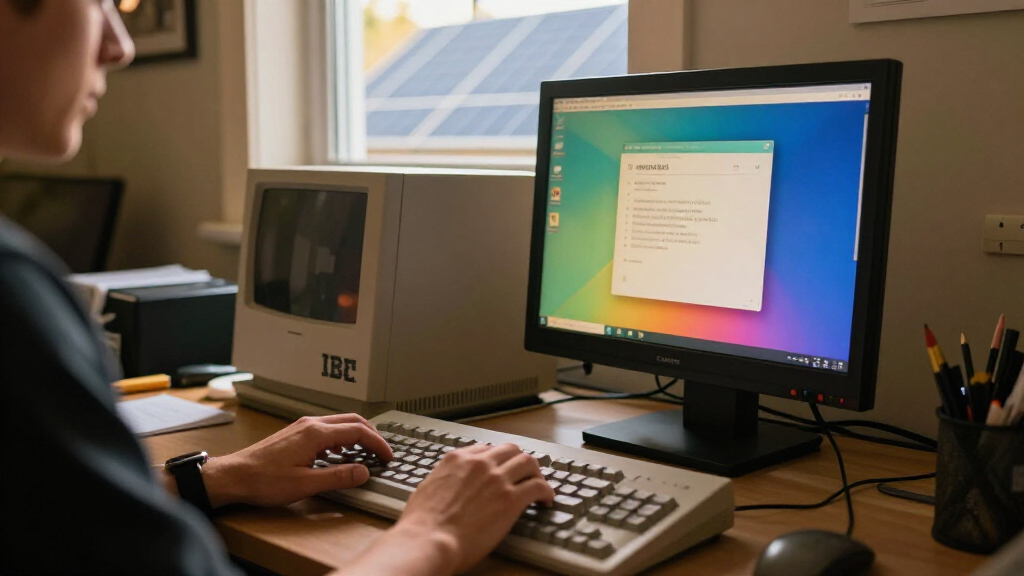
Os8088 is a custom OS designed to run on IBM PC-compatible hardware, specifically targeting the IBM XT, 286, and 386 models. According to the developers, it replicates many features of classic Mac OS, including a desktop environment, window management, and icon-based navigation. The project claims to deliver a more user-friendly interface than traditional DOS-based systems, with a focus on aesthetics and usability.
The developers behind Os8088 have released early beta versions for community testing, emphasizing that the OS is still under development. They state that compatibility with a broad range of hardware configurations is a primary goal, though some features may initially be limited to specific setups. The project is open-source, inviting contributions from enthusiasts and developers interested in vintage computing.
While the OS promises a significant leap forward for vintage PC users seeking a modernized experience, it remains in early testing stages. There are reports of successful installations on select hardware, but detailed performance metrics and stability assessments are still forthcoming.
Potential Impact on Vintage Computing and Software Innovation
The introduction of Os8088 could transform how enthusiasts and collectors interact with older IBM hardware. By providing a Mac-like GUI, it makes these systems more accessible and appealing to users accustomed to modern interfaces. This development could also inspire new software projects aimed at extending the lifespan and usability of vintage computers, fostering innovation within the retro computing community.
Furthermore, Os8088’s open-source nature encourages collaboration and customization, potentially leading to a broader ecosystem of tools and applications tailored for these legacy machines. If successful, it may influence future efforts to modernize other vintage operating systems or hardware platforms.
IBM XT vintage computer accessories
As an affiliate, we earn on qualifying purchases.
As an affiliate, we earn on qualifying purchases.
Background on Vintage OS Development and Community Efforts
For years, vintage computing enthusiasts have sought ways to modernize or improve the usability of older IBM systems such as the XT, 286, and 386. Traditional DOS environments are often considered clunky and outdated, prompting community-led projects to develop alternative operating systems or GUI overlays. Prior efforts have included lightweight window managers, emulators, and custom interfaces designed to extend the functional life of these machines.
The concept of bringing a Mac-like interface to older PCs is not new but has remained largely experimental due to hardware limitations and software complexity. The recent release of Os8088 marks a notable advancement, leveraging modern development tools and open-source collaboration to achieve a more polished and functional environment for these classic systems.
This project builds on a niche but active community that values both the historical significance and practical utility of vintage hardware, aiming to bridge the gap between past and present computing experiences.
“Os8088 aims to bring a fresh, user-friendly interface to vintage IBM hardware, making these systems more accessible and enjoyable for modern users.”
— Lead Developer, RetroTech Labs
As an affiliate, we earn on qualifying purchases.
Current Stability and Compatibility Challenges of Os8088
While early versions of Os8088 have been successfully installed on some hardware configurations, comprehensive testing results are not yet available. It is unclear how stable the OS will be across different models of IBM XT, 286, and 386, especially regarding hardware compatibility, driver support, and performance under load. Developers have acknowledged ongoing issues with certain graphics and input devices, and further refinement is needed before broad release.
As an affiliate, we earn on qualifying purchases.
Upcoming Development Milestones and Community Testing Phases
The developers plan to release updated versions with improved stability and expanded hardware support over the coming months. They are actively inviting community testing to identify bugs and optimize performance. A public beta is expected within the next quarter, along with documentation to facilitate installation and customization. Further updates will likely include enhanced GUI features and compatibility patches.
As an affiliate, we earn on qualifying purchases.
Key Questions
Can I run Os8088 on my vintage IBM PC?
Compatibility depends on your hardware configuration. Early versions are designed primarily for IBM XT, 286, and 386 models, but performance and stability may vary. It’s recommended to review the official documentation and participate in community testing before full deployment.
Is Os8088 open-source?
Yes, the project is open-source, encouraging community contributions, customization, and further development.
What features does Os8088 offer compared to traditional DOS?
Os8088 provides a graphical, Mac-like desktop environment, window management, icons, and a more intuitive user interface, aiming to improve usability over standard DOS interfaces.
When will a stable release be available?
The developers plan to release a public beta within the next three months, with a more stable version expected later in the year, pending community testing results.
Will Os8088 support modern peripherals?
Support for peripherals is still under development. Initial versions focus on core system stability and GUI features; peripheral support will expand in future updates.
Source: hn