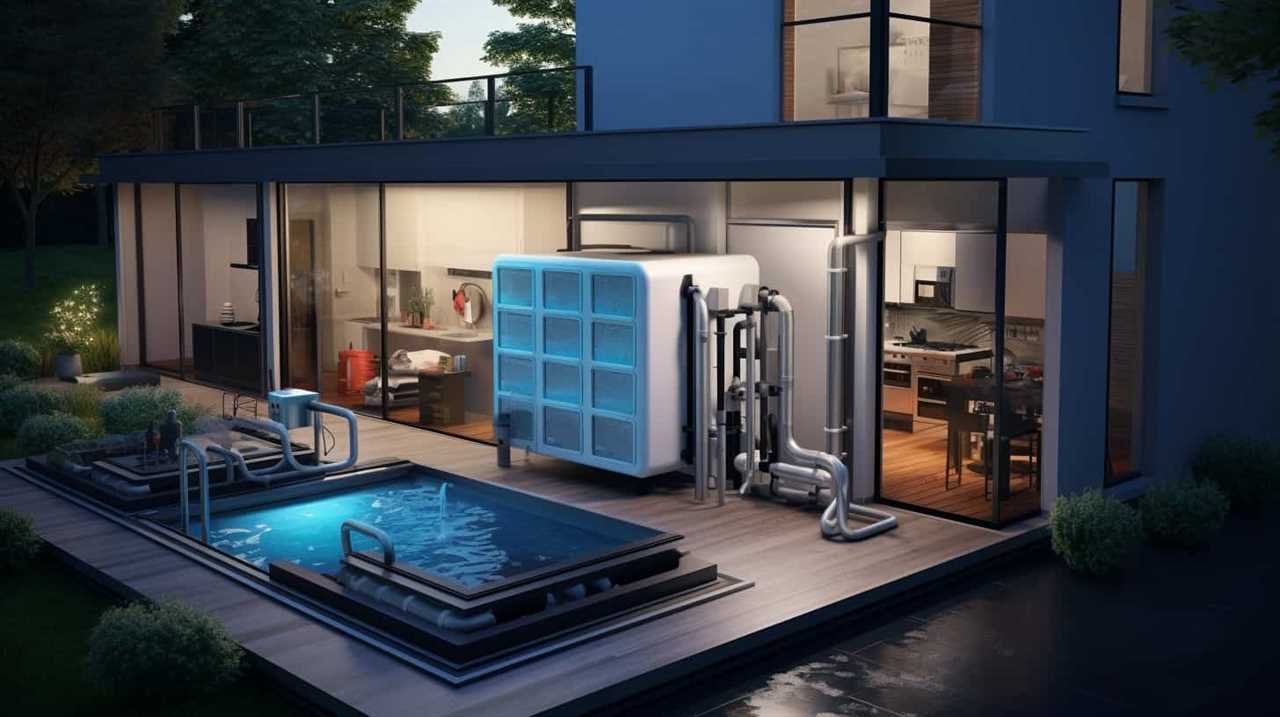
We have found a groundbreaking remedy for sustainable buildings: energy-efficient heat pumps. These cutting-edge solutions not only lower energy usage but also aid in promoting sustainability by maximizing energy conservation.

Get backup power and energy gear delivered free with Prime
- Fast, free delivery on millions of items
- Prime Video, Amazon Music and more included
- Member-only deals all year
Imagine a building that not only keeps you comfortable but also helps protect the environment. With energy-efficient heat pumps, this becomes a reality.
In this article, we’ll explore the key features of these systems, their impact on indoor air quality, and how they can revolutionize green building design.
Get ready to master the art of boosting green buildings with energy-efficient heat pumps.
Key Takeaways
- Energy-efficient heat pumps reduce energy consumption and contribute to sustainability in green buildings.
- These heat pumps maximize energy savings and lower electricity bills.
- They minimize greenhouse gas emissions and lower the carbon footprint of the building.
- Energy-efficient heat pumps enhance indoor air quality by removing allergens, improving ventilation, controlling humidity, and removing odors.
The Benefits of Energy-Efficient Heat Pumps in Green Buildings
As we explore the benefits of energy-efficient heat pumps in green buildings, it becomes evident that they offer significant advantages in terms of energy savings and environmental sustainability.
One of the key benefits is the potential for cost savings. Energy-efficient heat pumps are designed to consume less energy compared to traditional heating and cooling systems. This results in reduced electricity bills for the building owners and occupants.
Additionally, these heat pumps have a lower environmental impact. By using renewable energy sources such as air, water, or geothermal heat, they minimize greenhouse gas emissions and contribute to a cleaner and greener environment. This not only helps combat climate change but also aligns with the sustainability goals of green buildings.
Key Features of Energy-Efficient Heat Pump Systems
Our research has identified several key features of energy-efficient heat pump systems that contribute to their effectiveness in green buildings.
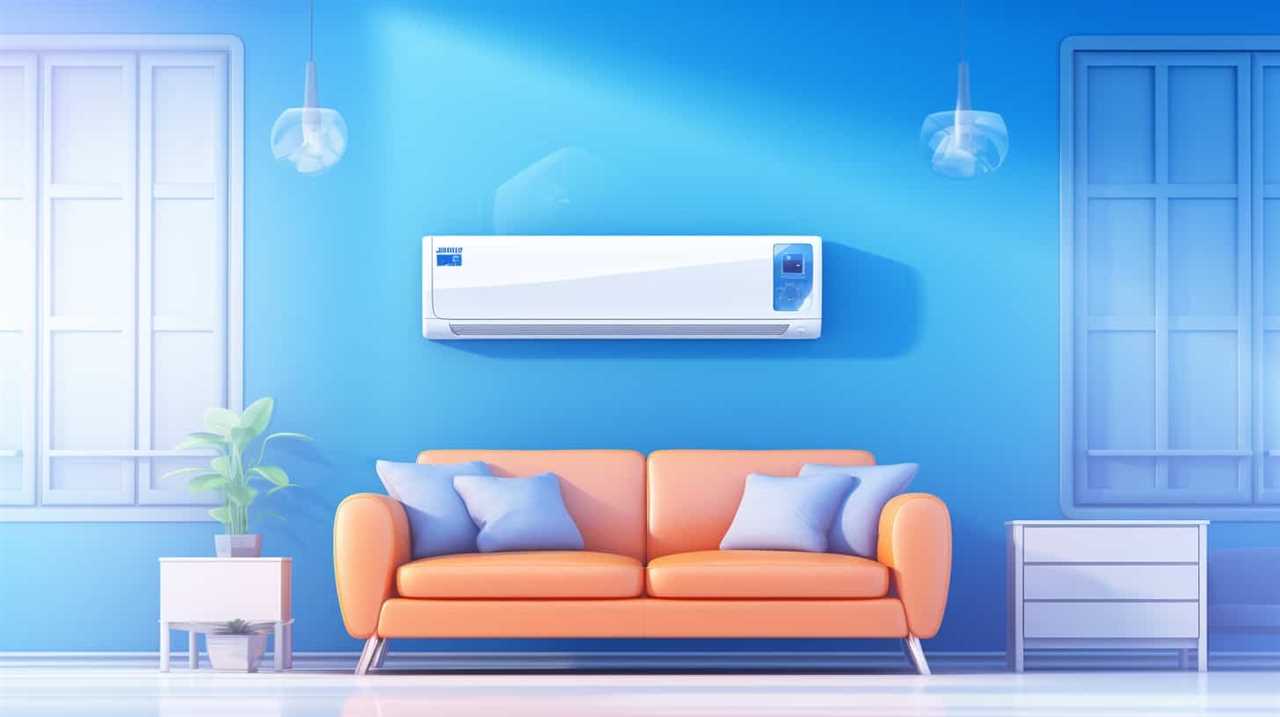
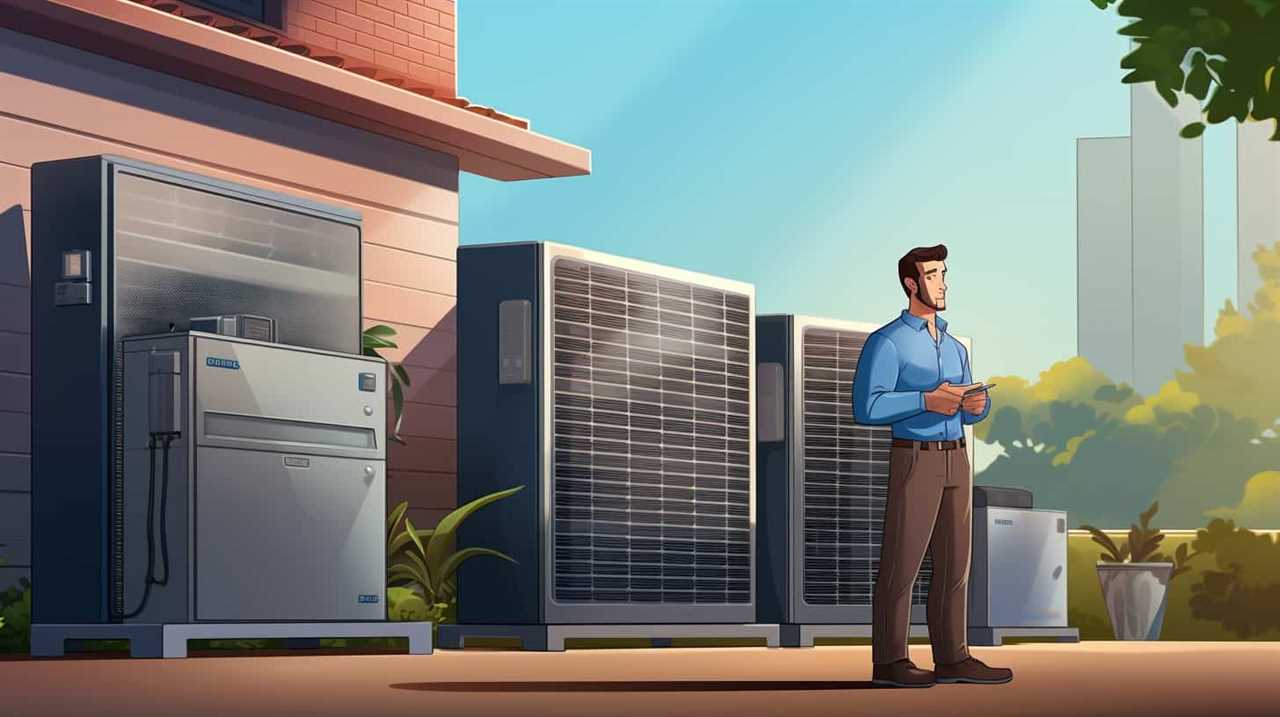
One of the crucial aspects is the energy efficient heat pump installation. Proper installation ensures that the system operates at its maximum efficiency, minimizing energy waste.
Additionally, heat pump efficiency ratings play a significant role in determining the system’s performance. These ratings indicate how well the heat pump can transfer heat from one location to another. Higher efficiency ratings translate to greater energy savings and reduced environmental impact.
Other important features include advanced controls and smart thermostats, which optimize the heat pump’s operation based on the building’s heating and cooling needs.
How Energy-Efficient Heat Pumps Contribute to Sustainability in Green Buildings
Energy-efficient heat pumps contribute to sustainability in green buildings by reducing energy consumption and minimizing environmental impact. These heat pumps are designed to efficiently transfer heat from one location to another, using minimal energy input. By doing so, they reduce the amount of energy needed to heat or cool a building, leading to significant energy savings.
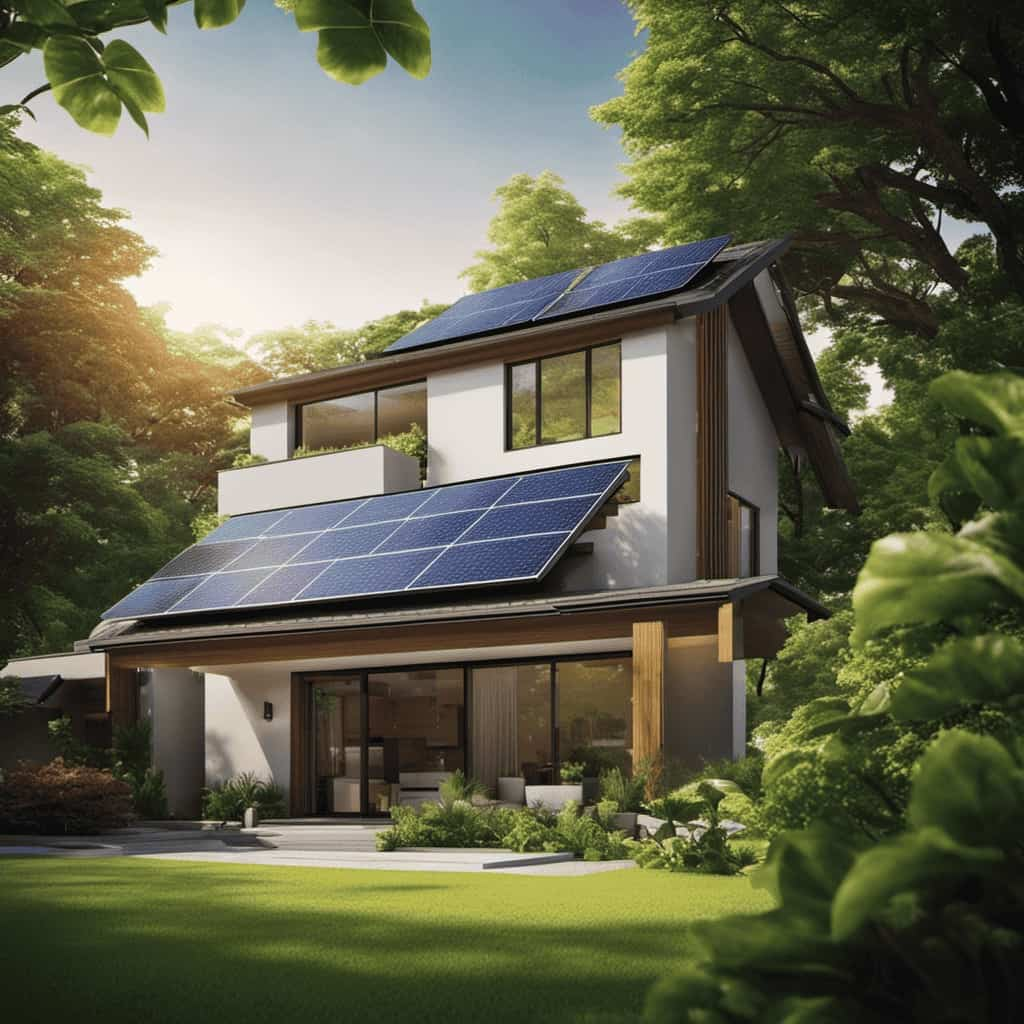
This directly translates to a reduced carbon footprint, as less energy consumption means fewer greenhouse gas emissions. Additionally, energy-efficient heat pumps can be integrated with renewable energy sources such as solar panels or geothermal systems. This allows for the utilization of clean, renewable energy to power the heat pumps, further enhancing their sustainability.
Enhancing Indoor Air Quality With Energy-Efficient Heat Pumps
We can enhance indoor air quality by using energy-efficient heat pumps, which effectively circulate and filter air throughout the building. Energy-efficient heat pumps offer several benefits in improving indoor air quality while reducing carbon emissions and improving thermal comfort.
Here are some key ways energy-efficient heat pumps enhance indoor air quality:
-
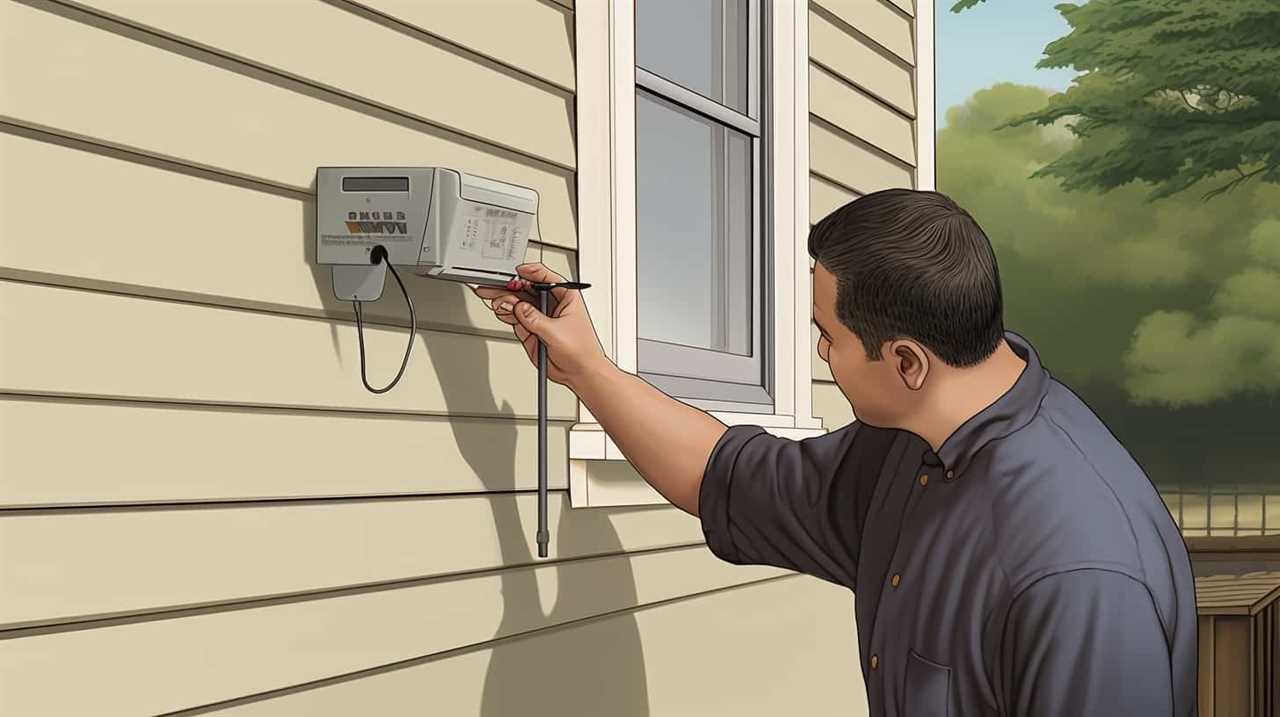
Air filtration: Heat pumps are equipped with high-quality filters that can remove dust, pollen, and other allergens from the air, helping to reduce respiratory issues and allergies.
-
Ventilation: Heat pumps can bring in fresh air from outside, improving air circulation and reducing the buildup of indoor pollutants.
-
Humidity control: Heat pumps can maintain optimal humidity levels, preventing the growth of mold and mildew.
-
Odor removal: Heat pumps can effectively remove odors from the air, creating a more pleasant and fresh indoor environment.
-
Heat recovery ventilation: Some heat pumps have heat recovery systems that capture and reuse heat from exhaust air, reducing energy wastage and maximizing thermal comfort.
Maximizing Energy Savings With Energy-Efficient Heat Pump Technology
To maximize energy savings, we can utilize energy-efficient heat pump technology to significantly reduce electricity consumption in green buildings.
Energy-efficient heat pumps work by transferring heat from one location to another, instead of generating heat through combustion. This technology allows for the optimization of energy consumption, as it can provide both heating and cooling functions in an efficient manner.
By using energy-efficient heat pumps, buildings can reduce their carbon footprint by decreasing reliance on conventional heating and cooling systems that consume large amounts of energy.
These heat pumps utilize advanced technologies, such as variable-speed compressors and smart controls, to ensure optimal performance and energy efficiency.

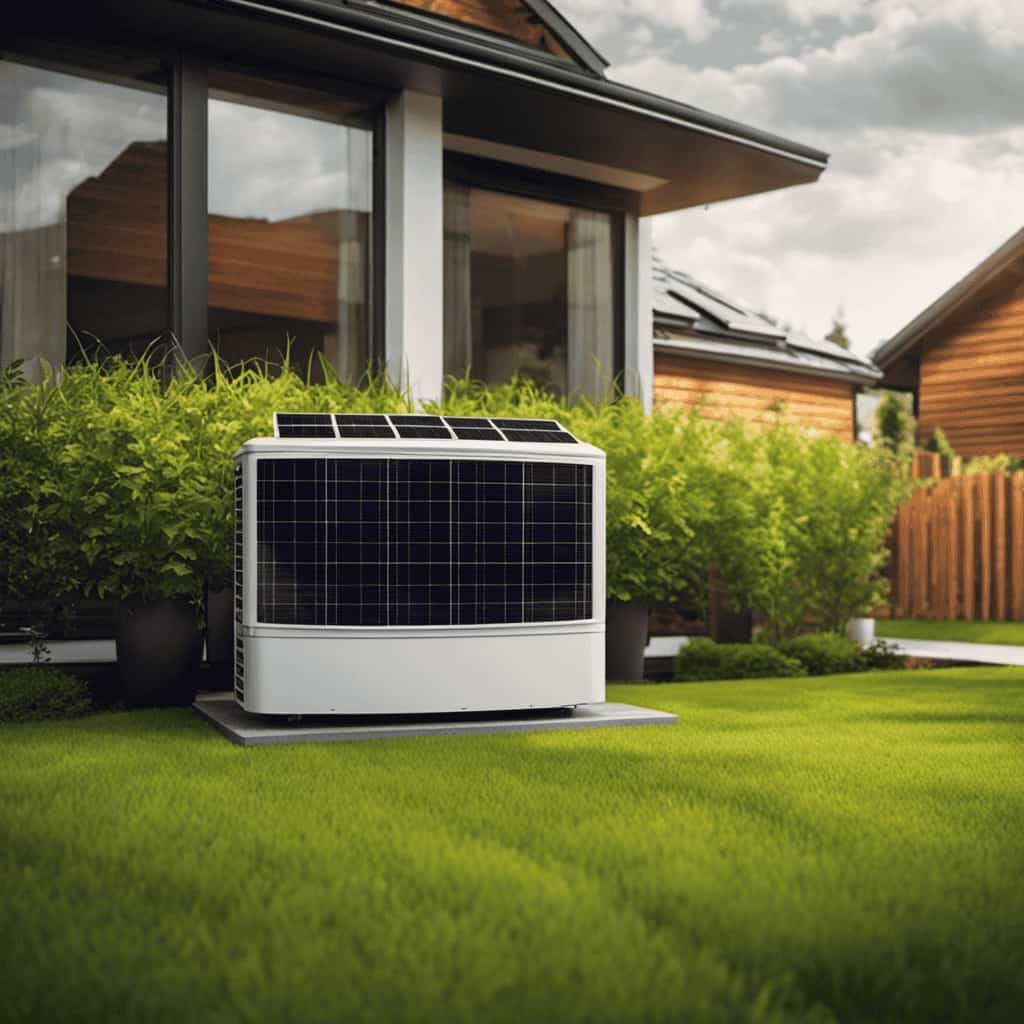
Additionally, the integration of renewable energy sources with energy-efficient heat pump technology can further enhance energy savings and contribute to a more sustainable future.
Frequently Asked Questions
Are Energy-Efficient Heat Pumps Suitable for All Types of Green Buildings?
Yes, energy-efficient heat pumps are suitable for all types of green buildings. They are more efficient than solar panels, and they also improve indoor air quality by reducing pollutants and providing better ventilation.
How Does the Installation Process of Energy-Efficient Heat Pumps Differ From Traditional Heating Systems?
The installation process of energy-efficient heat pumps differs from traditional heating systems in several ways. We will discuss the cost comparison, technical details, and informative aspects to provide a comprehensive understanding of this topic.
Can Energy-Efficient Heat Pumps Be Integrated With Existing HVAC Systems in Green Buildings?
Yes, energy-efficient heat pumps can be integrated with existing HVAC systems in green buildings. By integrating heat pumps, we can enhance energy efficiency, reduce carbon emissions, and improve overall comfort and indoor air quality.
What Maintenance and Servicing Requirements Are There for Energy-Efficient Heat Pumps in Green Buildings?
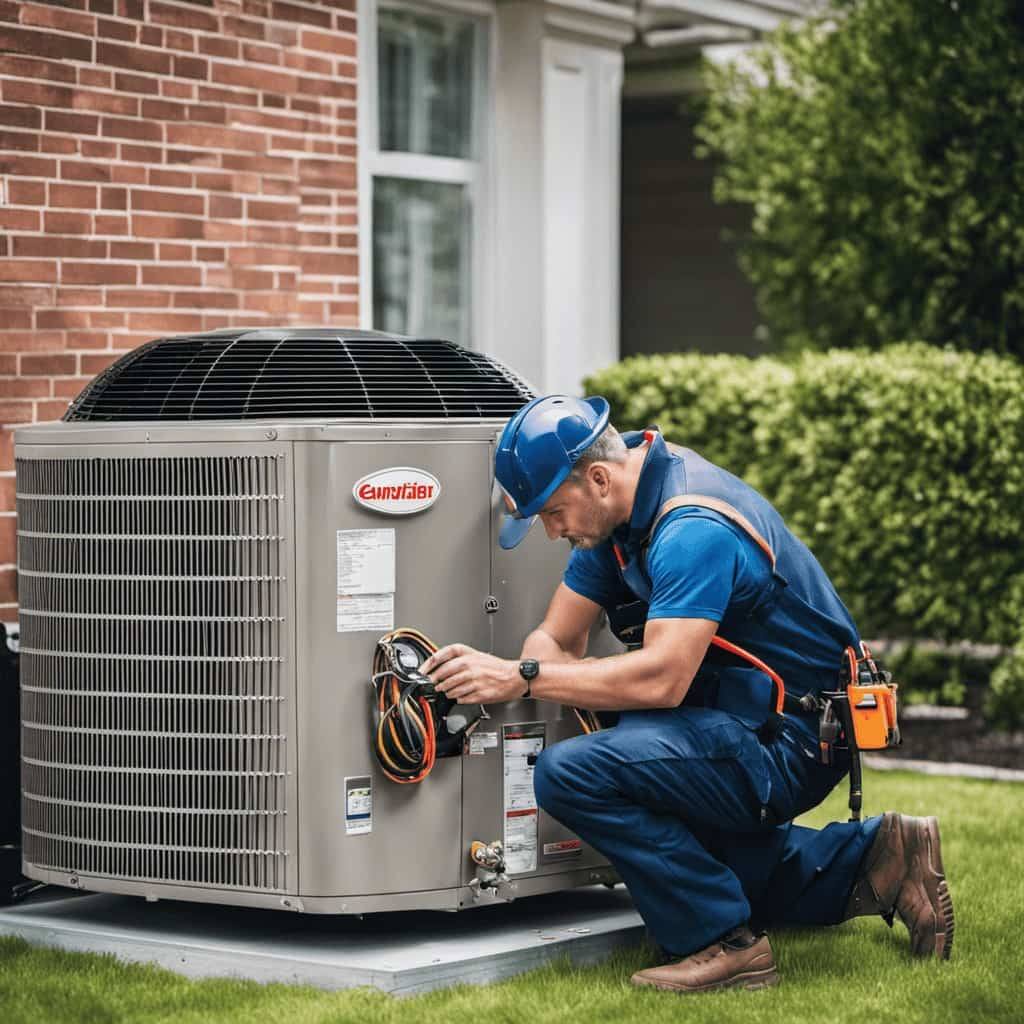
Maintenance and servicing requirements for energy-efficient heat pumps in green buildings include regular filter cleaning or replacement, inspection of electrical connections, lubrication of moving parts, and checking refrigerant levels. Proper maintenance ensures optimal performance and extends the lifespan of the system.
Are There Any Financial Incentives or Government Programs Available for Installing Energy-Efficient Heat Pumps in Green Buildings?
Are there any financial incentives or government programs available for installing energy-efficient heat pumps in green buildings? We’ve researched extensively and found that there are indeed several programs and incentives in place to support the adoption of such technologies.
Conclusion
In conclusion, energy-efficient heat pumps play a vital role in boosting the sustainability of green buildings.
These innovative systems not only enhance indoor air quality but also maximize energy savings, making them a valuable investment.
Like a breath of fresh air, energy-efficient heat pumps breathe new life into green buildings, ensuring a more efficient and environmentally friendly future.
Fall Picks
fall essentials
As an affiliate, we earn on qualifying purchases.