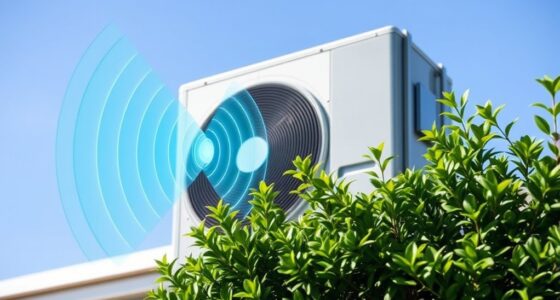
Heat pumps offer a versatile alternative to traditional air conditioning by providing both cooling and heating in one system. Unlike standard AC units that only cool, heat pumps transfer heat efficiently, saving energy and reducing bills. They are generally more environmentally friendly and tend to last longer with less maintenance. While the upfront cost can be higher, long-term savings and eco benefits make them worth considering. If you want to understand how they compare in detail, there’s more to explore.
Key Takeaways
- Heat pumps provide both cooling and heating, offering greater versatility than traditional AC units which only cool.
- They transfer heat efficiently, often using less electricity, making them more energy-efficient than standard air conditioners.
- Initial installation costs for heat pumps are higher, but long-term savings on energy and maintenance can offset this.
- Heat pumps can quickly adapt to temperature changes, maintaining consistent indoor comfort more effectively.
- Suitable for moderate climates, heat pumps are eco-friendly options with lower environmental impact compared to traditional AC systems.
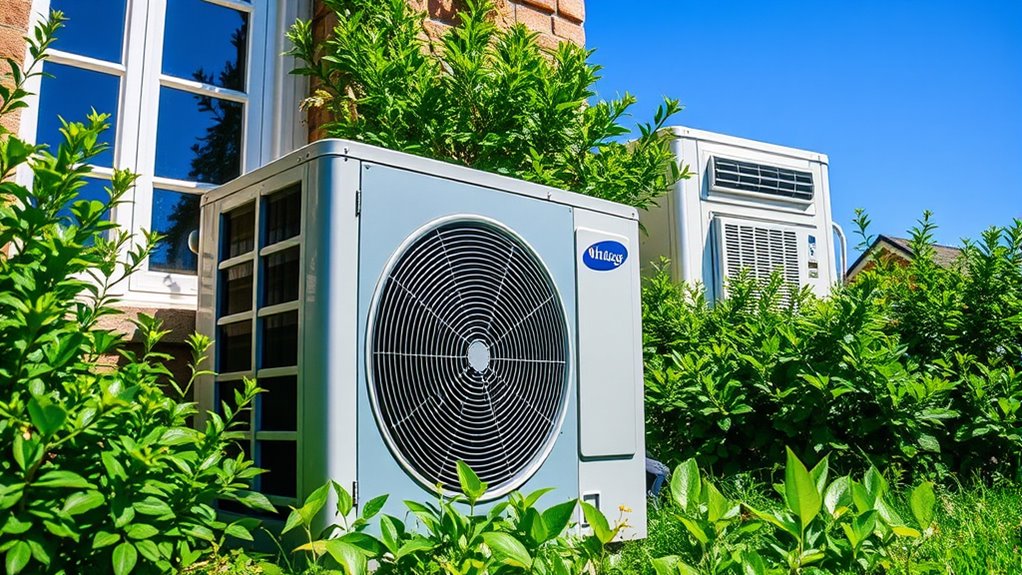
Have you ever wondered how modern heat pumps can cool your home efficiently? These systems are gaining popularity because they offer an innovative alternative to traditional air conditioning units. Unlike standard AC units that only provide cooling, heat pumps are versatile, capable of both heating and cooling your home with a single system. When comparing heat pump cooling to traditional air conditioning, one of the biggest advantages is energy efficiency. Heat pumps transfer heat rather than generate it, making them more efficient in many climates. This means you can enjoy the same level of comfort while using less electricity, which can markedly reduce your energy bills over time. Because they operate by moving heat rather than creating it, they can deliver comfort more efficiently, especially during moderate weather conditions. Additionally, advances in solar energy solutions are making it easier to power heat pumps sustainably, further reducing environmental impact. However, it’s essential to think about the installation costs when evaluating whether a heat pump makes sense for your home. Generally, heat pump installation costs are higher upfront than installing a traditional AC unit. This is because heat pumps are more complex systems that often require specialized equipment and expertise for proper setup. You might find that the initial investment is substantial, but many homeowners find that the energy savings over the lifespan of the system balance out this cost. Additionally, incentives and rebates may be available to offset some of the installation expenses, making it more affordable in the long run. Another factor to think about is the durability and maintenance of these systems. Heat pumps tend to have a longer lifespan and require less maintenance compared to traditional air conditioners, which can help you save money over time. They also provide consistent comfort because they can quickly adjust to changing temperatures, unlike some AC units that might struggle to keep a uniform indoor climate. When making your decision, it’s important to weigh the higher initial costs against the long-term savings on energy bills and maintenance. If you live in a climate with mild to moderate temperatures, a heat pump could be an excellent investment, offering efficient cooling while reducing your environmental impact. Even in colder months, many heat pumps can switch seamlessly to heating, providing year-round comfort. Overall, while the upfront costs might seem intimidating, the energy efficiency benefits and the potential for lower long-term expenses make heat pumps a compelling choice for many homeowners seeking an eco-friendly, cost-effective cooling solution.

Westinghouse Natural Gas Tankless Water Heater Indoor Installation Max 7.9 GPM 180,000 BTU, WIFI Enable Temp Self Modulating Non Condensing High Efficiency for House or Commercial, APOLO Performance
【On-Demand Efficiency】 Westinghouse tankless water heater works only needed, saving energy and costs. Compact yet powerful for whole-home...
As an affiliate, we earn on qualifying purchases.
Frequently Asked Questions
How Energy-Efficient Are Heat Pumps Compared to Traditional AC Units?
Heat pumps are generally more energy-efficient than traditional AC units, especially when powered by renewable energy sources. They transfer heat rather than generate it, which reduces energy use and lowers your utility bills. This efficiency means you can enjoy significant cost savings over time. Plus, as renewable energy becomes more available, heat pumps become an even greener, more sustainable cooling option, helping you reduce your environmental impact.
Can Heat Pumps Effectively Cool Large or Commercial Spaces?
You’ll find that heat pumps can handle large space cooling quite effectively, especially with commercial applications in mind. Modern units are designed to scale up, making them suitable for sizable spaces without sacrificing efficiency. While they’re a great option, it’s wise to take into account the specific cooling needs of your commercial environment to guarantee peak performance. With proper sizing and installation, heat pumps can be a reliable solution for large space cooling.
What Is the Typical Lifespan of a Heat Pump?
You can expect a heat pump to last around 10 to 15 years, depending on usage and maintenance. Age limitations vary, but proper care extends its lifespan. Many models come with warranty coverage that protects you during this period, covering repairs and parts replacement. Regular servicing helps prevent issues and maximizes efficiency, ensuring your heat pump remains reliable for its full lifespan.
Are Heat Pumps More Expensive to Install Than Traditional Air Conditioners?
You might find that heat pumps are a bit more of a penny to start with when it comes to installation costs, but they can be worth their weight in gold over time. The cost comparison shows higher initial expenses, but they save you money on energy bills. Keep in mind, installation can be more complex, so it’s wise to get quotes from professionals to see if it fits your budget.
Do Heat Pumps Require Special Maintenance or Servicing?
Yes, heat pumps do require special maintenance or servicing. You should schedule regular maintenance checks to guarantee they operate efficiently, including inspecting refrigerant levels and cleaning components like filters and coils. Proper maintenance helps prevent issues and extends the system’s lifespan. Since heat pumps work year-round for both heating and cooling, staying on top of these checks ensures peak performance and energy savings.
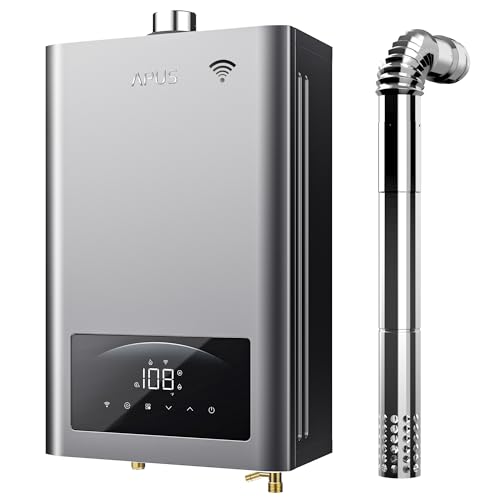
APUS Tankless Water Heater Propane, 140,000 BTU Indoor Installation Up to 6.8 GPM, Zero Cold Water Technology for Instant Hot Water on Demand, Smart Wi-Fi App Control
Instant Hot Water: This upgraded smart propane tankless water heater delivers consistent performance with its 140,000 BTU burner...
As an affiliate, we earn on qualifying purchases.
Conclusion
So, next time you’re choosing a cooling option, remember that a heat pump might just surprise you—offering efficiency and versatility you didn’t expect. It’s funny how something designed for heating can also keep you cool, almost like it was meant to be. Sometimes, the best solution comes when you realize that what seems different actually works together perfectly. Keep an open mind, and you might find your ideal climate control just a coincidence away.

23000 BTU Mini Split AC & Heat Pump, 230v Energy Efficient Wall-Mounted Ductless Air Conditioner with WiFi Control, r32 Eco-Friendly Refrigerant, Cools/Heats Up to 1500 Sq.Ft, Quiet Operation
Powerful Cooling & Heating - This 23000 BTU mini split system delivers reliable cooling (63-90℉) and heating (32-80℉)...
As an affiliate, we earn on qualifying purchases.
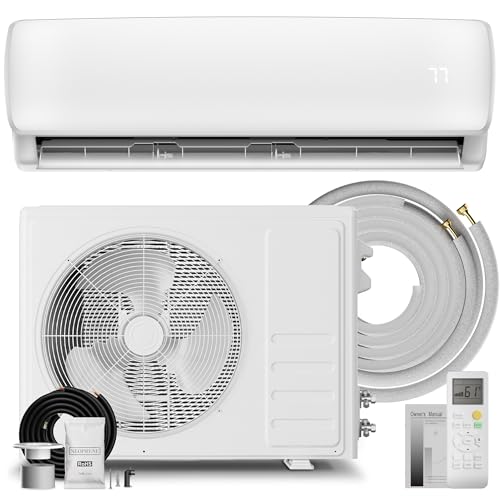
MEPTY 9000BTU Mini Split AC/Heating System, 19 SEER2 Energy Efficient Mini Split Air Conditioner with Heat Pump, 110V Cools Up to 450sq.ft, Ductless Inverter AC Unit with Pre-Charged Condenser
⭐Advanced Energy Saving: Advanced inverter technology with leading 19 SEER2 rating delivers superior performance through ensuring that the...
As an affiliate, we earn on qualifying purchases.