
Recirculation pumps can be brilliant because they deliver hot water quickly, saving you time, water, and reducing utility bills if managed properly. However, if you leave them running constantly or lack smart controls, they waste energy and increase costs. Proper maintenance and system compatibility are key to maximizing benefits and avoiding waste. To discover how to make them work in your favor and boost efficiency, explore further options and tips.

Get backup power and energy gear delivered free with Prime
- Fast, free delivery on millions of items
- Prime Video, Amazon Music and more included
- Member-only deals all year
Key Takeaways
- Recirculation pumps save water and time by providing instant hot water, making them beneficial in efficient systems.
- Poor management, continuous operation, or heat loss can lead to increased energy costs and waste.
- Proper system compatibility and smart controls optimize pump efficiency and reduce unnecessary energy consumption.
- Regular maintenance is essential to prevent malfunctions that could turn a helpful system into a costly problem.
- Long-term savings depend on system design, control management, and minimizing heat loss to ensure efficiency.
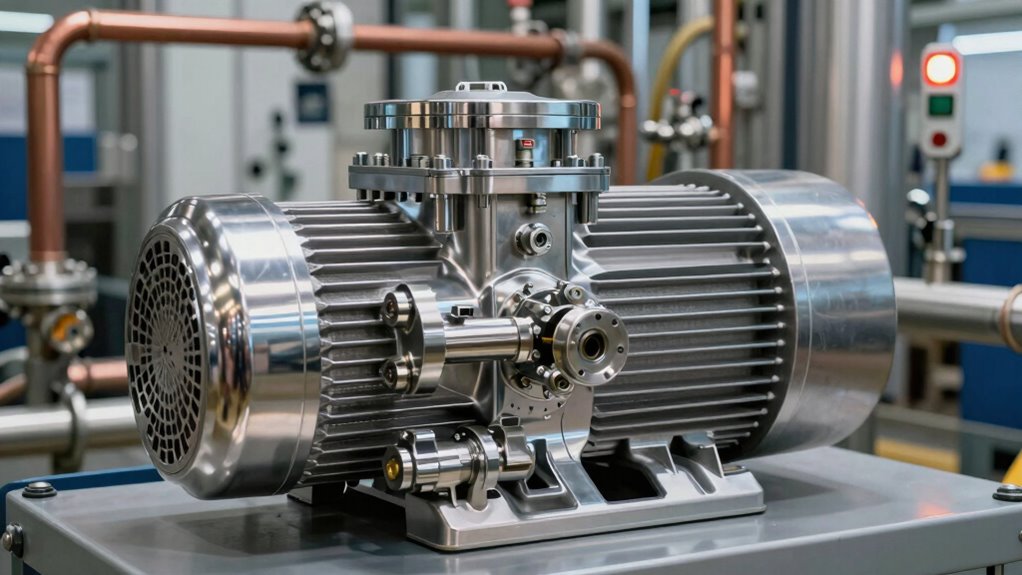
Recirculation pumps are designed to keep hot water flowing quickly to your faucets, saving you time and water. When you turn on a tap, you don’t have to wait for the water to heat up or run through long pipes; the pump guarantees hot water is readily available. This convenience can seem like a major advantage, especially if you value efficiency and comfort. However, it’s worth considering whether the benefits outweigh the potential drawbacks, particularly regarding energy efficiency and maintenance challenges.
Recirculation pumps offer quick hot water access but may increase energy use and require regular maintenance.
On the one hand, recirculation pumps can boost energy efficiency in some homes. By reducing the amount of water wasted as you wait for hot water, you’re conserving resources and lowering your utility bills. When installed with timers or sensors, these pumps operate only when needed, further minimizing energy consumption. This smart use of technology makes recirculation pumps a sustainable choice for many households. Yet, if the system runs continuously or isn’t properly managed, it can actually lead to increased energy use. The constant circulation of hot water through pipes results in heat loss, meaning your system has to work harder to maintain the desired temperature. Over time, this can counteract the initial savings and inflate your energy bills.
Maintenance challenges also play a notable role in determining whether a recirculation pump is a good investment. Like any mechanical device, pumps require regular upkeep to avoid breakdowns. Sediment buildup, worn bearings, or electrical issues can cause malfunctions, leading to costly repairs or replacements. If you’re not diligent about routine maintenance, or if the system is poorly installed, you might find yourself facing frequent problems. Additionally, some older plumbing setups aren’t designed to accommodate modern recirculation pumps, which can complicate maintenance efforts and increase the risk of leaks or damage to your pipes. Proper understanding of plumbing system compatibility can help homeowners make more informed decisions about installation and upkeep. Furthermore, with the rise of smart home technology, some systems now incorporate advanced controls that can optimize operation and reduce energy waste, making maintenance and operation easier for homeowners. Recognizing system efficiency and how it impacts long-term costs is also crucial when considering a recirculation pump. Properly managing system controls can significantly influence the overall performance and energy savings of the setup. Additionally, being aware of energy-saving features can help homeowners select the most suitable and efficient system for their needs.
recirculation pump with smart controls
As an affiliate, we earn on qualifying purchases.
As an affiliate, we earn on qualifying purchases.
Frequently Asked Questions
How Much Energy Do Recirculation Pumps Typically Consume Annually?
Recirculation pumps typically consume between 100 to 500 kilowatt-hours annually, depending on their size and usage. When considering energy efficiency, you can reduce costs by selecting energy-efficient models and optimizing operation times. Conducting a cost analysis helps identify if the energy consumption justifies the benefits of the pump. Proper maintenance also guarantees the pump operates efficiently, saving you money and energy in the long run.
Can Recirculation Pumps Be Integrated With Smart Home Systems?
Think of your recirculation pump as a smart home symphony conductor—integrating it with smart systems streamlines your water flow. You can set system automation to activate the pump only when needed, reducing waste. Many modern pumps offer compatibility with smart home platforms, allowing you to control and monitor energy use via apps. Embracing smart integration transforms your pump into an efficient, responsive part of your home ecosystem.
What Are the Maintenance Requirements for Different Types of Recirculation Pumps?
You need to follow specific maintenance schedules for different types of recirculation pumps to guarantee peak performance. For example, traditional pumps require regular inspection of seals and lubrication, while variable speed pumps might need software updates. Generally, you can expect a pump lifespan of 5-10 years with proper care. Regular maintenance helps prevent breakdowns, extends the lifespan, and keeps your system running efficiently.
Are There Specific Climates Where Recirculation Pumps Are More Beneficial?
In colder climates, recirculation pumps boost regional efficiency by keeping hot water readily available, reducing wait times and energy waste. Conversely, in milder or warmer areas, their benefits diminish, and they might even waste energy. Climate considerations are essential when deciding if a recirculation pump suits your needs. You’ll find that in regions with notable temperature drops, these pumps can markedly enhance comfort and efficiency.
How Do Recirculation Pumps Impact Overall Water and Energy Costs?
Imagine a gentle stream flowing smoothly, symbolizing efficiency. Recirculation pumps can lower your water and energy costs by reducing wait times for hot water, promoting water conservation, and boosting cost efficiency. However, if misused or unnecessary, they can waste energy, turning that stream into a flood. Properly managed, they optimize resource use, saving you money while protecting the environment—making every drop count.
hot water recirculation pump timer
As an affiliate, we earn on qualifying purchases.
As an affiliate, we earn on qualifying purchases.
Conclusion
Ultimately, choosing a recirculation pump is like walking a tightrope—you’ll need to balance efficiency against cost and complexity. When used wisely, it’s a well-oiled machine that keeps your hot water flowing seamlessly, saving you time and energy. But if you’re not careful, it can become a weight around your neck, draining resources without offering much benefit. Weigh your needs carefully—sometimes, a simple solution can be the most brilliant of all.
energy-efficient recirculation pump
As an affiliate, we earn on qualifying purchases.
As an affiliate, we earn on qualifying purchases.
recirculation pump maintenance kit
As an affiliate, we earn on qualifying purchases.
As an affiliate, we earn on qualifying purchases.
Halloween Picks
halloween
As an affiliate, we earn on qualifying purchases.