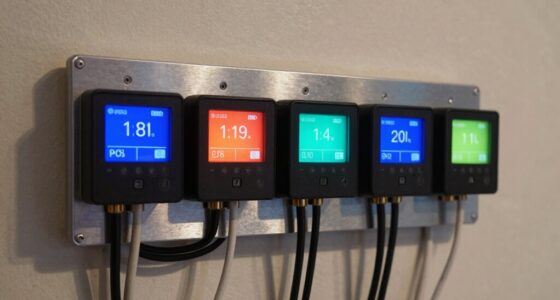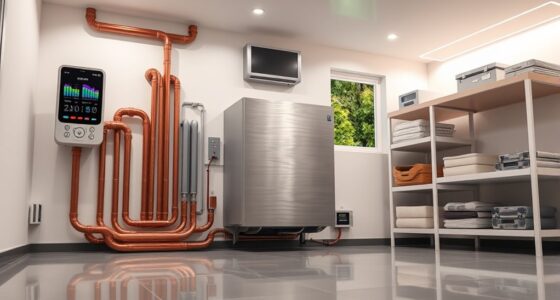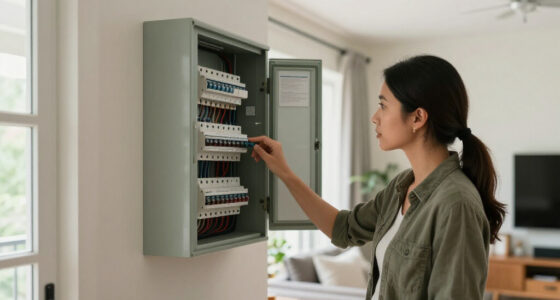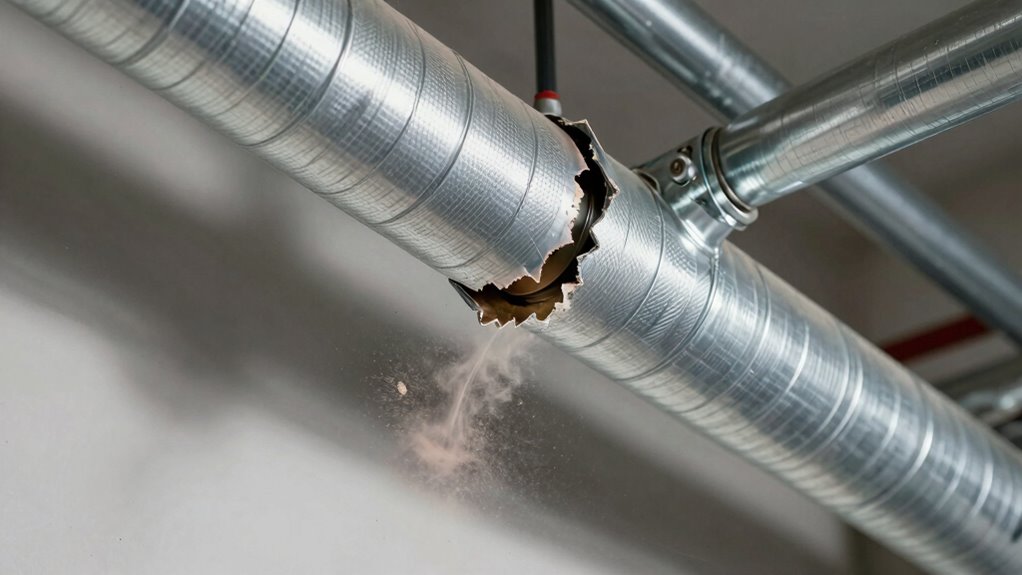
If your high-efficiency system has air leaks, it can behave like a poor performer by allowing uncontrolled air exchange. These leaks cause energy loss, forcing your system to work harder and increasing bills. They also let outdoor pollutants, allergens, and humidity inside, reducing indoor air quality. During extreme temperatures, leaks make maintaining comfort harder and wear down your equipment faster. Keep going to discover how sealing your home can restore your system’s best performance.

Get backup power and energy gear delivered free with Prime
- Fast, free delivery on millions of items
- Prime Video, Amazon Music and more included
- Member-only deals all year
Key Takeaways
- Air leaks cause energy loss, forcing systems to work harder and reducing overall efficiency.
- Unsealed gaps allow outdoor pollutants and humidity, degrading indoor air quality.
- During extreme temperatures, leaks increase infiltration, making systems less effective at maintaining comfort.
- Leaks lead to uneven heating or cooling, causing system strain and potential equipment wear.
- Proper sealing maintains system performance and indoor environment quality, preventing high-efficiency systems from underperforming.
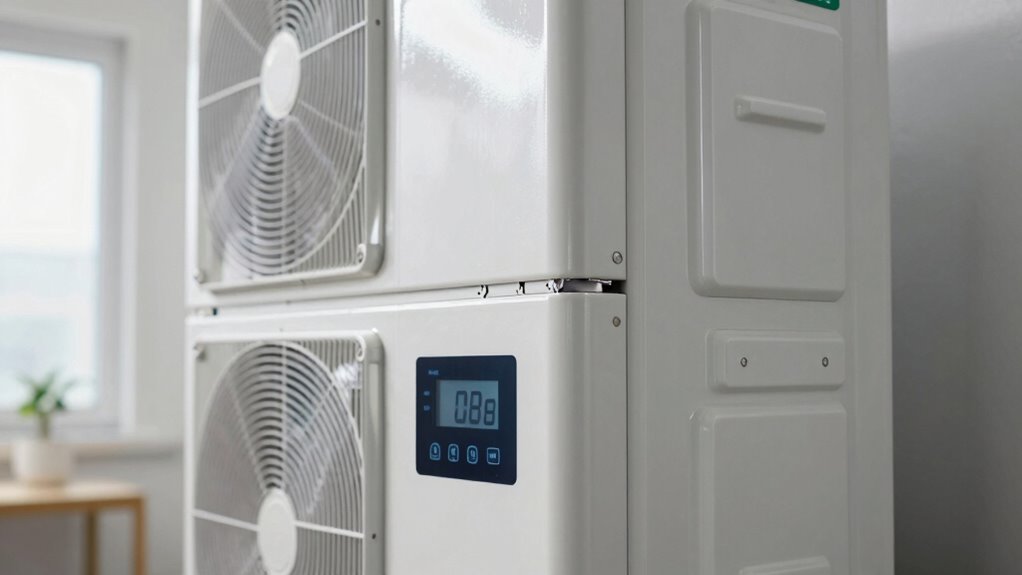
Air leakage can considerably undermine the performance of high-efficiency systems, causing energy loss and reducing overall effectiveness. When your home or building isn’t properly sealed, air escapes through tiny gaps and cracks, making your HVAC system work harder to maintain comfortable conditions. This extra effort not only wastes energy but also compromises indoor air quality, as unwanted outdoor air can bring pollutants, humidity, and allergens inside. As a result, what should be a highly efficient setup ends up behaving like a poorly performing system, wasting resources and affecting your health.
Air leaks reduce efficiency, waste energy, and compromise indoor air quality. Sealing is essential for optimal system performance.
Think about how often you rely on a high-efficiency system to save on energy costs. If leaks are present, your system has to run longer and more frequently to compensate for the lost air. This increased workload diminishes energy conservation benefits, pushing your energy bills higher instead of lower. Even small leaks can have a significant impact, especially in colder or hotter months when temperature differences drive more air exchange. Without proper sealing, your system’s ability to maintain a stable indoor environment is compromised, leading to inconsistent comfort and increased wear and tear on equipment.
Indoor air quality takes a hit when leaks allow unfiltered outdoor air inside. Dust, pollen, humidity, and pollutants can infiltrate through tiny openings, making your indoor environment less healthy. This is particularly problematic if anyone in your household has allergies or respiratory issues. Instead of providing a controlled, clean indoor environment, your high-efficiency system is battling outside elements that it wasn’t designed to handle. The infiltration of outdoor air through air leaks is a key factor that diminishes system performance, as it forces your HVAC to work harder to compensate. The presence of microplastics in dust and other pollutants from outdoor air can further degrade indoor air quality, increasing health risks. The cycle of increased system workload can also lead to higher energy consumption, which defeats the purpose of a high-efficiency setup. The result is a cycle where your system runs longer and harder, trying to keep up with the influx of unconditioned air, which hampers both energy efficiency and indoor air quality.
Addressing air leaks involves more than just sealing visible cracks; it requires a comprehensive approach. Proper insulation, weatherstripping, and sealing around doors, windows, and ductwork are essential steps. When leaks are minimized, your high-efficiency system can perform as intended, conserving energy and maintaining good indoor air quality. Additionally, building envelope improvements can help prevent unnecessary air exchange, contributing to better overall system performance. You’ll notice improved comfort, lower energy bills, and a healthier indoor environment. Instead of behaving like a subpar system, your setup can reach its full potential, delivering the efficiency and quality you expect—if you tackle those sneaky leaks that undermine its performance.
As an affiliate, we earn on qualifying purchases.
Frequently Asked Questions
How Can I Detect Hidden Air Leaks in My System?
To detect hidden air leaks, you should perform a blower door test, which reveals leaks by pressurizing your home and listening for escaping air. Additionally, use smoke pencils or incense sticks near windows, doors, and ducts to spot drafts. Sealing leaks improves ventilation effectiveness, boosts indoor air quality, and guarantees your high-efficiency system works as intended without losing conditioned air. Regular inspections help maintain peak performance and comfort.
What Tools Are Best for Sealing Air Leaks Effectively?
To seal air leaks effectively, you should use high-quality sealants like caulk or expanding foam, depending on the leak size and location. Leak detection tools such as smoke pencils, infrared cameras, or ultrasonic leak detectors help identify hidden leaks accurately. Confirm sealant effectiveness by selecting the right product for each surface and applying it properly, creating a tight seal that improves system efficiency and prevents energy loss.
Does Air Leakage Impact System Lifespan or Just Efficiency?
Like a knight’s armor, air leakage can erode your system’s durability over time. It doesn’t just reduce efficiency; it also accelerates wear and tear, leading to higher maintenance costs and a shorter lifespan. When air escapes, your system works harder to keep up, risking damage that could have been avoided. Fixing leaks now preserves both system durability and minimizes costly repairs down the line.
Can Weather Changes Worsen Air Leakage Issues Over Time?
Yes, weather changes can worsen air leakage issues over time. Climate impact, like temperature fluctuations and humidity, causes insulation degradation and weakens seals, making leaks more likely. As weather varies, your system faces increased stress, allowing more air to escape. This ongoing process reduces efficiency, increases energy costs, and can lead to faster wear and tear on your equipment, ultimately compromising its overall performance.
Are Certain Materials More Resistant to Air Leakage?
Sure, some materials are more resistant to air leakage—think of them as the superhero capes of building envelopes. Durable materials like spray foam or insulated panels, combined with premium sealants, boost your system’s integrity. Their durability prevents cracks and gaps, while effective sealants seal the deal. So, invest wisely, and you’ll keep the sneaky air leaks at bay, ensuring your high-efficiency system stays true to its promise.
door and window weatherstripping kit
As an affiliate, we earn on qualifying purchases.
As an affiliate, we earn on qualifying purchases.
Conclusion
So, next time you’re considering a high-efficiency system, remember that even tiny air leaks can sabotage its performance. Don’t let leaks turn your investment into a costly mistake. Isn’t it worth taking the time to seal those leaks and guarantee your system runs as efficiently as possible? After all, a well-sealed system isn’t just about saving energy; it’s about maximizing comfort and savings. Are you ready to seal the deal?
As an affiliate, we earn on qualifying purchases.
As an affiliate, we earn on qualifying purchases.
Halloween Picks
halloween
As an affiliate, we earn on qualifying purchases.