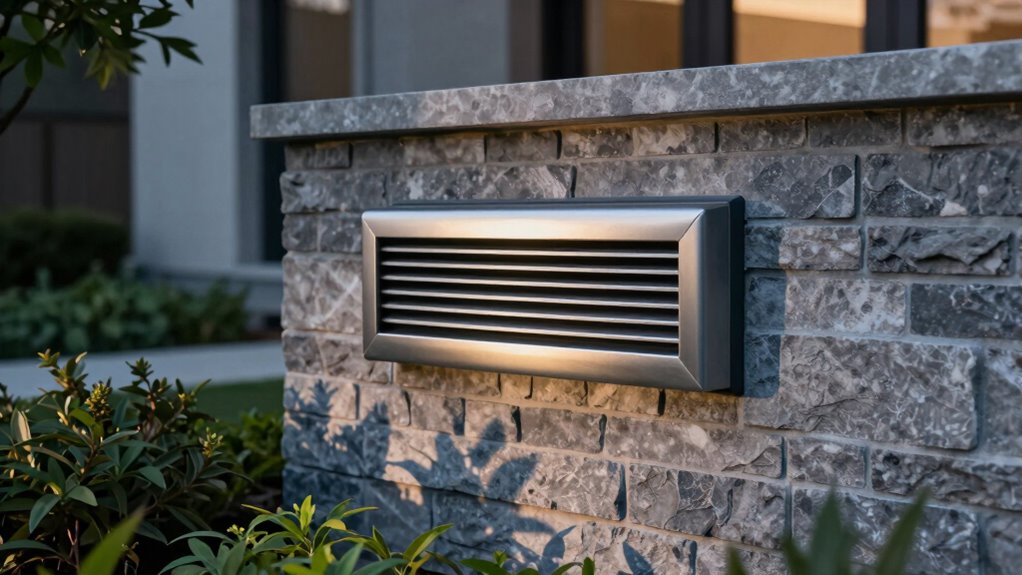

You might overlook the importance of proper system placement and external shading when setting up low-ambient cooling. Ensuring your outdoor units are positioned correctly and protected from direct sunlight helps improve efficiency and indoor comfort. Using shading devices like awnings or trees can considerably reduce heat gain. Paying attention to these details keeps your system running smoothly and saves energy. Keep exploring to discover more tips that can make your cooling more effective and reliable.

Get backup power and energy gear delivered free with Prime
- Fast, free delivery on millions of items
- Prime Video, Amazon Music and more included
- Member-only deals all year
Key Takeaways
- Proper system placement and airflow pathways are crucial for effective low-ambient cooling performance.
- High-quality insulated ductwork minimizes energy losses during low-temperature operation.
- External shading and reflective roofing reduce heat gain, supporting efficient low-ambient cooling.
- Regular maintenance ensures systems operate reliably at lower temperatures.
- Integrating smart controls and zone management optimizes performance and energy efficiency.
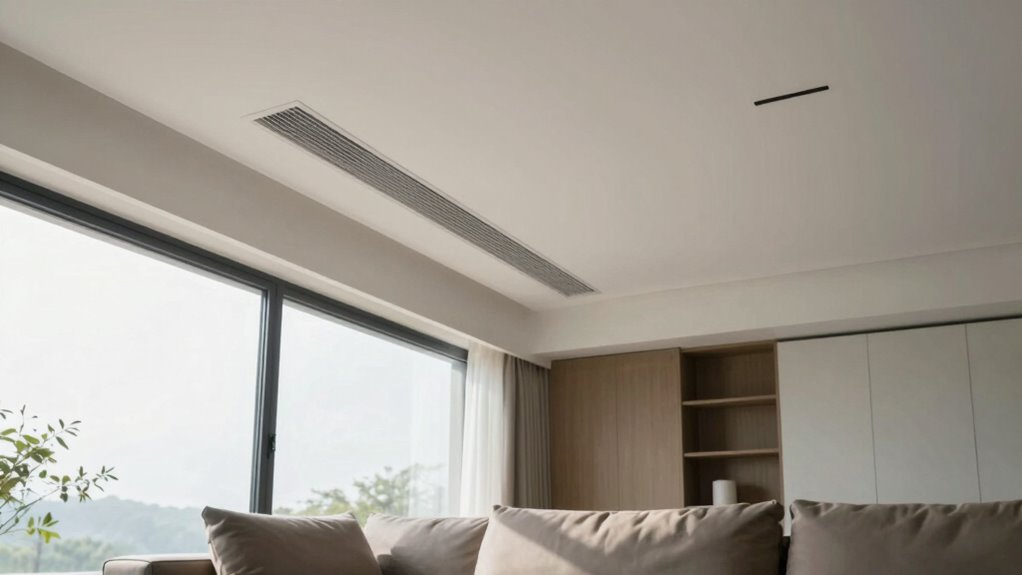
Have you ever considered how low-ambient cooling can make your home more comfortable without relying heavily on traditional air conditioning? This innovative approach leverages the natural temperature differences between indoor and outdoor environments, helping you stay cool more efficiently. While it might sound complicated, the key lies in understanding how to optimize your home’s design and systems for maximum energy efficiency. Many homeowners overlook the importance of proper installation tips when integrating low-ambient cooling, which can considerably impact performance and savings.
First, you need to think about how your home’s structure interacts with outdoor temperatures. Proper insulation and shading are essential because they help maintain a cooler indoor environment naturally. Installing reflective roofing materials or adding exterior shading devices like awnings or trees can reduce heat gain during the hottest parts of the day. These steps aren’t just about comfort—they directly influence energy efficiency because your cooling system won’t have to work as hard to maintain a comfortable temperature. When planning your setup, focus on airtight construction to prevent warm air infiltration, which can undermine your cooling efforts. Recognizing how climate considerations influence cooling strategies can help you make more informed choices. Additionally, understanding how building envelope performance impacts indoor temperatures can further enhance your cooling efficiency.
Proper insulation and shading boost natural cooling and energy efficiency.
When it comes to installation tips, your focus should be on positioning and system integration. For low-ambient cooling, the placement of your cooling units and their connection to your home’s ventilation system matters greatly. Installing the equipment at the right height and ensuring proper airflow pathways can improve efficiency. It’s also essential to use high-quality, insulated ductwork to minimize energy losses. If you’re considering a dedicated system for low-ambient cooling, look for models designed to operate effectively at lower temperatures, which can be advantageous during transitional seasons or in cooler climates. Additionally, integrating smart control systems can optimize operation by adjusting cooling based on real-time outdoor and indoor conditions, further enhancing efficiency. Proper system compatibility and seamless integration with your existing infrastructure can also help prevent energy waste and ensure reliable performance.
Another critical aspect often overlooked is the control system. Installing smart thermostats or zone controls allows you to tailor cooling precisely where and when you need it, conserving energy and enhancing comfort. Regular maintenance, like cleaning filters and checking refrigerant levels, also plays a role in maintaining peak efficiency. Keep in mind that a well-designed system, combined with thoughtful installation, ensures that low-ambient cooling remains a reliable and energy-efficient option year-round. Being aware of how technology advancements influence system capabilities can also help you select the most effective solutions for your home.
As an affiliate, we earn on qualifying purchases.
Frequently Asked Questions
How Does Low-Ambient Cooling Impact Indoor Air Quality?
Low-ambient cooling can improve indoor air quality by reducing humidity and preventing mold growth, but it may also cause stale indoor air if ventilation isn’t maintained. You should make certain your filtration systems are working efficiently, as they help remove dust, allergens, and pollutants. Properly balancing cooling and ventilation keeps indoor air fresh, healthy, and comfortable, especially during warmer months when low-ambient cooling is most used.
Can Low-Ambient Cooling Be Used With Smart Home Systems?
You can definitely use low-ambient cooling with smart home systems. Imagine you program your system to activate cooling during the hottest parts of the day, optimizing energy efficiency and comfort. Smart integration allows you to monitor and control your cooling remotely, adjusting settings for maximum efficiency. For example, a homeowner in Texas uses smart controls to reduce energy costs while maintaining a cool indoor environment during peak heat.
What Is the Average Lifespan of Low-Ambient Cooling Units?
You can expect low-ambient cooling units to last around 10 to 15 years with proper maintenance. Their energy efficiency helps you save on energy bills, contributing to long-term cost savings. Regularly cleaning filters and scheduling professional check-ups prolong their lifespan. Investing in quality units guarantees you get the most out of your system, maximizing energy efficiency and reducing replacement costs over time.
Are There Specific Maintenance Requirements for Low-Ambient Cooling?
You should regularly inspect and clean your low-ambient cooling units to maintain energy efficiency and prevent breakdowns. Check refrigerant levels, filters, and coils, especially before peak usage seasons. Proper maintenance can extend the unit’s lifespan, saving you from higher installation costs down the line. Keep an eye on unusual noises or performance drops, and schedule professional servicing annually to guarantee ideal operation and avoid costly repairs.
How Does Low-Ambient Cooling Compare to Traditional Air Conditioning?
Low-ambient cooling is more energy-efficient and cost-effective than traditional air conditioning because it maintains comfort at lower temperatures without overusing energy. You’ll notice reduced energy bills and a smaller environmental footprint. Unlike traditional systems, it works efficiently even during mild weather, saving you money. Regular maintenance guarantees peak performance, but overall, low-ambient cooling provides a smarter, greener way to stay cool and save on costs.
As an affiliate, we earn on qualifying purchases.
Conclusion
Don’t overlook low-ambient cooling — it’s your secret weapon against sweltering summer days. By embracing this simple yet powerful technique, you’ll beat the heat more effectively than a thunderstorm chasing away a wildfire. Remember, a little planning and the right setup can transform your home into a cool oasis, saving energy and money while keeping comfort at an all-time high. Stay cool, stay smart, and let low-ambient cooling work its magic!
As an affiliate, we earn on qualifying purchases.
external shading devices for AC units
As an affiliate, we earn on qualifying purchases.
As an affiliate, we earn on qualifying purchases.
Halloween Picks
halloween
As an affiliate, we earn on qualifying purchases.


