TL;DR

Get backup power and energy gear delivered free with Prime
- Fast, free delivery on millions of items
- Prime Video, Amazon Music and more included
- Member-only deals all year
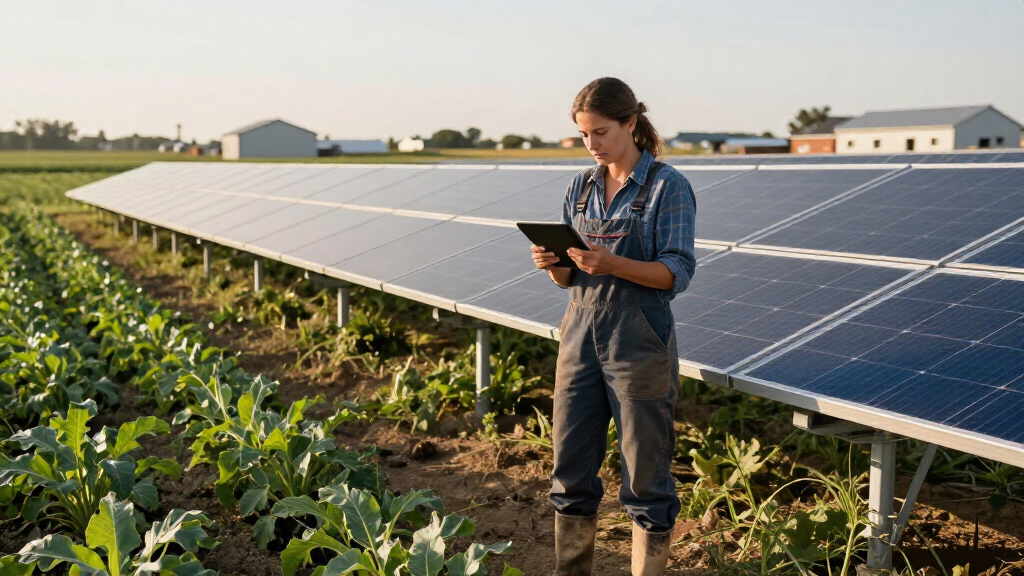
The USDA has imposed new restrictions on grants from the Rural Energy for America Program, making solar projects less eligible and requiring farmers to complete projects before applying. The rules may also affect some grants already awarded but not paid; farmers, developers and advocates are challenging the changes in court.
The U.S. Department of Agriculture has tightened eligibility for grants that help farmers install solar, requiring projects to operate for a year before farmers can apply and limiting grants to 25% of project costs. The rules also restrict some projects based on their power output, location and equipment, and may affect grants already awarded but not yet paid, prompting farmers and clean-energy groups to sue the administration.
The changes apply to the Rural Energy for America Program, or REAP, which provides grants for renewable-energy installations and energy-efficiency improvements at farms and rural small businesses. Under the new rules, solar projects cannot receive grants if they generate more electricity than the farm uses. Projects on cropland and projects with components from countries designated as “foreign adversaries” are also restricted, according to the report.
Farmers must now wait until a solar array has been operating for one year before applying. REAP previously awarded grants before construction, with recipients paying costs upfront and receiving reimbursement afterward. The new sequence leaves applicants to finance construction without knowing whether they will qualify for a grant. The grant cap has also fallen from as much as half of project costs under provisions of the Inflation Reduction Act to one-quarter under the new rules.
The changes reach beyond future applicants: the report says farmers who were promised awards but had not received payment may have to reapply. The lawsuit filed by farmers, solar developers and advocates alleges the revisions have harmed businesses and conflict with congressional directions for REAP. Those are claims in the lawsuit, not a court ruling.
Farm Projects Face More Upfront Risk
REAP grants can shape whether a farm can afford an energy project. Requiring construction and a year of operation before an application shifts more financial risk to farmers: they must fund the system first and cannot count on reimbursement when deciding whether to proceed. The lower grant ceiling may also leave applicants responsible for a larger share of costs.
The restrictions could narrow the range of projects eligible for support, including systems designed to produce surplus electricity. The report says more than two-thirds of REAP grants historically went to solar, making the rule changes especially relevant to that sector. The practical effect will depend on how USDA applies the rules and how pending grants are handled.
solar backup power system for farm
As an affiliate, we earn on qualifying purchases.
As an affiliate, we earn on qualifying purchases.
A Year of REAP Funding Disruptions
REAP was established under the 2008 Farm Bill to support renewable energy and efficiency projects in rural areas. Its grants have helped farmers lower utility expenses and, where projects produce excess power, sell electricity to the grid.
The changes follow a series of funding disruptions described in the report. A day-one executive order targeting programs funded by the Inflation Reduction Act froze $911 million in REAP funds; those funds were later released. USDA also canceled an application period scheduled for July 2025, announced restrictions on solar projects on productive farmland and equipment linked to foreign adversaries in August 2025, and said in April that it would pause further grants until new rules were established.
The lawsuit was filed three days before the new rules were announced, according to the report. Earthjustice and the Environmental Law & Policy Center are representing farmers, developers and advocates. The groups say the rules harm both people whose grants were already approved and prospective applicants whose plans may no longer qualify.
“Sweeps in much of the global solar supply chain.”
— Environmental Law & Policy Center
solar energy system for rural farm
As an affiliate, we earn on qualifying purchases.
As an affiliate, we earn on qualifying purchases.
Grant Decisions and Legal Challenge
It is not clear how many previously awarded grants will go unpaid or which pending projects USDA will require to reapply. The report does not specify how the department will define or administer every eligibility restriction, including the rule concerning foreign-adversary components.
The lawsuit alleges that the changes are arbitrary, illegal and inconsistent with Congress’ direction for the program. Those allegations have not been resolved in court. The report also says USDA issued the final rules without the usual public-comment process, invoking an exemption for grant-making programs; the Environmental Law & Policy Center disputes the legality of the broader changes.
As an affiliate, we earn on qualifying purchases.
Comments and Court Proceedings Ahead
A public comment period is open through Nov. 2, according to the source report. The USDA may receive comments as the revised program takes effect, while the lawsuit seeks to challenge the restrictions and their application to affected farmers and businesses.
The next key developments are whether USDA changes or clarifies the rules after comments, how it handles existing grant commitments, and what the court does with the lawsuit. No court decision or final outcome for the named grant recipients was reported in the source material.
As an affiliate, we earn on qualifying purchases.
Key Questions
What changed in the USDA’s farm solar grant rules?
REAP applicants must wait until a solar system has operated for one year before applying. Grants are capped at 25% of project costs, and restrictions apply to projects that generate more than a farm uses, sit on cropland or use components from designated foreign adversaries.
Could farmers lose grants they were already promised?
Some previously awarded grants may be affected if they had not been paid, according to the report. USDA has told some applicants to reapply under the new rules, but the total number of affected grants and their final status are not clear.
Why are farmers and clean-energy groups suing?
The plaintiffs allege that the rule changes harmed farmers and rural solar businesses and violate congressional directives governing REAP. Those are allegations; the court has not ruled on them in the supplied reporting.
When can the public comment on the rules?
The source report says the comment period runs through Nov. 2. It does not provide further details about how USDA will respond to comments or whether the agency will revise the rules.
Source: rss
Halloween Picks
halloween
As an affiliate, we earn on qualifying purchases.