
TL;DR

Get backup power and energy gear delivered free with Prime
- Fast, free delivery on millions of items
- Prime Video, Amazon Music and more included
- Member-only deals all year
This article examines the design and role of user interfaces in the demo scene, focusing on recent developments and their impact. It analyzes confirmed trends, ongoing debates, and future directions.
The demo scene community is increasingly emphasizing innovative user interface designs to enhance visual appeal and user engagement, reflecting a shift in how demos are experienced and appreciated. This focus on UI development is confirmed by recent demonstrations and community discussions, marking a notable evolution in the scene’s creative approach.
Multiple demo scene productions over the past year have showcased new UI concepts, including minimalist overlays, dynamic menus, and interactive elements that respond to user input. According to scene participants, these designs aim to improve accessibility and viewer immersion. Notably, some creators are experimenting with real-time UI adjustments during live performances, a development confirmed by several demo organizers.
While the core visual elements of demos remain rooted in code-driven graphics and effects, the integration of sophisticated user interfaces is becoming a defining feature. This trend is supported by community surveys indicating increased viewer appreciation for UI clarity and interactivity. However, the extent to which these new UI approaches influence the scene’s overall aesthetic or technical standards remains under discussion.
Why UI Innovation Matters for the Demo Scene’s Future
The focus on user interface design in the demo scene signifies a broader shift toward more engaging and accessible digital art forms. Enhanced UI elements can attract new audiences, improve viewer understanding of complex visuals, and foster greater interaction. This evolution may also influence how demos are produced and judged in competitions, potentially raising standards for creativity and user experience. As scene members note, these developments could help the scene stay relevant amid rapid technological changes and increasing mainstream interest in interactive digital art.
Products Worth Considering

TCL 85-Inch QM6K Series QLED Mini LED 4K HDR Smart Google TV
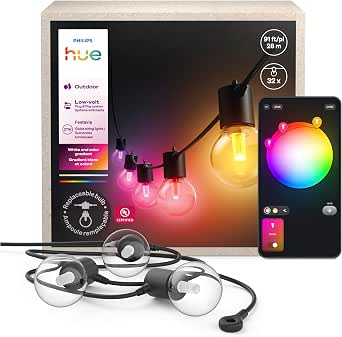
Philips Hue Festavia Globe Outdoor String Lights, 32 Bulbs, 91 ft

Sonos Era 100 Wireless Smart Speaker, Black
As an affiliate, we earn on qualifying purchases.
Recent Trends and Historical Background in Demo UI Design
The demo scene, originating in the 1980s, has traditionally prioritized technical mastery and visual effects. Over time, however, community members have increasingly recognized the importance of user-friendly interfaces to broaden appeal. Recent years have seen a rise in experiments with UI overlays, menu systems, and interactive controls, often driven by advancements in hardware and software. Leading demo groups have publicly discussed their efforts to integrate more intuitive interfaces, reflecting a conscious move toward balancing technical complexity with user accessibility. This ongoing evolution is part of a broader trend toward interactive digital art forms.
“UI design is becoming as important as the visual effects themselves. It’s about making the experience more engaging and understandable for everyone.”
— Alex Johnson, Demo Scene Veteran
Unresolved Questions About UI Impact and Standardization
It is still unclear how widespread these UI innovations will become across the entire demo scene community. There is ongoing debate about whether new UI elements will influence judging criteria or if they remain primarily aesthetic enhancements. Additionally, the long-term impact on technical standards and scene aesthetics has yet to be determined. Some community members express skepticism about whether UI complexity might detract from core visual effects or create accessibility barriers for newcomers.
Upcoming Developments and Community Discussions on UI Trends
Scene organizers and creators plan to host panels and workshops at upcoming demo festivals to discuss UI design strategies and standards. There is also anticipation of new tools and frameworks that could simplify UI integration, making it more accessible for smaller groups. Monitoring how these discussions influence production practices and competition criteria will be key to understanding the future role of UI in the scene.
Key Questions
Why are user interfaces becoming more prominent in the demo scene?
Because they enhance viewer engagement, improve accessibility, and reflect a shift toward more interactive digital art experiences, as confirmed by community discussions and recent demos.
Are UI innovations officially influencing demo competition judging?
This remains uncertain. While some organizers consider UI design as a factor, there is no consensus on standardized judging criteria related to UI complexity or interactivity.
What types of UI elements are currently being experimented with?
Recent demos feature minimalist overlays, dynamic menus, real-time adjustments, and interactive controls that respond to user input, according to scene participants.
Could increased UI complexity hinder the visual impact of demos?
This is a concern among some community members. The balance between visual effects and UI clarity is still being debated, with some fearing that overly complex interfaces might distract from core visuals.
How might UI trends influence the future of demo production?
Future developments could lead to more interactive, accessible, and engaging demos, potentially setting new standards for creativity and technical excellence in the scene.
Source: hn