
TL;DR

Get backup power and energy gear delivered free with Prime
- Fast, free delivery on millions of items
- Prime Video, Amazon Music and more included
- Member-only deals all year
A rising trend shows many new houses look similar and are predominantly white. Experts link this to design preferences, economic factors, and industry standards. The trend’s impact on neighborhoods and homeowners is still unfolding.
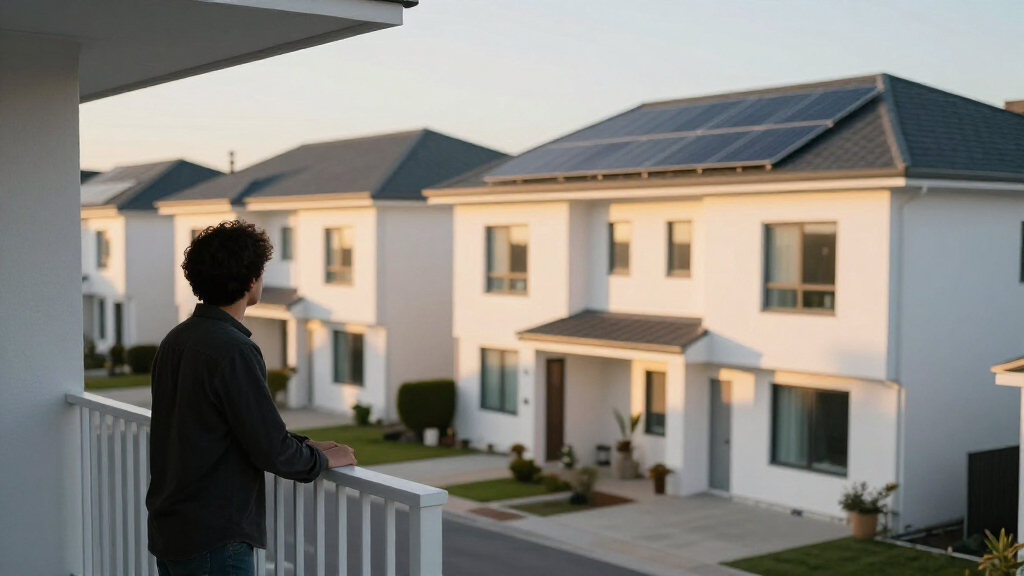
Many new residential developments now feature houses that look remarkably similar and are painted predominantly white, according to recent trend observations. This pattern, noticed across various regions, has garnered increased media attention and online searches. Experts say this uniformity is driven by a combination of industry standards, cost considerations, and aesthetic preferences, making it a notable shift in housing design that affects neighborhoods and homeowners alike.
The trend toward uniform, white houses has become more visible over the past few years, with neighborhoods increasingly featuring homes that share similar architectural styles and color palettes. Industry insiders note that many builders favor this approach because it simplifies construction and appeals to current aesthetic preferences. The widespread use of white exterior paint, often associated with modern minimalism, contributes to a cohesive visual landscape in new developments.
Search data indicates a spike in public interest regarding why houses look the same and why they are mostly white, suggesting a growing awareness or concern among homeowners and potential buyers. While some attribute the trend to consumer demand for clean, simple designs, others point to economic factors, such as the cost-effectiveness of mass-produced materials and standardized construction methods. Despite these confirmed points, the precise reasons behind the trend’s acceleration remain partially unconfirmed, with industry reports still analyzing the drivers.
Impacts on Neighborhoods and Homeowners
This trend influences the visual identity of neighborhoods, potentially affecting community diversity and aesthetic variety. For homeowners, it may impact property values, neighborhood character, and personal expression. The uniformity could also influence future urban planning and development policies, as communities debate the balance between modern design preferences and maintaining unique local identities.
As an affiliate, we earn on qualifying purchases.
Origins of the Modern Housing Design Trend
The shift toward uniform, white houses is part of a broader movement in architecture and real estate that emphasizes minimalism, cost-efficiency, and mass appeal. Historically, housing styles have varied widely, but recent years have seen a consolidation around certain design elements, driven by industry standards and consumer preferences. This trend coincides with the rise of large-scale home builders who favor standardized construction methods to reduce costs and streamline production. Additionally, the popularity of modernist aesthetics, characterized by clean lines and neutral colors, has influenced this visual uniformity.
While the trend is observable across multiple markets, it is still developing, and some experts warn that it might lead to less diverse neighborhoods. The exact factors—such as economic incentives, industry practices, or cultural shifts—are still under study, and no single cause has been definitively identified.
As an affiliate, we earn on qualifying purchases.
Unconfirmed Causes of the Trend’s Rise
While several plausible explanations exist—such as cost savings, aesthetic preferences, and industry standards—the precise combination of factors driving the trend remains unconfirmed. Experts continue to analyze industry reports and market data to determine whether consumer demand, economic incentives, or regulatory influences are the primary catalysts. The role of cultural shifts towards minimalism and the influence of social media trends also remains speculative at this stage.
As an affiliate, we earn on qualifying purchases.
Future of Housing Design and Neighborhood Diversity
Industry analysts anticipate ongoing research into the causes of this trend, with some predicting it may stabilize or evolve as consumer preferences change. Urban planners and community groups are beginning to discuss how to maintain neighborhood diversity amid rising uniformity. Policy discussions may emerge around design standards and regulations to promote variety and local character in new developments. Homeowners and buyers should stay informed about these trends, which could influence future property values and community aesthetics.
standardized home building supplies
As an affiliate, we earn on qualifying purchases.
As an affiliate, we earn on qualifying purchases.
Key Questions
Why are most new houses painted white?
White is favored for its clean, modern look and because it aligns with current minimalist design trends. It also helps in reducing construction costs through standardized materials.
Are all new houses the same style?
Many new developments feature similar architectural styles due to industry standards and cost efficiencies, but some diversity remains depending on location and builder preferences.
Will this trend continue?
It is uncertain. While current industry practices support this trend, shifts in consumer preferences, regulations, or urban planning policies could influence future housing designs.
Does this uniformity affect property values?
Potentially, as neighborhood character and aesthetic appeal influence property values. Uniform neighborhoods might appeal to some buyers but deter others seeking uniqueness.
What can homeowners do if they dislike the trend?
Homeowners can customize their properties through landscaping, renovations, or additions to express individuality, even within uniform neighborhoods.
Source: rss
Fall Picks
fall essentials
As an affiliate, we earn on qualifying purchases.