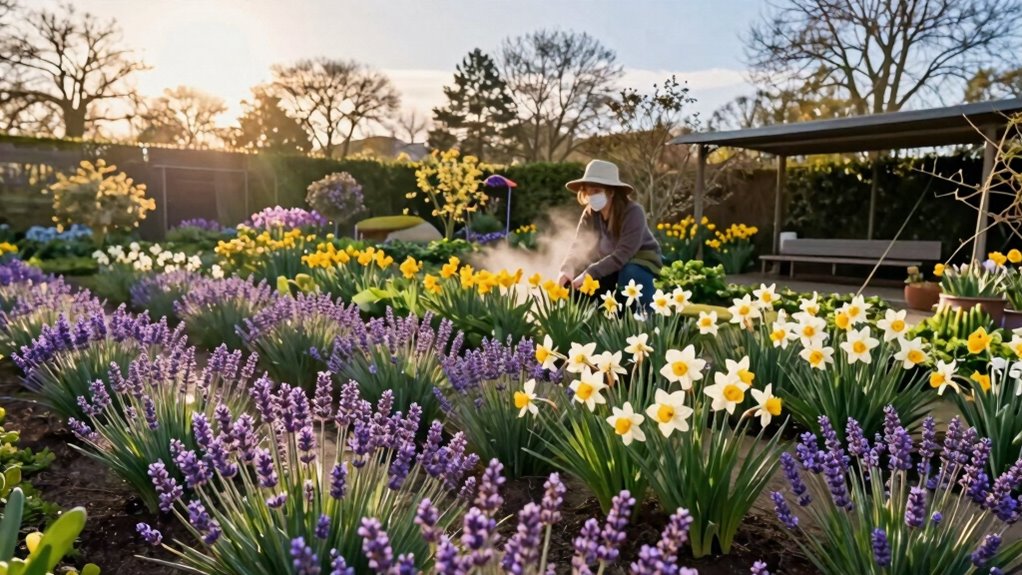

To help during allergy season, pay attention to weather changes. On windy days, pollen spreads more, so stay indoors and keep windows closed. After rain, pollen levels drop, giving you relief—take advantage of those moments. Use air purifiers and monitor air quality to avoid outdoor discomfort. Adjust your routines based on humidity and forecasts to minimize symptoms. Learning more about these environmental shifts can make a real difference in managing allergies effectively.

Get backup power and energy gear delivered free with Prime
- Fast, free delivery on millions of items
- Prime Video, Amazon Music and more included
- Member-only deals all year
Key Takeaways
- Monitor daily pollen forecasts and avoid outdoor activities during peak pollen times.
- Keep windows closed and use air purifiers to reduce indoor allergen levels.
- Plan outdoor activities around weather conditions, avoiding windy and dry days.
- Stay indoors during poor air quality days and use masks if necessary.
- Adjust allergy medications proactively based on weather and environmental changes.

As allergy season shifts, the environment around you is changing in ways that can impact your symptoms. You might notice that pollen counts fluctuate more than usual or that the air quality varies depending on the weather and local conditions. These changes, while often frustrating, can sometimes work in your favor if you pay attention to them. When pollen counts drop, your allergy symptoms tend to ease, making it easier to breathe and enjoy outdoor activities without constant sneezing or itchy eyes. Checking daily pollen forecasts can help you plan your day better, avoiding peak times when pollen levels are high.
Air quality also plays a significant role during allergy season. On days with cleaner air, your respiratory system isn’t under as much stress, which means fewer allergy symptoms. Conversely, if the air quality deteriorates due to pollution or weather patterns, your symptoms might worsen, but this knowledge gives you the chance to adjust your routines. For instance, you can choose to stay indoors during poor air quality days, keep windows closed, and run an air purifier to filter out irritants. These small adjustments can make a big difference in how you feel day-to-day.
You might find that certain weather conditions help reduce allergy symptoms. Rain, for example, can wash pollen out of the air, temporarily lowering pollen counts and improving air quality. After a storm, you might experience relief, giving you a window of comfort. Windy days, on the other hand, can stir up pollen and other allergens, making symptoms worse. Recognizing these patterns allows you to be strategic about outdoor activities. When pollen counts are high, it’s best to limit your time outside or wear a mask to prevent pollen from reaching your respiratory system.
Changes in environmental factors also influence how allergens behave. For example, higher humidity levels can cause pollen to settle faster, reducing airborne particles, while dry, windy conditions can disperse pollen more widely, increasing exposure. Being aware of pollen dispersion patterns can help you better manage your exposure. Additionally, monitoring local weather reports and air quality index updates can further assist in planning your outdoor activities. Incorporating indoor activities during high pollen days or using air purifiers can help you stay comfortable.
Furthermore, understanding the impact of weather on allergen levels can empower you to take preemptive measures, such as adjusting your medication or allergy treatments accordingly. Ultimately, understanding how pollen counts and air quality fluctuate during allergy season helps you adapt proactively. While these environmental changes might sometimes seem inconvenient, they also offer opportunities to minimize your symptoms. With a little planning and awareness, you can make the most of the changing season and find moments of relief amid the pollen and pollution.
As an affiliate, we earn on qualifying purchases.
Frequently Asked Questions
How Do Allergy Seasons Vary by Geographic Location?
You’ll notice allergy seasons vary by geographic location due to differences in climate and vegetation. In urban parks, pollen levels often spike earlier and more intensely because of dense plantings and pollution, while rural areas experience prolonged pollen seasons from abundant fields and forests. You might find yourself more affected in rural regions during peak pollen times, but urban parks can trigger allergies year-round, especially during high pollen counts in spring and summer.
Can Allergy Season Changes Affect Asthma Symptoms?
You might notice your asthma symptoms worsen during allergy season, as pollen levels can spike by up to 50%. These changes directly impact your asthma management, making allergy medication more necessary to prevent flare-ups. When allergy season shifts, adjusting your medication routine can help control symptoms better. Staying vigilant and working with your doctor guarantees your asthma stays manageable despite seasonal changes.
Are There Specific Plants That Trigger Allergy Season Shifts?
Yes, specific plants trigger allergy season shifts due to their blooming and pollen dispersal. Trees like oak, birch, and cedar release large amounts of pollen during spring, while grasses such as Bermuda and ryegrass pollinate in summer. You might notice increased allergy symptoms when these plants bloom and disperse pollen, especially if you’re sensitive. Keeping track of plant blooming times can help you prepare and reduce exposure during peak pollen dispersal periods.
How Can I Track Real-Time Allergy Pollen Levels?
Think of tracking pollen levels like tuning into a weather radio for your allergies. You can check real-time pollen counts through dedicated apps, websites, or local weather forecasts that include allergy updates. Many apps provide daily allergy forecasts, letting you plan outdoor activities or take precautions when pollen levels spike. Staying informed helps you avoid surprises and manage symptoms proactively, making allergy season a little easier to navigate.
Do Climate Change Impacts Influence Allergy Season Timings?
Yes, climate change impacts do influence allergy season timings. You’ll notice that pollution effects and urban heat contribute to earlier and longer allergy seasons. Warmer temperatures and increased pollution boost pollen production and extend pollen seasons, making allergies worse and lasting longer. As cities get hotter and more polluted, you might find allergy seasons starting sooner and stretching into later months, affecting your daily comfort and health.
HEPA air purifier for indoor air quality
As an affiliate, we earn on qualifying purchases.
As an affiliate, we earn on qualifying purchases.
Conclusion
By adjusting your allergy season settings, you take control of your comfort and health. Small changes, like updating your air filters or monitoring pollen forecasts, can make a huge difference. Why suffer through unnecessary symptoms when simple tweaks can bring relief? Don’t let allergy season dictate your days—empower yourself to breathe easier and enjoy life fully. After all, isn’t feeling your best worth every little effort?
As an affiliate, we earn on qualifying purchases.
As an affiliate, we earn on qualifying purchases.
Halloween Picks
halloween
As an affiliate, we earn on qualifying purchases.