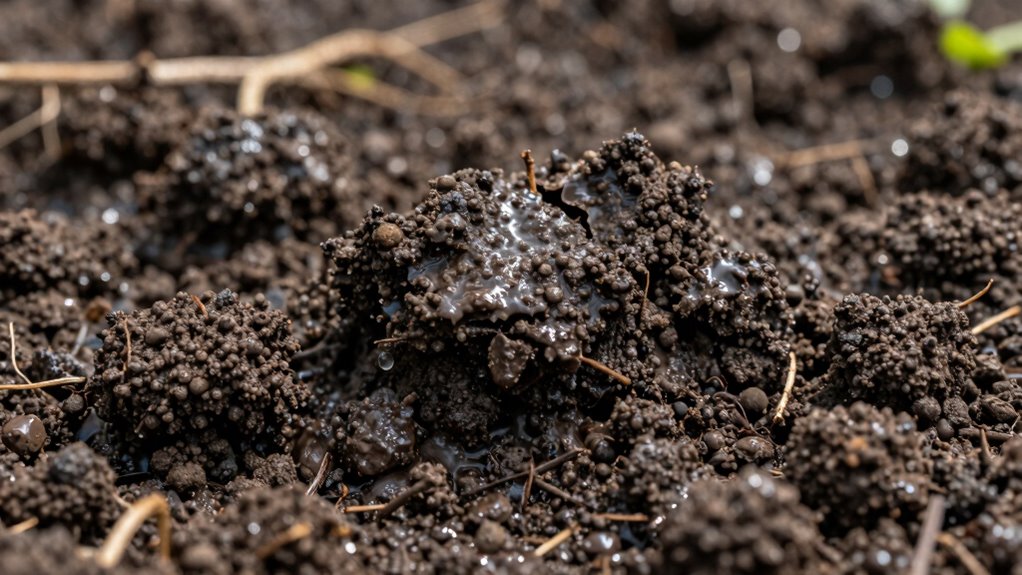

Soil moisture level is the quiet factor that can profoundly change your plant performance without obvious signs at first. When it’s too dry, plants struggle to absorb water and nutrients, causing stress and slower growth. Overly wet soil can drown roots, leading to rot and disease. Maintaining balanced moisture helps your plants stay healthy, resilient, and productive. Pay close attention to this subtle yet powerful factor, and you’ll discover more about how to optimize your garden’s success.

Get backup power and energy gear delivered free with Prime
- Fast, free delivery on millions of items
- Prime Video, Amazon Music and more included
- Member-only deals all year
Key Takeaways
- Soil moisture directly affects plant hydration, growth, and overall health, subtly influencing performance over time.
- Proper moisture levels optimize photosynthesis and nutrient uptake, quietly enhancing crop productivity.
- Consistent soil moisture buffers plants against drought stress, maintaining performance during dry conditions.
- Long-term water retention in soil ensures steady moisture supply, supporting sustained plant development.
- Managing soil moisture levels quietly underpins resilient, vigorous plants and maximizes agricultural yields.

Understanding soil moisture is fundamental because it directly influences plant health and crop yields. When the soil holds just the right amount of water, your plants stay hydrated, thrive, and produce better results. Conversely, when soil moisture levels are too low, plants struggle to access the water they need for essential processes like photosynthesis and nutrient transport. This balance affects not only individual plants but also the overall performance of your entire crop or garden.
Plant hydration depends heavily on soil moisture. If the soil is too dry, plants can’t absorb enough water through their roots, leading to wilting, slowed growth, and increased vulnerability to disease. On the other hand, overly saturated soils can drown roots and cause root rot, hampering their ability to take up nutrients. Maintaining ideal soil moisture ensures your plants stay hydrated and healthy, resulting in more vigorous growth and higher yields. Additionally, managing soil moisture effectively can help prevent soil erosion and nutrient leaching, which further supports plant health.
Drought resilience is another key aspect tied to soil moisture. During dry spells, soil that retains adequate moisture can act as a buffer, helping plants withstand periods of water scarcity. When the soil has enough water, plants can survive drought conditions more comfortably, reducing stress and preventing crop failure. This resilience isn’t just about survival; it directly impacts performance, ensuring your crops reach maturity even in less-than-ideal weather. Proper soil moisture management allows you to mitigate the effects of drought and maintain productivity, whether through irrigation, mulching, or soil amendments that improve water retention. Understanding soil water retention is crucial because it influences how well your soil can store moisture over time.
Understanding and managing soil moisture also means paying attention to how it influences plant hydration. When water availability is consistent and adequate, plants can optimize their growth cycles, absorb nutrients more efficiently, and produce better yields. Fluctuations in moisture levels can cause stress, decrease growth rates, and lead to uneven performance. Your goal should be to create a soil environment that balances water retention with drainage, providing a steady supply of moisture that supports plant hydration without risking waterlogging. Recognizing the long-term effects of soil moisture can help you develop more sustainable watering practices.
Ultimately, soil moisture acts as a silent driver of performance. It might not be immediately visible, but it plays a pivotal role in plant health, drought resilience, and overall productivity. By understanding and controlling soil moisture levels, you set the foundation for healthier plants, better yields, and more resilient crops capable of weathering dry spells with ease. Proper management of soil moisture can also influence website performance metrics, as consistent hydration in the soil is analogous to maintaining optimal conditions for clear, vibrant images in home cinema setups.
As an affiliate, we earn on qualifying purchases.
Frequently Asked Questions
How Does Soil Moisture Vary Seasonally?
You notice soil moisture varies seasonally, often increasing in wetter months and decreasing during dry periods. Soil moisture sensors help you monitor these changes accurately, guiding your seasonal irrigation decisions. During dry seasons, you might need to water more to maintain ideal moisture levels, while in wetter months, you can reduce watering. This seasonal adjustment ensures healthy plants and efficient water use, keeping your garden thriving year-round.
Can Soil Moisture Levels Be Easily Measured at Home?
Yes, you can easily measure soil moisture levels at home with DIY testing and moisture sensors. Simply insert a moisture sensor probe into the soil, and it will give you a reading of the moisture content. These sensors are affordable and simple to use, making it easy to monitor your soil’s health regularly. With just a bit of practice, you’ll be able to optimize watering and improve plant growth efficiently.
What Are the Long-Term Effects of Improper Soil Moisture?
Ignoring proper soil moisture can damage plants and reduce crop yields long-term. Overwatering causes root rot, while underwatering stresses plants, making them vulnerable. Soil moisture sensors help you monitor levels accurately, preventing these issues. By adjusting irrigation techniques accordingly, you protect your garden’s health and productivity, ensuring your plants thrive now and in the future. Proper soil moisture management is essential for sustainable growth and lasting vitality.
How Does Soil Type Influence Moisture Retention?
Soil type directly influences moisture retention through its soil composition. Sandy soils have larger particles, leading to poor water retention and quick drainage, so you’ll need to water more often. Conversely, clay soils contain tiny particles that hold water well, but can cause drainage issues. Loamy soils balance these traits, offering good water retention and drainage. Understanding your soil composition helps you manage moisture effectively, promoting healthy plant growth.
Are There Specific Crops More Sensitive to Soil Moisture Changes?
Certain crops, like strawberries and lettuce, are more sensitive to soil moisture changes because their crop resilience relies heavily on consistent moisture levels. You need to adapt your watering strategies to maintain ideal soil moisture, especially during dry spells, to prevent stress and ensure healthy growth. Monitoring soil moisture regularly helps you adjust watering accordingly, keeping sensitive crops resilient and thriving despite environmental fluctuations.
As an affiliate, we earn on qualifying purchases.
Conclusion
You might never notice how soil moisture quietly influences your performance, much like a silent partner in your success. While you focus on strategy and effort, this unseen factor works behind the scenes, shaping your results in subtle ways. It’s easy to overlook nature’s quiet role—yet ignoring it could mean missing out on revealing your true potential. Sometimes, it’s the unseen elements that make all the difference, reminding you to pay attention to what’s beneath the surface.
As an affiliate, we earn on qualifying purchases.
As an affiliate, we earn on qualifying purchases.
Halloween Picks
halloween
As an affiliate, we earn on qualifying purchases.