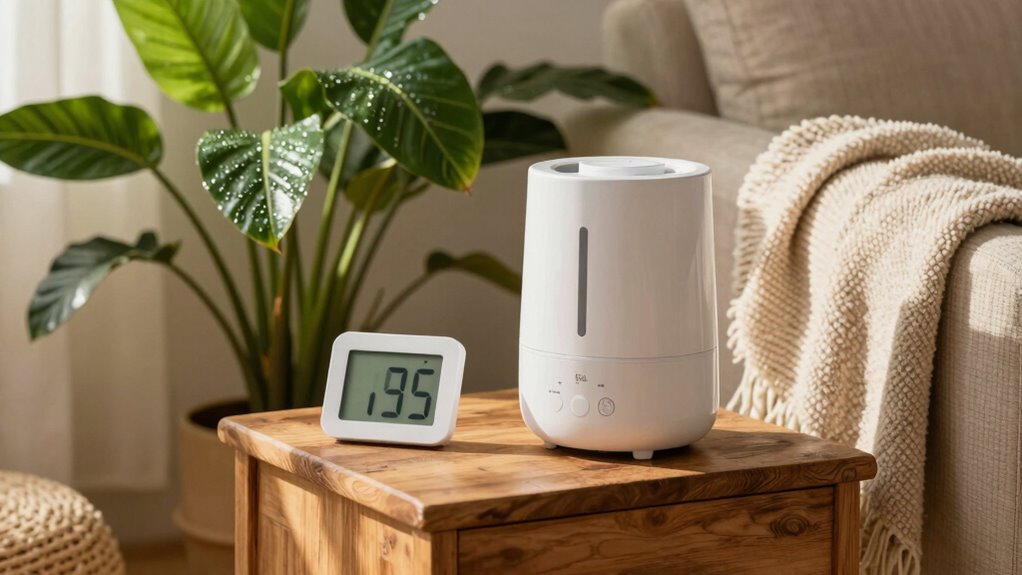

Most homes struggle to keep humidity between 40% and 60%, which is essential for both comfort and health. Too high, and you risk mold growth and pest problems; too low, and your plants and skin suffer. Many overlook the importance of properly monitoring and adjusting moisture levels, leading to issues like mold or plant damage. Want practical tips to maintain the ideal range and prevent these common mistakes? Keep going to discover effective solutions.

Get backup power and energy gear delivered free — and shop member deals
- Fast, free delivery on millions of items
- Access to Prime Big Deal Days deals on October 6–7
- Prime Video, Amazon Music and more included
Key Takeaways
- Many homes maintain humidity levels below 40%, causing plant dehydration and respiratory discomfort.
- Excessively high humidity above 60% promotes mold growth and pest issues.
- Homeowners often neglect regular humidity monitoring, leading to unbalanced indoor conditions.
- Inadequate ventilation exacerbates humidity problems, making it difficult to stay within the ideal range.
- People underestimate the importance of precise humidity control for healthy plants and a mold-free environment.
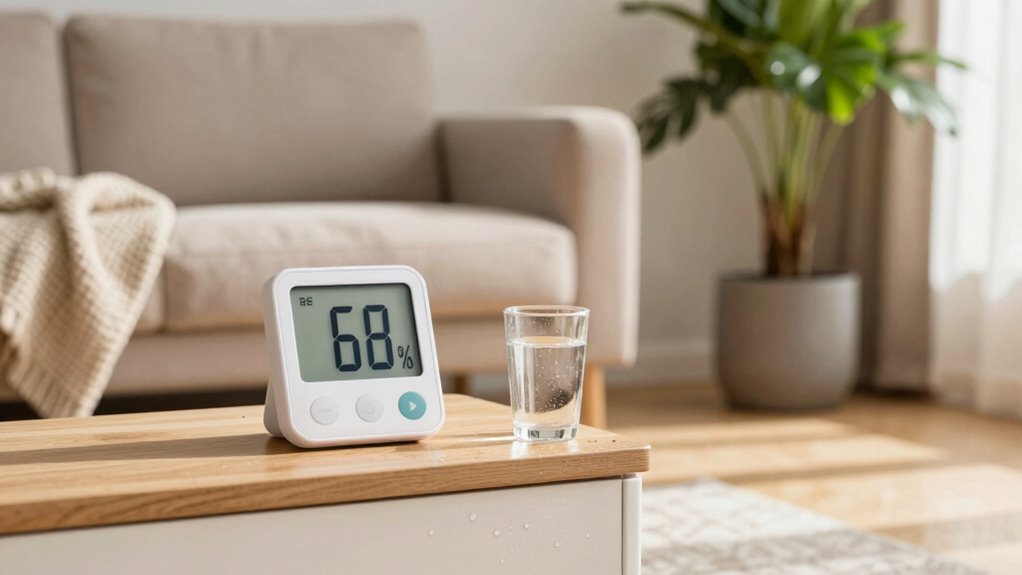
Maintaining the right humidity level in your home is essential for comfort and health, but many people make common mistakes when setting their humidity targets. A frequent error is keeping humidity levels too high or too low, which can negatively impact indoor plant health and increase the risk of mold growth. When you set your humidity too high, you might notice your plants struggling—leaves may turn yellow, develop spots, or become more susceptible to pests. Excess moisture creates a damp environment that indoor plants don’t thrive in, and it can also encourage mold to develop on walls, ceilings, or furniture. Conversely, if your humidity drops too low, you risk drying out your plants’ roots and foliage, leading to wilting and brown tips. Dry air can also cause discomfort to your respiratory system, skin, and eyes, making your home less comfortable overall.
Many homeowners underestimate how vital proper humidity control is for indoor plant health. Plants need a balanced environment to absorb nutrients and grow vigorously. If the humidity level is off, plants can become stressed, making them more vulnerable to pests and diseases. To avoid this, you should aim for a humidity range that supports both your plants and your overall home environment. Usually, maintaining a humidity level between 40% and 60% strikes a good balance. Keeping within this range helps your indoor plants stay healthy and vibrant, while also preventing mold from taking hold. Mold often appears when moisture lingers in poorly ventilated areas, especially if humidity spikes above 60%. It can pose serious health risks, worsening allergies and respiratory issues. Monitoring humidity with a hygrometer allows you to keep an eye on the moisture levels in your home and make adjustments as needed. Regularly checking your indoor environment can help you prevent these issues before they become serious. Proper humidity levels also make your home more comfortable, as sudden fluctuations can cause discomfort, such as dry skin or stuffy air. By paying close attention and adjusting accordingly, you prevent the common mistake of setting a humidity target that’s either too high or too low. This not only benefits your indoor plants but also keeps mold at bay, creating a healthier, more comfortable living space.
digital hygrometer for indoor humidity
As an affiliate, we earn on qualifying purchases.
As an affiliate, we earn on qualifying purchases.
Frequently Asked Questions
How Does Humidity Affect Indoor Air Quality?
Humidity considerably impacts indoor air quality by affecting your comfort and health. Proper humidity regulation keeps moisture levels balanced, preventing mold growth and dust mites that can cause allergies or respiratory issues. When humidity is just right, your home feels more comfortable, and air stays fresh. You can breathe easier, and your space remains healthier overall. Managing humidity is essential for maintaining ideal indoor comfort and improving air quality.
Can Low Humidity Cause Health Issues?
Low humidity can lead to health issues like dry skin, sore throats, and respiratory irritation. When humidity imbalance occurs, it creates conducive conditions for mold growth, which can trigger allergies or asthma. You might notice increased coughing, nasal congestion, or itchy eyes. Maintaining proper humidity levels helps prevent mold proliferation and keeps your air comfortable and healthy, reducing the risk of these bothersome and potentially harmful health problems.
What Are the Signs of Humidity Problems at Home?
You’ll notice signs of humidity problems at home through mold growth on walls or ceilings and musty odors. Excess moisture can cause furniture damage, such as warping or swelling of wood. Additionally, you might see condensation on windows or peeling paint. These are clear indicators that humidity levels are off, and addressing them promptly helps prevent further issues like structural damage or health concerns.
How Does Humidity Impact Energy Efficiency?
Humidity impacts your energy efficiency by affecting how your home retains or loses heat. Proper humidity regulation and moisture control help your heating and cooling systems work less hard, saving energy and reducing costs. When humidity levels are balanced, your home feels more comfortable, and you avoid overworking your HVAC system. This efficient moisture control prevents unnecessary energy waste and keeps your home cozy without skyrocketing utility bills.
Are There Seasonal Changes in Ideal Humidity Levels?
Think of your home as a chameleon, adapting to seasonal fluctuations in the air. Yes, ideal humidity levels change with the seasons—lower in winter to prevent dampness and mold, higher in summer to keep things comfortable. You need to adjust humidity adaptation accordingly, ensuring your home feels cozy year-round. Maintaining these seasonal changes helps protect your space and boosts overall comfort, no matter what the weather brings.
home humidifier with adjustable settings
As an affiliate, we earn on qualifying purchases.
As an affiliate, we earn on qualifying purchases.
Conclusion
If you’re not maintaining your home’s humidity between 30-50%, you might be inviting problems like mold or dry skin. Did you know that according to the EPA, indoor humidity levels often fluctuate outside this ideal range, increasing energy costs and health risks? By paying closer attention to your humidity target, you can improve comfort and health while saving money. Don’t overlook this simple yet essential detail—your home’s air quality depends on it.
dehumidifier for mold prevention
As an affiliate, we earn on qualifying purchases.
As an affiliate, we earn on qualifying purchases.
As an affiliate, we earn on qualifying purchases.
Halloween Picks
halloween
As an affiliate, we earn on qualifying purchases.