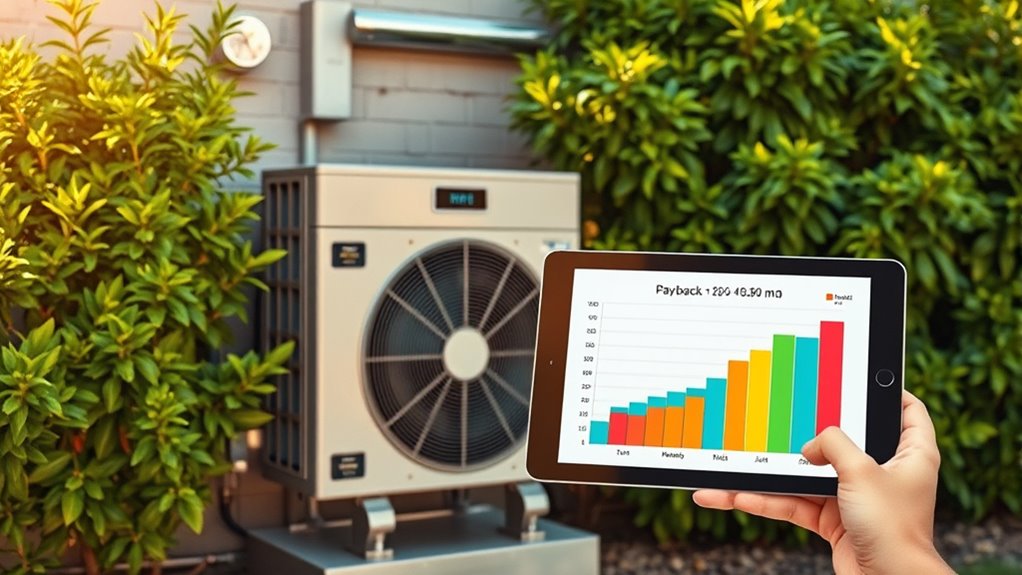

To calculate the payback period for your heat pump, divide your initial investment by your annual energy savings. For example, if the system costs $10,000 and saves you $1,000 annually, it will take about 10 years to recoup your costs. Keep in mind that incentives, costs, and energy prices can affect this. Learning more can help you better understand how to estimate your specific savings and make a smart investment.

Get backup power and energy gear delivered free — and shop member deals
- Fast, free delivery on millions of items
- Access to Prime Big Deal Days deals on October 6–7
- Prime Video, Amazon Music and more included
Key Takeaways
- Determine initial investment costs, including equipment, labor, and additional expenses.
- Estimate annual energy savings based on current bills, regional climate, and heat pump efficiency.
- Divide total investment by annual savings to calculate the payback period.
- Consider factors like system lifespan, energy price trends, and incentives for more accurate projections.
- Use the payback period to assess investment viability and alignment with your financial goals.
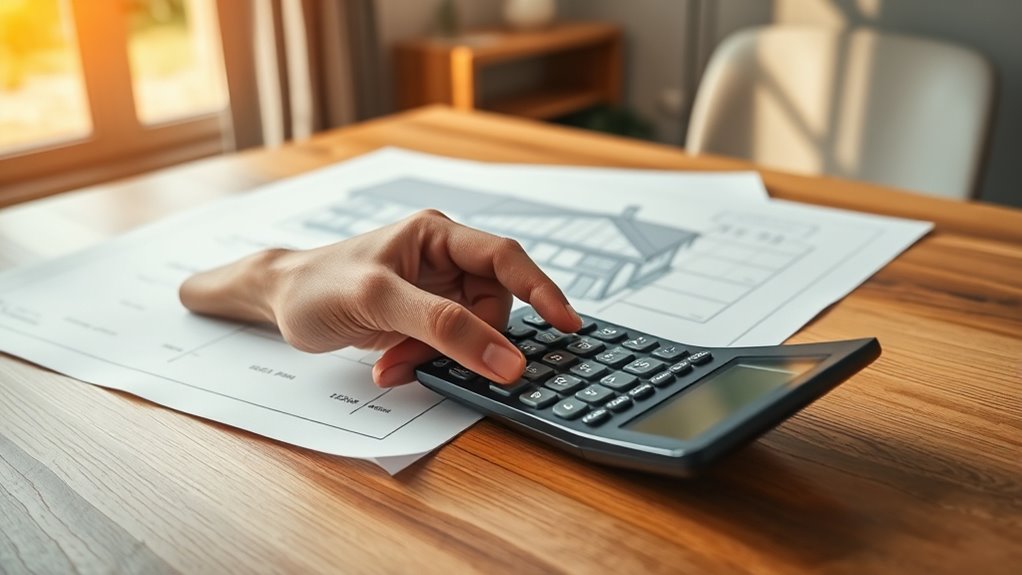
Investing in a heat pump can be a smart move for reducing energy costs, but understanding how long it will take to recoup your initial investment is essential. To do this effectively, you’ll need to perform a thorough financial analysis that considers both the upfront costs and the ongoing savings you’ll experience. A well-executed financial analysis helps you determine whether the investment makes sense given your budget and long-term goals. It involves calculating the total installation costs, including equipment, labor, and any additional expenses, and then comparing these against the energy savings you expect to gain over time.
Energy savings are the core benefit that will eventually offset your initial investment. Heat pumps are known for their high efficiency, which means they use less energy to heat or cool your home compared to traditional systems. When evaluating potential savings, consider your current energy bills and estimate how much the heat pump will reduce these costs. Many manufacturers provide estimates or savings calculators based on regional climate data and your home’s size. Remember, your actual savings may vary depending on usage patterns, local energy prices, and the specific heat pump model you choose.
Heat pumps offer high efficiency, reducing energy bills compared to traditional systems.
Once you’ve gathered all the data, you can calculate the payback period by dividing your initial investment by your annual energy savings. For example, if your total upfront cost is $10,000 and your estimated annual savings are $1,000, your payback period would be ten years. This straightforward calculation gives you a clear timeline, helping you decide if the investment aligns with your financial outlook. Keep in mind that some incentives or tax credits might reduce your initial costs, shortening the payback period.
While a shorter payback period is generally preferable, it’s also important to consider the lifespan of the heat pump, which can often exceed 15 years with proper maintenance. If your system lasts longer than the payback period, you’re not only saving money but also gaining comfort and environmental benefits. Additionally, factoring in potential increases in energy prices can make your savings and payback period appear even more favorable over time. Considering the reliability of backup power options can also ensure your heat pump continues to operate during outages, further protecting your investment.
Ultimately, a detailed financial analysis paired with realistic energy savings projections empowers you to make an informed decision. By understanding the payback period, you can weigh the upfront costs against the long-term benefits, ensuring your investment in a heat pump aligns with your financial and environmental goals.
Frequently Asked Questions
How Does Climate Impact Heat Pump Payback Periods?
Climate greatly affects your heat pump payback period. In colder climate zones with temperature fluctuations, your heat pump may work harder, reducing efficiency and increasing energy costs, which extends payback time. Conversely, milder climates allow your system to operate more efficiently, shortening the payback period. Understanding your climate zone helps you estimate the investment return more accurately and ensures you choose a system suited to your area’s temperature patterns.
What Maintenance Costs Affect Overall Investment Recovery?
Think of maintenance costs as the hidden weeds in your garden—if ignored, they can choke your investment’s growth. You’ll want to monitor efficiency metrics like filter replacements, refrigerant checks, and coil cleanings, as these affect performance. Keep replacement costs in mind too, since parts wear out over time. Regular maintenance not only keeps your heat pump running smoothly but also shortens your payback period, maximizing your investment’s benefits.
Are There Tax Incentives for Heat Pump Installations?
Yes, you can benefit from tax incentives like tax credits and government rebates when installing a heat pump. These incentives can substantially reduce your upfront costs and improve your investment return. Be sure to check local and federal programs, as eligibility varies. Taking advantage of these financial incentives not only makes your installation more affordable but also accelerates your payback period, making your heat pump project more cost-effective.
How Do Different Energy Prices Influence Payback Calculations?
A penny saved is a penny earned, so understanding how energy prices affect payback calculations is key. When energy market fluctuations and pricing volatility rise, your heat pump’s payback period can extend or shorten depending on whether electricity costs increase or decrease. You need to factor in these changing costs, as they directly influence your savings and the investment’s overall viability, making your calculations more accurate amid market swings.
Can Future Energy Savings Vary Significantly?
Yes, future energy savings can vary considerably, especially as renewable energy sources become more cost-effective and installation costs decrease. If renewable energy prices drop or new technologies improve, your savings could increase over time. Conversely, rising energy prices might reduce savings if installation costs stay high. It’s crucial to take these factors into account in your payback calculations, as they directly impact your investment’s long-term profitability.
Conclusion
Understanding how to calculate the payback period for heat pump investments helps you see the financial sunrise after the initial investment fog clears. It’s like planting a seed that grows into savings over time. By crunching the numbers now, you’ll enjoy the warmth of smarter financial decisions and greener living. So, embrace the process—your wallet and the environment will thank you, shining brighter with each passing season.
Fall Picks
fall essentials
As an affiliate, we earn on qualifying purchases.