Oversizing HVAC equipment seems like a way to guarantee quick comfort, but it actually wastes money over time. Bigger units cycle on and off more often, using more energy and causing wear on components. This short-cycling reduces efficiency and shortens the system’s lifespan, leading to costly repairs. Proper sizing balances comfort and savings. If you want to discover how to avoid this costly mistake and improve your system’s performance, keep going.
Key Takeaways
- Oversizing causes frequent cycling, increasing energy consumption and lowering overall efficiency.
- Excess capacity leads to premature wear, reducing equipment lifespan and increasing repair costs.
- Rapid temperature changes from oversized units hinder proper dehumidification and indoor air quality.
- Larger systems waste energy during startup, raising long-term operating expenses.
- Proper system sizing ensures optimal performance, durability, and cost savings over years.
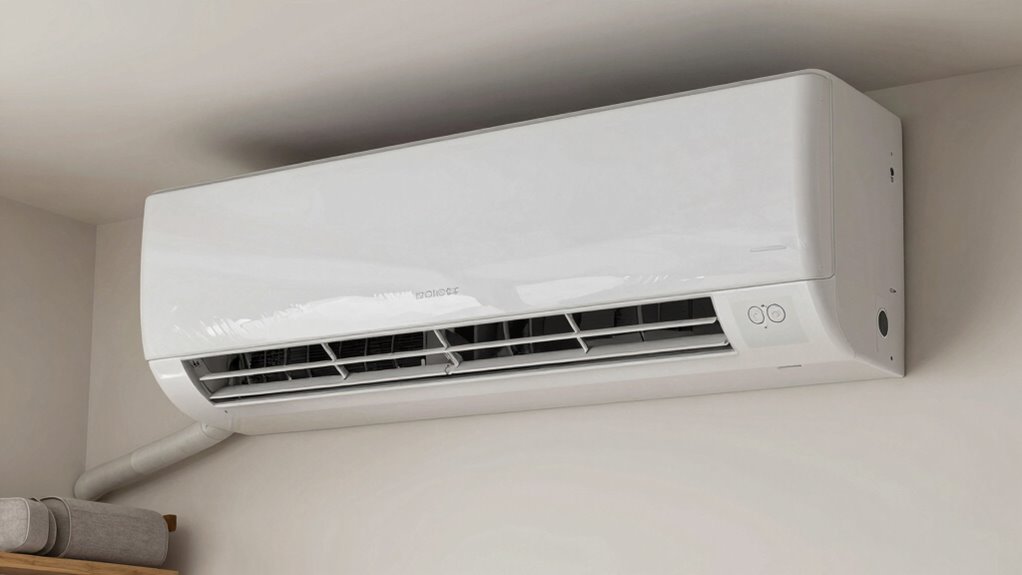
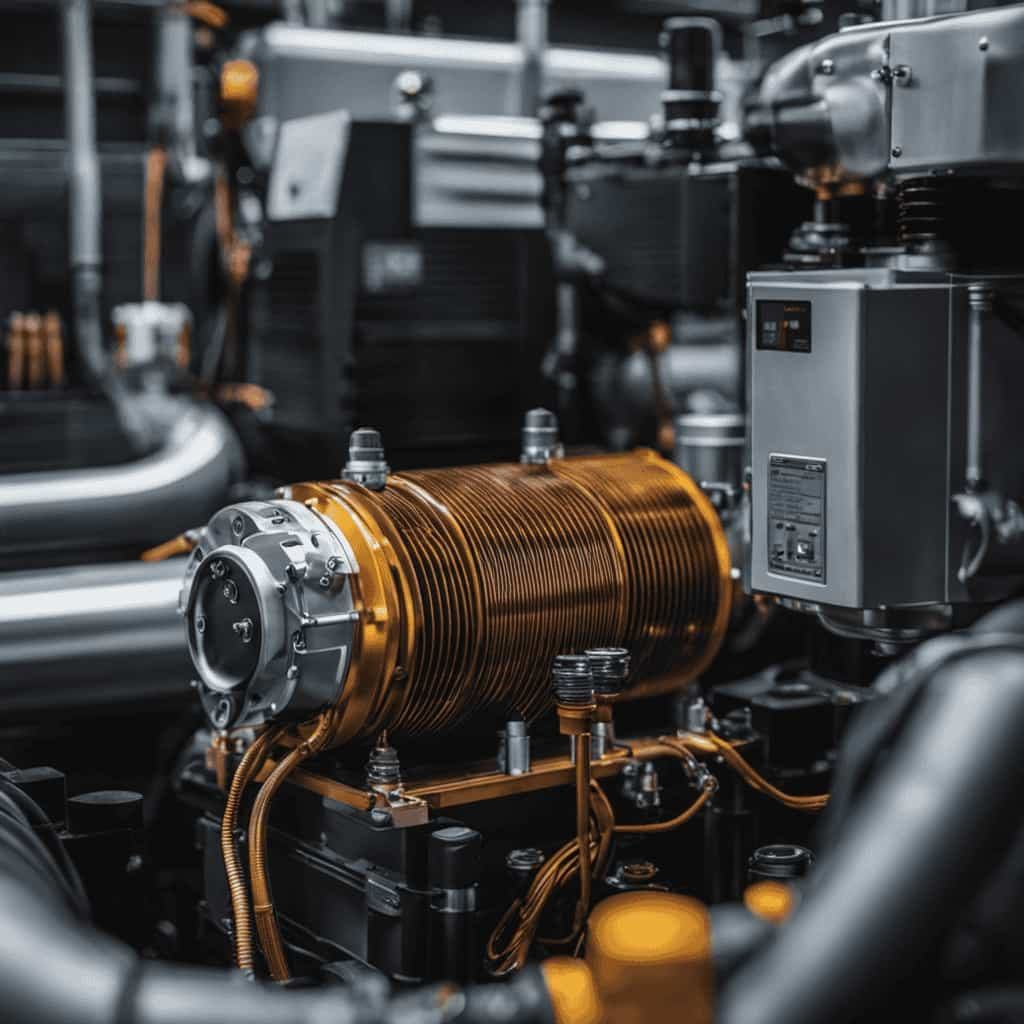
Have you ever thought bigger is always better when it comes to equipment or system sizing? It’s a common misconception that larger units will perform more effectively and save you money in the long run. But in reality, oversizing your equipment can lead to serious drawbacks, especially when it comes to energy efficiency and equipment lifespan. When you install a system that’s too powerful for your needs, it tends to cycle on and off more frequently, which wastes energy and increases operating costs. Instead of running smoothly and efficiently, it constantly kicks in and out, using more power during each start-up. Over time, this unnecessary cycling eats into your energy efficiency and causes your system to work harder than it should.
In addition to higher energy bills, oversizing dramatically shortens the lifespan of your equipment. When a unit is oversized, it often faces frequent start-stop cycles, putting extra stress on components like compressors, fans, and motors. This constant strain accelerates wear and tear, leading to premature failures and costly repairs. You might think that having a bigger system will last longer, but the opposite is true if it’s not properly matched to your actual needs. Proper sizing also involves understanding transfer-switch fundamentals and how they contribute to safe, efficient operation of backup systems—oversized equipment can complicate these systems and reduce their effectiveness. Additionally, understanding system load calculation is crucial to ensure your system is correctly sized for your specific environment, preventing unnecessary strain and inefficiency. Properly sizing your equipment can also help prevent short cycling, which is a common issue with oversized units and directly impacts system performance and longevity. Over time, the increased operational stress reduces the overall durability of the equipment, forcing you to replace parts sooner than expected and increasing your long-term costs.
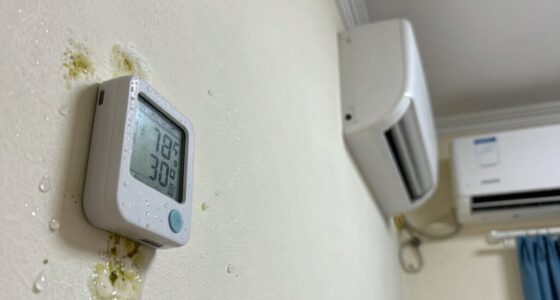
Beyond the financial implications, oversized systems also tend to compromise comfort. They tend to cool or heat spaces too quickly, which prevents the system from properly dehumidifying or maintaining a consistent temperature. This can create uncomfortable fluctuations and indoor air quality issues. When systems are not properly sized, it becomes difficult to achieve the energy efficiency standards that save you money and reduce environmental impact. Proper sizing ensures the system runs at ideal capacity, balancing energy use with comfort and longevity. Additionally, understanding scent balance tips and the role of scent tech can help optimize indoor environments and mitigate some of these issues related to inefficient system operation.
As an affiliate, we earn on qualifying purchases.
Frequently Asked Questions
How Can I Tell if My System Is Oversized?
You can tell if your system is oversized by observing its performance and consulting a professional for proper load calculation. If your system runs constantly without adequately cooling or heating your space, it’s likely oversized. Proper system calibration is essential to guarantee efficiency. A thorough load calculation helps determine the right size, preventing oversizing, saving money, and ensuring comfort. Always get a professional assessment for accurate sizing and peak performance.
What Are the Long-Term Financial Impacts of Oversizing?
Oversizing your system leads to higher initial costs and increased energy bills, impacting your long-term finances. A thorough cost analysis reveals you’ll spend more on unnecessary equipment and frequent repairs, reducing equipment lifespan. Over time, these expenses add up, making oversizing a costly mistake. By choosing appropriately sized equipment, you save money, extend equipment lifespan, and enjoy more reliable performance, ensuring your investment pays off for years to come.
Does Oversizing Affect Energy Efficiency?
Yes, oversizing affects energy efficiency by increasing energy consumption because larger equipment runs more often than necessary, wasting power. It also shortens equipment lifespan since oversized units cycle on and off frequently, causing wear and tear. You’ll find that oversized systems consume more energy and require more maintenance, ultimately leading to higher costs over time. Properly sized equipment guarantees maximum energy efficiency and extends the lifespan of your appliances.
Can Oversizing Damage My Equipment?
Yes, oversizing can damage your equipment over time. When your system is too large, it cycles on and off frequently, causing wear and tear. Proper equipment calibration helps guarantee peak performance, reducing strain. Additionally, maintaining a strict maintenance schedule keeps everything running smoothly. Ignoring oversizing risks unnecessary damage, costly repairs, and shortened equipment lifespan, so it’s crucial to size your system correctly and stay consistent with upkeep.
How Do I Prevent Oversizing During Installation?
Ever wondered how to prevent oversizing during installation? You should start by ensuring proper sizing of your equipment, which involves accurate calculations based on your space and needs. System calibration plays a crucial role too; it fine-tunes the system for peak performance. Always consult with a professional to help determine the right size and perform proper system calibration, avoiding unnecessary expenses and potential damage caused by oversizing.
As an affiliate, we earn on qualifying purchases.
Conclusion
Remember, sometimes less really is more. Oversizing might seem like a safe bet, but it’s an expensive mistake that wastes money for years. Instead, trust the wisdom of “measure twice, cut once.” By choosing appropriately sized solutions, you’ll save money, reduce waste, and avoid unnecessary headaches. Think carefully, plan wisely, and don’t let the temptation of oversizing lead you down a costly path. Your future self will thank you for making smarter choices today.
As an affiliate, we earn on qualifying purchases.

Honeywell Home RTH9585WF Wi-Fi Smart Color Thermostat, 7 Day Programmable, Touch Screen, Energy Star, Alexa Ready, C-Wire Required, Not Compatible with Line Volt Heating Gray
- Customizable Color Design: Personalize to match your décor
- Energy Savings Rewards: Rebates and utility programs available
- Flexible Scheduling: Program for your schedule or peak rates
As an affiliate, we earn on qualifying purchases.
As an affiliate, we earn on qualifying purchases.