
Choosing the right fan speed can quietly lower your energy bill without sacrificing comfort. Lower or medium settings use less electricity while still providing good air circulation. Modern fans often have multiple speed options, so you can select the most efficient one for your needs. Small adjustments, like turning fans to a lower speed during mild weather, make a noticeable difference over time. Keep exploring to learn simple ways to maximize your savings even further.

Get backup power and energy gear delivered free with Prime
- Fast, free delivery on millions of items
- Prime Video, Amazon Music and more included
- Member-only deals all year
Key Takeaways
- Lower fan speeds consume less energy, reducing your electricity bill over time.
- Medium settings often balance comfort and efficiency without high energy costs.
- Using the lowest effective fan speed minimizes unnecessary energy use.
- Modern fans with multiple speed options allow for efficient and quiet operation.
- Incorporating timers or smart controls ensures fans run only when needed, saving energy and costs.
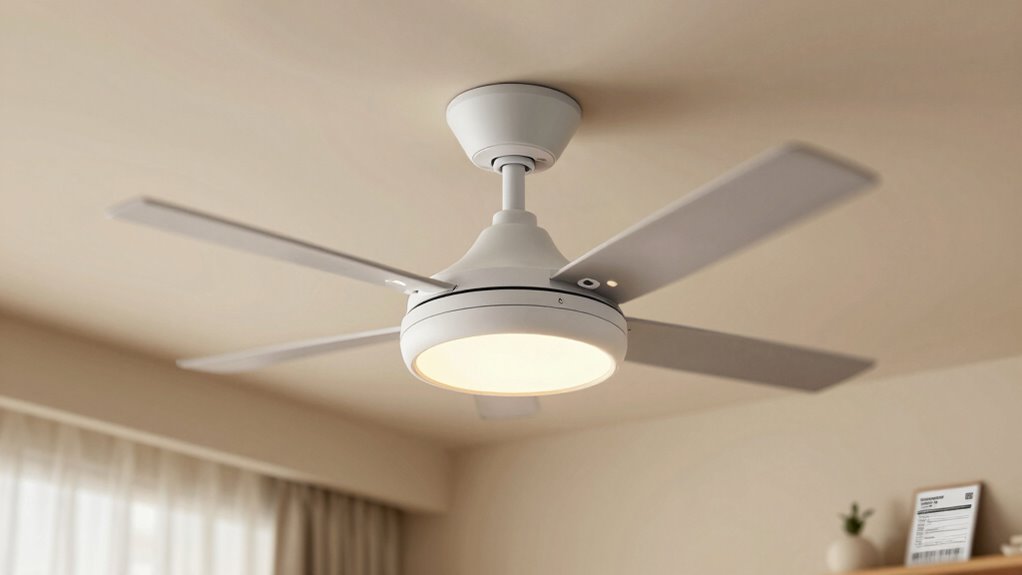
Have you ever considered how your fan’s speed setting impacts your energy bill? Many people overlook this simple adjustment, but it can make a noticeable difference in your monthly expenses. The way you set your fan’s speed directly influences its energy efficiency, which in turn affects your overall energy consumption. When you run your fan on high all the time, you’re likely using more electricity than necessary, leading to higher costs. Conversely, choosing a lower or medium setting when appropriate can help you save money without sacrificing comfort.
Adjusting your fan’s speed isn’t just about comfort; it’s a smart way to manage your energy use. Fans consume a significant amount of electricity, especially if they run continuously or at high speeds. By selecting a lower setting, you reduce power consumption, which results in cost savings on your electricity bill. Many modern fans come with multiple speed options, making it easy to find a balance between comfort and efficiency. For instance, using a medium setting during mild weather can be sufficient to circulate air effectively, without wasting energy on high speeds.
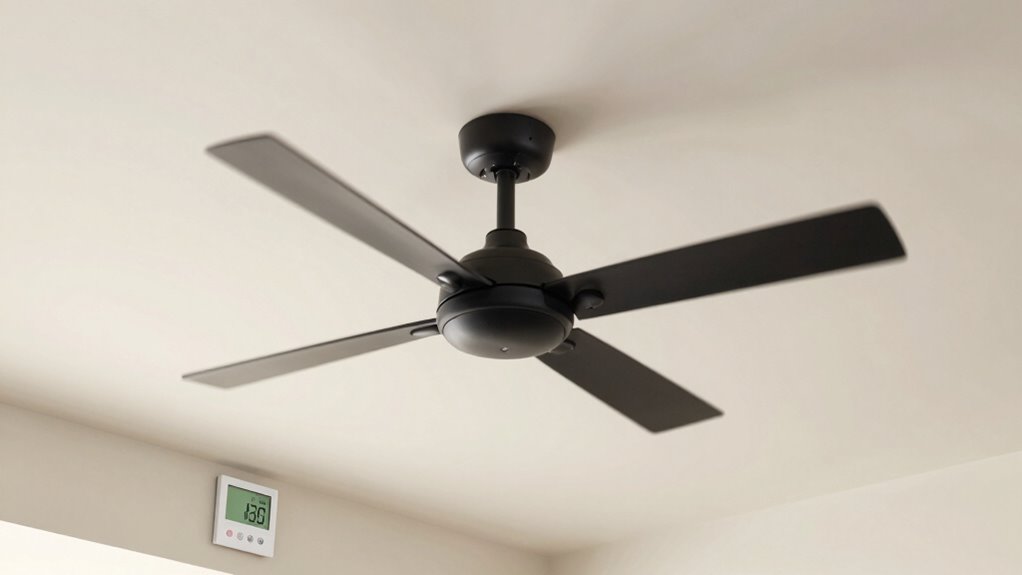
Using medium fan settings during mild weather balances comfort and energy efficiency effectively.
Optimizing your fan’s speed setting also supports better energy efficiency. When you run fans at the lowest effective speed, you’re reducing unnecessary energy use, which is better for the environment and your wallet. This small change can add up over time, especially if you have multiple fans in your home. It’s a simple habit that encourages smarter energy consumption and helps you stay within your budget. Additionally, some fans feature timers or smart controls that help you turn them off when not needed, further enhancing your energy-saving efforts. Incorporating energy-efficient practices into your routine can amplify these savings even more.
Many people believe that fans don’t significantly impact their energy bills, but the truth is, even minor adjustments can lead to noticeable savings. By consciously choosing the right speed setting for each situation, you’re making a proactive effort to cut down on wasted energy. Using home theater projectors or other electronic devices at optimal settings can further improve your overall energy efficiency. As you become more aware of your energy use, you can also consider the benefits of natural ventilation and landscaping to reduce reliance on mechanical cooling systems. Furthermore, understanding the air quality implications of proper ventilation can help you create a healthier indoor environment. Over the long term, these small steps contribute to better energy efficiency and lower costs. It’s about leveraging the features available on your fans to make your home more efficient and eco-friendly.
In the end, the fan speed setting that most quietly changes your energy bill is the one you choose consciously and wisely. It’s a simple, effective way to reduce energy costs while maintaining a comfortable environment. So next time you turn on your fan, consider whether it’s running at the optimal speed—your wallet and the planet will thank you. Microplastics in dust can also be a concern in indoor air quality, highlighting the importance of proper ventilation and air circulation.
energy-efficient fan with multiple speed settings
As an affiliate, we earn on qualifying purchases.
As an affiliate, we earn on qualifying purchases.
Frequently Asked Questions
How Does Fan Speed Affect Indoor Air Quality?
You can improve indoor air quality by adjusting your fan speed. Higher settings increase air circulation, helping to disperse allergens and pollutants more effectively. This reduces allergen distribution in the air, making it cleaner to breathe. However, setting the fan too high might stir up dust and allergens, so finding a balance is key. Proper fan speed guarantees better air quality without compromising comfort or energy efficiency.
Can Adjusting Fan Speed Extend HVAC System Lifespan?
Adjusting your fan speed can definitely extend your HVAC system’s lifespan by optimizing ventilation patterns and airflow dynamics. When you set the fan to a suitable speed, it reduces strain on the system, preventing overworking components. Proper airflow maintains consistent temperatures, minimizing wear and tear. This balance helps your HVAC run more efficiently, reduces potential breakdowns, and ultimately prolongs its operational life, saving you money on repairs and replacements.
Are Certain Fan Speeds More Energy-Efficient for Specific Rooms?
You might think all fan speeds are equally energy-efficient, but that’s not true. For specific rooms, running your fan at a lower speed often saves energy and reduces noise, especially with regular fan maintenance. This setting enhances ventilation benefits by providing just enough airflow without wasting power. Adjusting fan speeds based on room size and use helps optimize efficiency, saving you money while improving comfort.
How Does Fan Noise Vary With Different Speed Settings?
You’ll notice fan noise increases as you raise the speed setting. To achieve fan noise reduction, use speed regulation techniques like setting the fan to a lower, steady speed or utilizing settings with quieter operation. Lower speeds produce less noise, making your space more peaceful. Experiment with different settings to find a balance between comfort and quietness, ensuring your fan runs efficiently without disrupting your environment.
Is There a Recommended Fan Speed for Optimal Comfort and Savings?
Start with a gentle whisper of comfort by setting your fan to a medium speed, balancing noise levels and efficiency. Proper fan placement enhances this harmony, directing airflow without disrupting peace. Avoid the loud, high-speed roar for quiet evenings or energy savings, and steer clear of the sluggish low setting when quick cooling is needed. Adjust based on your space and noise tolerance to find your perfect mix of comfort and savings.
smart fan with timer and remote control
As an affiliate, we earn on qualifying purchases.
As an affiliate, we earn on qualifying purchases.
Conclusion
By simply adjusting your fan speed, you can considerably cut down on energy costs. Did you know that setting your fan to a lower speed can save you up to 15% on cooling bills? It’s a small change with a big impact. Next time you turn on your fan, consider dialing it down. Not only will you save money, but you’ll also reduce your energy consumption, making a positive difference for your wallet and the environment.
quiet oscillating fan for bedroom
As an affiliate, we earn on qualifying purchases.
As an affiliate, we earn on qualifying purchases.
adjustable ceiling fan for energy savings
As an affiliate, we earn on qualifying purchases.
As an affiliate, we earn on qualifying purchases.
Fall Picks
fall essentials
As an affiliate, we earn on qualifying purchases.