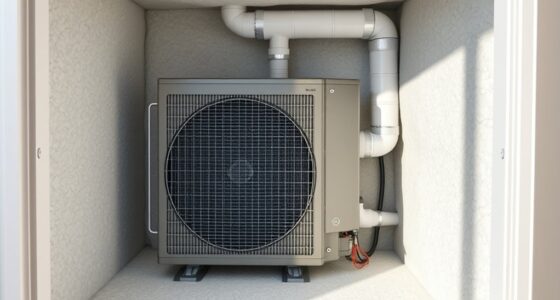
Standby power draw in heat pump systems means your unit uses energy even when it’s turned off but still plugged in. It keeps essential components like control boards, sensors, and communication interfaces active, which slightly raises your energy bills over time. Older or less efficient models tend to consume more standby power, leading to unnecessary costs. Managing this energy drain can save you money and improve efficiency, so keep exploring to discover how you can cut back on these hidden energy losses.
Key Takeaways
- Standby power draw is the energy used by heat pumps when turned off but still plugged in, keeping essential components active.
- It contributes to overall energy consumption, increasing electricity bills despite no active heating or cooling.
- Modern, energy-efficient heat pumps aim to minimize standby power to improve cost savings and reduce energy waste.
- Managing standby power involves selecting models with energy-saving features and regular system maintenance.
- Reducing standby power enhances system efficiency, extends lifespan, and supports energy conservation efforts.
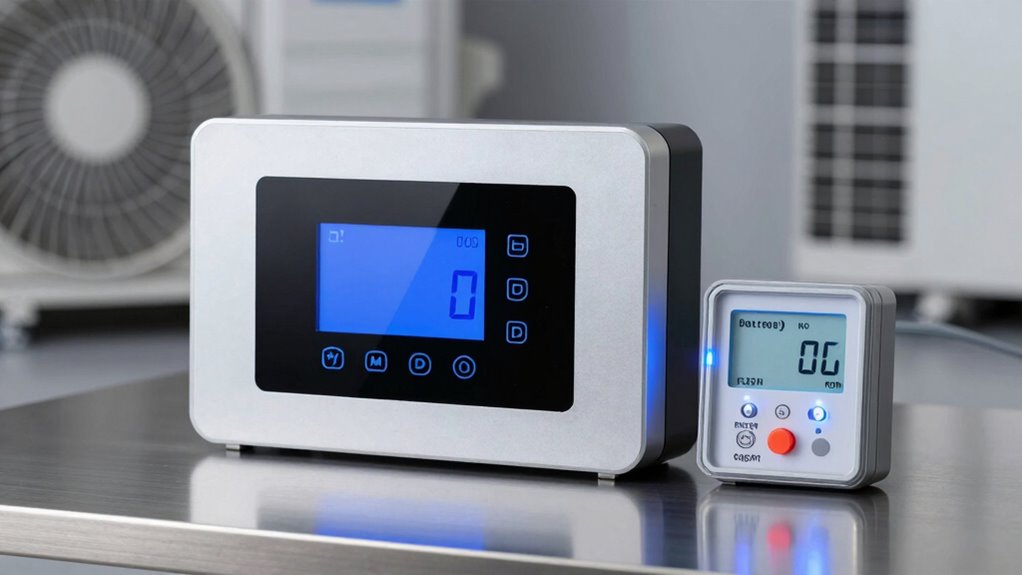
Heat pump systems often draw a small amount of power even when they’re not actively heating or cooling, a phenomenon known as standby power draw. While this might seem trivial at first glance, it can add up over time, impacting your overall energy efficiency and increasing your power consumption. Understanding what standby power draw means for your heat pump helps you better manage your energy bills and make informed decisions about your system’s operation.
Standby power draw in heat pumps can add up, affecting efficiency and increasing energy bills over time.
When your heat pump is in standby mode—such as when it’s turned off but still plugged in—it continues to draw electricity to keep certain components active. These include the control board, sensors, timers, and communication interfaces. Although the power consumption during standby is generally low, it’s enough to contribute to your monthly electricity costs if you have multiple devices or an older system that isn’t optimized for energy efficiency. Recognizing this helps you understand that even when your heat pump isn’t actively working, it’s still using power, which can lead to unnecessary energy wastage. Implementing energy-efficient designs in newer models can further help reduce this standby power draw.
The key concern here is how standby power draw affects your overall energy efficiency. Every watt of power used in standby mode adds to your total power consumption, meaning your energy bills could be higher than they need to be. Modern heat pump systems are often designed with energy efficiency in mind, incorporating features that minimize standby power draw. However, older models or less advanced systems tend to consume more energy in standby mode, which can considerably impact your long-term costs. Regular maintenance and choosing models with advanced technology can help reduce standby power consumption. Additionally, understanding energy-saving features available in newer systems can guide you toward more efficient choices. Being aware of power management options can further optimize your system’s energy use and reduce unnecessary wastage. This knowledge can also help you understand the importance of system upgrades that enhance overall energy performance.
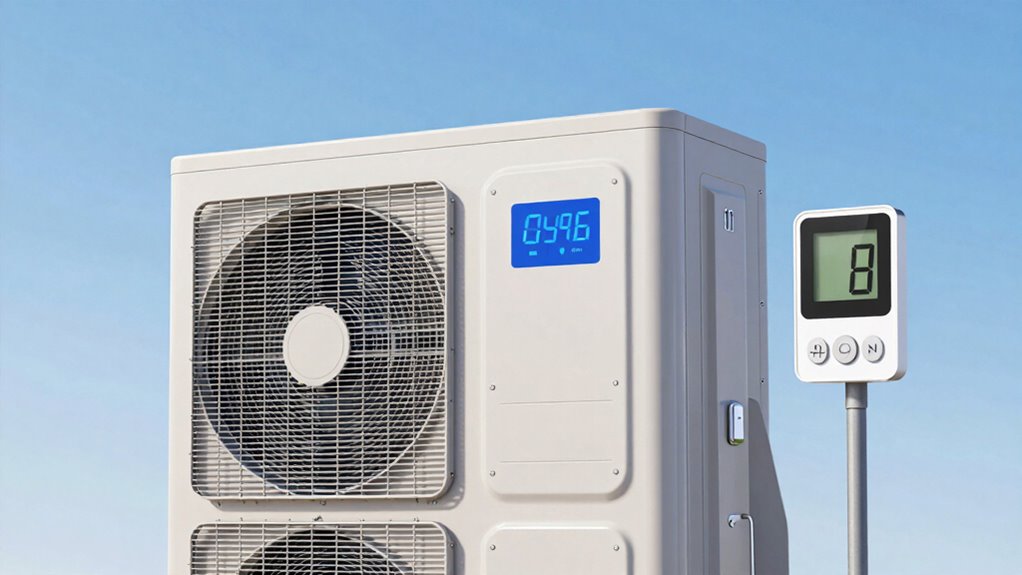
energy-efficient heat pump with low standby power
As an affiliate, we earn on qualifying purchases.
As an affiliate, we earn on qualifying purchases.
Frequently Asked Questions
How Can I Measure My Heat Pump’s Standby Power Draw Accurately?
To measure your heat pump’s standby power draw accurately, you should use a power meter designed for low power consumption. Connect the meter between your heat pump’s plug and the outlet, then turn off all other devices. Use measurement techniques like recording readings over time to get an average. This approach helps you monitor power consumption precisely, ensuring you understand how much energy your heat pump consumes when not actively heating or cooling.
Does Standby Power Contribute Significantly to Overall Energy Bills?
Standby power can add up over time, impacting your energy bills more than you’d expect, especially if your heat pump stays in standby mode frequently. To improve energy efficiency, focus on better power management by unplugging devices or using timers. While standby power isn’t the biggest energy drain, reducing it helps lower costs and supports sustainable energy use. Small changes in managing standby power make a noticeable difference in your overall energy bills.
Are There Specific Heat Pump Models With Lower Standby Power Consumption?
Some energy-efficient models, like the Mitsubishi Hyper-Heating H2i, feature advanced power management to minimize standby power draw. For example, a homeowner notices their energy bills decrease after switching to such a model. These units prioritize low standby power consumption, helping you save on energy costs. When shopping, look for models with energy-efficient ratings and built-in power management features to guarantee minimal standby power draw.
What Are the Environmental Impacts of Standby Power in Heat Pumps?
Standby power in heat pumps increases energy consumption even when the system isn’t actively heating or cooling. This extra energy use contributes to a larger ecological footprint, as it often relies on fossil fuels, leading to higher greenhouse gas emissions. By reducing standby power, you can lower your system’s environmental impact, conserve energy, and support a more sustainable future. Choosing energy-efficient models helps minimize these ecological effects.
Can Standby Power Draw Affect the Lifespan of My Heat Pump?
Standby power draw can silently chip away at your heat pump’s lifespan, like a slow drip eroding stone. While small, constant power use can strain components over time, focusing on efficiency improvements and power management helps shield your system from unnecessary wear. By reducing standby energy consumption, you not only extend your heat pump’s life but also optimize its performance, ensuring it runs smoothly and lasts longer.
heat pump system energy-saving features
As an affiliate, we earn on qualifying purchases.
As an affiliate, we earn on qualifying purchases.
Conclusion
Understanding standby power draw helps you heed hidden hazards and harness helpful hints. By being mindful of minor, maintenance-mandated measures, you can substantially reduce unnecessary energy use and extend your heat pump’s lifespan. So, stay savvy, stay sustainable, and streamline your system’s standby state. Small steps, like switching off when not needed, can make a mighty difference. Mastering these mindful methods means more money saved and a more manageable, more efficient heating and cooling experience.
As an affiliate, we earn on qualifying purchases.

6699 Tankless Water Heater Flushing Kit, 1/6 HP Pump, 2 Hoses, 3 Gal Pail
- Complete Tankless Water Heater Cleaning Kit: Includes hoses, adapters, and pump for maintenance
- Energy-Efficient Submersible Pump: 1/6HP motor with thermal overload protection
- High Flow Rate and Lift: 1100 GPH flow rate, 16.5 ft height
As an affiliate, we earn on qualifying purchases.
As an affiliate, we earn on qualifying purchases.