Big thermostat setbacks don’t always save energy with heat pumps because large temperature drops cause the system to cycle on and off more frequently. This frequent cycling reduces efficiency and can even increase energy use instead of lowering it. Maintaining a more moderate setback helps your heat pump operate smoothly and efficiently. If you want to learn how smart thermostats and climate considerations can optimize your energy savings, keep exploring these helpful strategies.

Get backup power and energy gear delivered free with Prime
- Fast, free delivery on millions of items
- Prime Video, Amazon Music and more included
- Member-only deals all year
Key Takeaways
- Large temperature setbacks cause frequent cycling, reducing heat pump efficiency and increasing energy use.
- Extreme setbacks can overstrain the system, leading to higher energy consumption rather than savings.
- Rapid temperature changes can impair heat pump performance and longevity.
- In colder climates, big setbacks risk system strain and potential issues like frozen pipes.
- Moderate setbacks with smart controls optimize energy savings without compromising comfort or system health.
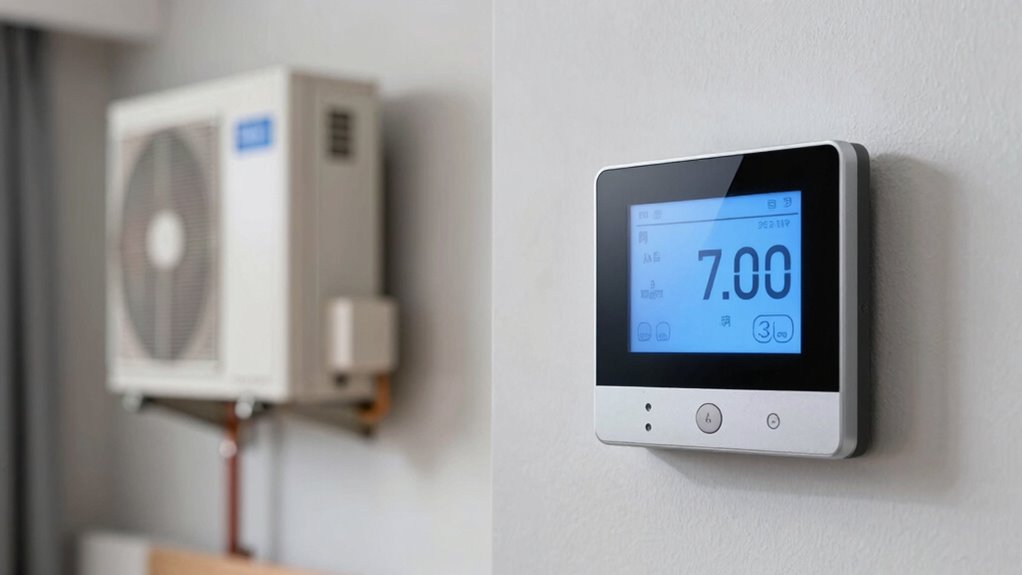
While lowering your thermostat considerably during setbacks might seem like a good way to save energy, it can actually hinder the efficiency of heat pumps. Heat pumps work best when they maintain a consistent temperature, especially in the colder months when they need to work harder to heat your home. Large temperature drops can cause the system to cycle on and off more frequently, reducing efficiency and increasing energy use rather than saving it. Instead of extreme setbacks, a moderate decrease in temperature is often more effective, allowing your heat pump to operate smoothly without overexerting itself. Incorporating diverse designs and smart technology can further enhance your system’s performance and energy savings.
Avoid extreme setbacks; moderate temperatures help your heat pump run efficiently and prevent unnecessary cycling.
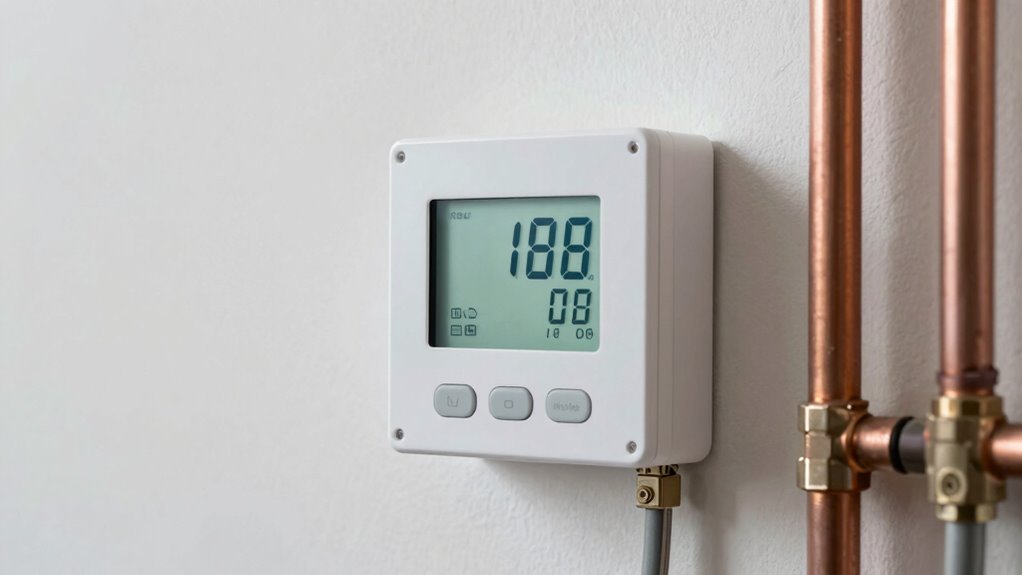
Smart thermostat integration plays an essential role in optimizing this process. These devices learn your schedule, adjust temperatures accordingly, and help avoid unnecessary energy consumption. With a smart thermostat, you can program your heat pump to slightly lower the temperature when you’re away or asleep, then gently bring it back to a comfortable level before you return or wake up. This prevents the drastic temperature swings that hinder system performance. It also provides real-time data, enabling you to fine-tune your settings based on your habits and the specific needs of your home. Additionally, understanding climate zone considerations can help you tailor your setbacks more effectively, preventing unnecessary strain on your system. Recognizing how climate zones influence temperature needs can help you create more tailored and effective setback strategies. Moreover, adjusting your expectations based on your local environment can further improve your energy efficiency.
Climate zone considerations are equally important when deciding how much to setback your thermostat. If you live in a milder climate, larger setbacks might be more feasible because your heat pump doesn’t have to work as hard to maintain warmth. Conversely, in colder zones, extreme setbacks can cause your system to struggle, increasing energy consumption and possibly even risking frozen pipes or discomfort. Understanding your local climate helps you set realistic temperature goals that balance comfort and efficiency. It’s not just about saving energy; it’s about doing so in a way that doesn’t compromise your home’s warmth or your system’s longevity.
Incorporating smart thermostat integration and considering your climate zone aren’t just about saving a few bucks on energy bills—they’re about maintaining a comfortable living environment while keeping your heat pump running efficiently. Instead of making drastic setbacks, opt for moderate adjustments that your smart thermostat can manage intelligently. Be mindful of your climate zone’s specifics to set realistic, effective temperature goals. This approach ensures your heat pump operates at its best, reducing energy waste and extending its lifespan. Ultimately, understanding how to work with your system and environment makes all the difference in achieving true energy savings without sacrificing comfort.
As an affiliate, we earn on qualifying purchases.
Frequently Asked Questions
How Do Heat Pumps Compare to Traditional Heating Systems?
Compared to traditional heating systems, heat pumps are generally more energy-efficient and environmentally friendly. However, some heat pump myths suggest they lose a lot of energy during cold weather, which isn’t always true. In fact, improper setbacks can cause energy loss and reduce efficiency. You should understand that while heat pumps work well in most conditions, managing thermostat setbacks carefully helps maximize savings and avoid unnecessary energy loss.
What Is the Ideal Temperature Setback for Energy Savings?
You should set your thermostat back by about 7-10°F when you’re away or asleep, saving roughly 10% on energy. Smart thermostats optimize this process, adjusting based on your habits to maximize savings without sacrificing comfort. Keep in mind, abrupt setbacks can cause your heat pump to work harder, so gradual changes are better. Knowing your user habits helps you find the perfect balance for efficiency and comfort.
Do Heat Pumps Perform Well in Extremely Cold Weather?
In extremely cold weather, heat pumps often face efficiency challenges, making them less effective at maintaining warmth. You might notice reduced performance and higher energy use during these conditions. While modern cold-weather heat pumps are better than earlier models, they still struggle in severe cold, so you may need a backup heating system or consider alternative solutions for maximum comfort and efficiency in freezing temperatures.
How Does Insulation Affect Heat Pump Efficiency?
Think of insulation as your home’s silent shield. Good wall insulation boosts insulation effectiveness, helping your heat pump work smarter, not harder. When walls are well-insulated, warmth stays inside, reducing the strain on your system. Poor insulation allows heat to escape like a leak in a dam, forcing your heat pump to work overtime. So, upgrading wall insulation enhances efficiency, saving energy and keeping your home cozy during cold months.
Are There Specific Thermostat Settings for Optimal Savings?
You can optimize savings by using smart zoning and programmable thermostats. Set your thermostat to lower temperatures during the night or when you’re away, but avoid extreme setbacks that strain your heat pump. Smart zoning allows you to control different areas independently, saving energy where it’s needed most. With programmable thermostats, you automate these adjustments, ensuring your heat pump runs efficiently without sacrificing comfort.
energy-saving programmable thermostat
As an affiliate, we earn on qualifying purchases.
As an affiliate, we earn on qualifying purchases.
Conclusion
Just like Icarus flying too close to the sun, big thermostat setbacks can lead you astray, especially with heat pumps. Instead of saving energy, you might end up costing yourself more in the long run. Remember, the wise have always known that moderation often beats extremes. So, keep your setbacks gentle and steady—your wallet and the planet will thank you, and you’ll avoid flying too close to the energy-sapping sun.
As an affiliate, we earn on qualifying purchases.
As an affiliate, we earn on qualifying purchases.
Halloween Picks
halloween
As an affiliate, we earn on qualifying purchases.