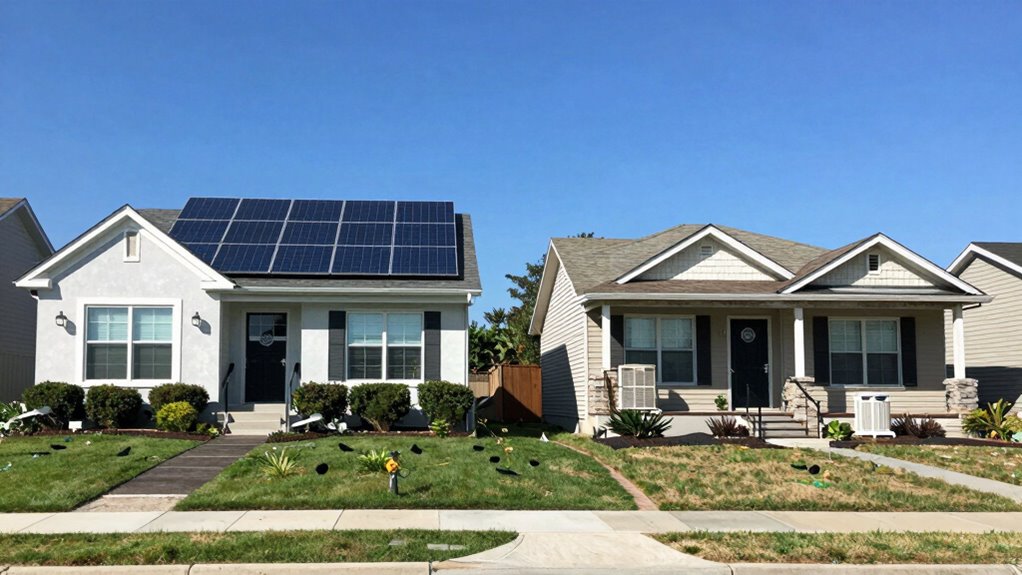

Your home’s insulation, design, and maintenance greatly impact your energy bills, even with the same heat pump. If your home has poor insulation or leaks, your system works harder and costs more. Older homes often need upgrades to stay efficient. Proper sealing, insulation, and smart management help reduce your energy use. If you want to understand how these factors influence costs and how to improve yours, keep exploring for helpful tips.
Key Takeaways
- Differences in home insulation quality affect heat retention and energy efficiency.
- Building design and airtightness influence heat loss and system workload.
- Home age and condition impact insulation standards and energy needs.
- Usage habits, like window opening and thermostat settings, alter energy consumption.
- Regular maintenance and sealing leaks enhance system efficiency and reduce bills.
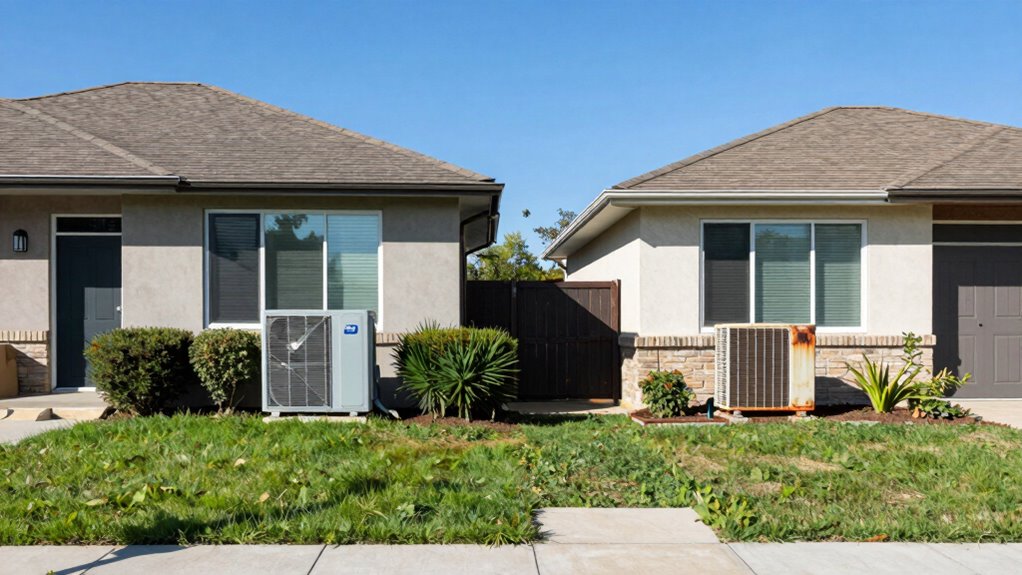
If two homes have the same heat pump, it might seem logical that their energy bills would be similar, but in reality, they often aren’t. The key factors influencing these differences come down to more than just the equipment itself. Your home’s energy efficiency plays a major role, and that’s heavily impacted by insulation standards. Even if both homes have identical heat pumps, variations in how well each house retains heat or cool air can lead to significant disparities in energy consumption.
Good insulation is critical because it helps keep the temperature inside your house stable, reducing the workload on your heat pump. If your home has outdated or inadequate insulation, your system has to work harder to maintain comfort, which increases energy use and raises your bills. Conversely, a house with high-quality insulation standards minimizes heat transfer, allowing the heat pump to operate efficiently and use less energy. Think about walls, attics, floors, and windows—if any of these are poorly insulated, heat escapes or enters more freely, forcing your system to compensate. Ensuring proper insulation can also prevent heat transfer and improve overall comfort. Proper building design can further optimize energy efficiency by reducing unnecessary strain on your HVAC system.
Energy efficiency isn’t just about insulation; it also involves the overall design and maintenance of your home. For example, air leaks around doors and windows can undermine insulation efforts, letting in drafts that make your heating or cooling system work overtime. Regularly sealing leaks, upgrading windows, and ensuring proper insulation can significantly cut your energy costs. Additionally, the age and condition of your home matter. Older homes often have lower insulation standards, which means more energy is required to keep the indoor temperature steady. Proper home design can also influence energy consumption, as a well-designed home can reduce strain on your heating and cooling systems. Implementing energy-saving habits such as adjusting thermostats or using window treatments can further enhance efficiency.
Another factor is how you use your home. If you frequently open windows, leave doors open, or don’t utilize programmable thermostats, your energy efficiency drops, and your heat pump consumes more energy. Proper home management, combined with good insulation standards, ensures your system isn’t overworking itself. Understanding how building design influences energy use can help you make smarter choices for reducing your bills. Regular maintenance of your heat pump and home insulation components can also extend their lifespan and efficiency.
In short, even with the same heat pump, your home’s insulation standards and overall energy efficiency determine how much energy your system consumes. Upgrading insulation and sealing leaks aren’t just small improvements—they can drastically reduce your energy bills. So, if you’re comparing homes or trying to understand why your neighbor pays less, remember that a well-insulated, tightly sealed house requires less effort from your heat pump, leading to more affordable energy bills.

Reach Barrier 3009 Garage Door Insulation Kit
Reach Barrier(Tm) Reflective Insulation And Bubble Barrier Technology Blocks Up To 95-Percent Of Radiant Heat Which Will Help…
As an affiliate, we earn on qualifying purchases.
As an affiliate, we earn on qualifying purchases.
Frequently Asked Questions
How Does Insulation Quality Affect Heating Bills?
Good insulation quality markedly impacts your heating bills because it retains warmth better. If your home has high-quality insulation material and proper installation, your heat pump works less to maintain a comfortable temperature, lowering energy costs. Conversely, poor insulation or poor installation allows heat to escape, making your heat pump work harder and increasing bills. Ensuring your insulation is both effective and well-installed is key to saving money on heating.
Do Window Types Impact Heat Pump Efficiency?
Yes, window types do impact heat pump efficiency. Larger windows or those without proper tinting can let in more heat or cold, making your heat pump work harder. Window tinting helps regulate indoor temperatures, reducing energy use. Additionally, bigger windows can cause heat loss or gain, especially if they’re not double-glazed. So, choosing the right window size and adding tinting can substantially improve your heat pump’s performance and lower your bills.
Can Thermostat Settings Cause Bill Differences?
Yes, thermostat settings can cause bill differences. If your thermostat isn’t calibrated correctly, it may inaccurately read your home’s temperature, leading to inefficient heating or cooling. Using programmable settings helps optimize energy use by adjusting temperatures based on your schedule, saving money. Proper calibration and smart programming guarantee your heat pump runs efficiently, preventing unnecessary energy consumption and reducing your bills.
How Does Ductwork Condition Influence Energy Use?
You can greatly influence your energy use through ductwork condition. Airflow obstructions, like debris or poorly designed ducts, reduce efficiency, forcing your heat pump to work harder. Duct sealing prevents leaks that cause conditioned air to escape, saving energy and lowering bills. Regular inspections and maintenance guarantee your ductwork remains efficient, helping your heat pump operate at its best and reducing overall energy consumption.
What Role Does Local Climate Play?
Your local climate considerably impacts your energy bills. In urban areas, increased urban heat and air pollution can make your heat pump work harder, especially during hot summers or cold winters. High temperatures cause the system to run longer for cooling, while pollution can clog filters, reducing efficiency. These factors make your energy use fluctuate, leading to higher bills even with the same heat pump compared to homes in different climates.

Ninsula 33Ft Door Weather Stripping, (1/2in x 1/4in), Strong Adhesive, Sound Proof, Door Insulation, Weatherproof Foam Tape for Doors, Weatherstripping for Doors Frames, Windows
Extra Long Size: You'll get a 33FT door weather stripping (1/2in x 1/4in). Easy to install, no tools…
As an affiliate, we earn on qualifying purchases.
As an affiliate, we earn on qualifying purchases.
Conclusion
Sometimes, it’s funny how two homes with the same heat pump can end up with such different bills. Maybe one house’s curtains catch the sunlight just right, or perhaps a well-placed shrub shields another from the wind. These tiny coincidences shape your energy costs more than you’d think, turning a simple system into a game of environmental chess. So, pay attention—little details can make all the difference in your monthly bills.
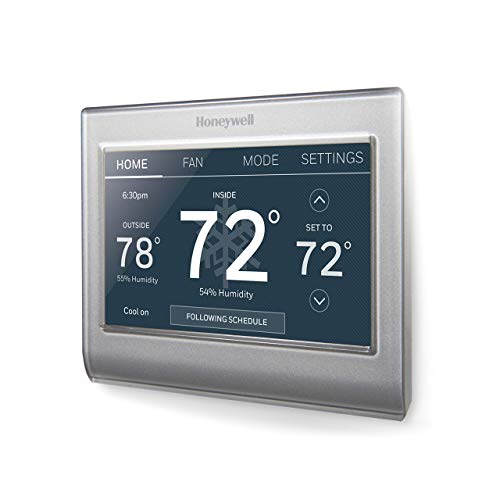
Honeywell Home RTH9585WF1004 Wi-Fi Smart Color Thermostat, 7 Day Programmable, Touch Screen, Energy Star, Alexa Ready, Gray
COMFORT COMES IN YOUR COLOR. Personalize your Wi-Fi Smart Color Programmable Thermostat to fit your décor.
As an affiliate, we earn on qualifying purchases.
As an affiliate, we earn on qualifying purchases.

Simplebrand Ava Sage Green Blackout Curtains for Bedroom 63 Inch Length 2 Panels Set, Solid Thermal Insulated Energy Saving Rod Pocket Window Treatment Curtains Blackout Drapes, W40 x L63 Inch, Sage
Pair Sold: Each package includes 2 panels of short blackout curtains. Each panel measures 40"W x 63"L, with…
As an affiliate, we earn on qualifying purchases.
As an affiliate, we earn on qualifying purchases.