Tired of the high energy bills every month? We have some good news for you.

Get backup power and energy gear delivered free — and shop member deals
- Fast, free delivery on millions of items
- Access to Prime Big Deal Days deals on October 6–7
- Prime Video, Amazon Music and more included
In this article, we’ll be discussing four efficient heat pumps that can help you lower your energy bills. Yes, you heard that right – lower your bills!
With these innovative heat pumps, you can enjoy a comfortable living space while saving money at the same time.
So, let’s dive in and explore the energy efficiency benefits of these amazing heat pumps.

Key Takeaways
- SEER and HSPF ratings are important indicators of energy efficiency in heat pumps
- Regular maintenance and proper insulation can enhance energy efficiency
- Higher COP and EER ratings lead to better energy efficiency and lower energy consumption
- Efficient heat pumps can result in lower energy bills and contribute to overall energy conservation efforts
Evaluating Heat Pump A’s Energy Efficiency
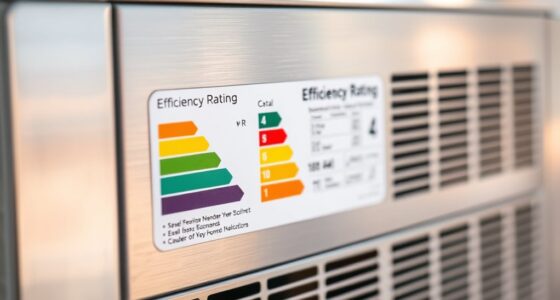
We can evaluate Heat Pump A’s energy efficiency by considering its SEER rating and HSPF rating. The Seasonal Energy Efficiency Ratio (SEER) measures how efficiently the heat pump can cool your home during the summer. The higher the SEER rating, the more energy-efficient the heat pump is. Heat Pump A’s SEER rating indicates that it performs well in terms of energy efficiency.
Additionally, the Heating Seasonal Performance Factor (HSPF) rating measures the heat pump’s efficiency in heating your home during the winter.
By exploring energy-saving options for Heat Pump A, we can further enhance its performance and reduce energy consumption. These options may include regular maintenance, proper insulation, and programmable thermostats.
Evaluating Heat Pump A’s performance and exploring energy-saving options are essential steps to ensure optimal energy efficiency and lower energy bills for homeowners.

Analyzing the Energy Efficiency of Heat Pump B
When assessing the energy efficiency of Heat Pump B, we need to consider its COP rating and EER rating.
The coefficient of performance (COP) measures the ratio of heat output to the amount of electrical energy input. A higher COP indicates better energy efficiency, as the heat pump can produce more heat for the same amount of electricity consumed.
The energy efficiency ratio (EER) measures the cooling efficiency of the heat pump, specifically the ratio of cooling capacity to electrical power input. A higher EER means the heat pump can cool a space more efficiently, resulting in lower energy consumption.
By analyzing these two ratings, we can gain a better understanding of how well Heat Pump B performs in terms of heat production and cooling efficiency.

This analysis is crucial for improving heat pump technology and enhancing overall energy efficiency.
Comparing Energy Efficiency Features of Heat Pump C
Heat Pump C’s energy efficiency features can be compared to determine its performance and potential for lowering energy bills. When evaluating Heat Pump C’s performance, it’s important to consider its Seasonal Energy Efficiency Ratio (SEER) and Heating Seasonal Performance Factor (HSPF).
SEER measures the cooling efficiency of the heat pump, while HSPF measures its heating efficiency. A higher SEER and HSPF indicate greater energy savings. Additionally, Heat Pump C may also have features such as variable speed compressors and programmable thermostats, which further enhance its energy efficiency.
Understanding the Energy Efficiency Benefits of Heat Pump D
Our research shows that installing Heat Pump D can result in significant energy savings and lower utility bills.

To optimize the performance of Heat Pump D and ensure its energy efficiency benefits, regular heat pump maintenance is essential. Heat pump maintenance involves tasks such as cleaning or replacing air filters, checking and cleaning coils, and inspecting the refrigerant levels. These maintenance activities help ensure that the heat pump operates at its peak efficiency, reducing energy consumption and maximizing savings.
Additionally, scheduling professional maintenance inspections can identify and address any potential issues before they become major problems.
Frequently Asked Questions
What Are the Upfront Costs of Installing a Heat Pump System?
Upfront costs for installing a heat pump system vary depending on factors like the size of the home and the type of heat pump chosen. However, these costs can be offset by long term savings on energy bills.
How Long Does It Typically Take for a Heat Pump System to Pay for Itself in Energy Savings?
On average, the payback period for a heat pump system depends on various factors such as energy usage, climate, and installation costs. These factors can influence how long it takes for the system to pay for itself in energy savings.

Can a Heat Pump Be Used as the Sole Heating and Cooling System in a Home?
Yes, a heat pump can be used as the sole heating and cooling system in a home. Heat pump efficiency allows for lower energy bills and the benefits of a reliable and cost-effective heating and cooling solution.
Are There Any Government Incentives or Rebates Available for Installing an Energy-Efficient Heat Pump?
Yes, there are government incentives and rebates available for installing an energy-efficient heat pump. These incentives can help offset the initial cost and promote energy savings for homeowners.
How Often Should a Heat Pump System Be Serviced and Maintained to Ensure Optimal Energy Efficiency?
We recommend regular servicing to maintain optimal energy efficiency for heat pump systems. Common maintenance tasks include cleaning filters, checking refrigerant levels, and inspecting electrical connections.
Conclusion
In conclusion, after evaluating the energy efficiency of four different heat pumps, it’s clear that Heat Pump D stands out as the most efficient option.

Its advanced features and innovative technology make it a top choice for homeowners looking to lower their energy bills.
With its ability to provide effective heating and cooling while minimizing energy consumption, Heat Pump D is a smart investment that will save both money and energy in the long run.
So don’t miss out on this game-changer in home HVAC systems!
Halloween Picks
halloween
As an affiliate, we earn on qualifying purchases.