
TL;DR

Get backup power and energy gear delivered free — and shop member deals
- Fast, free delivery on millions of items
- Access to Prime Big Deal Days deals on October 6–7
- Prime Video, Amazon Music and more included
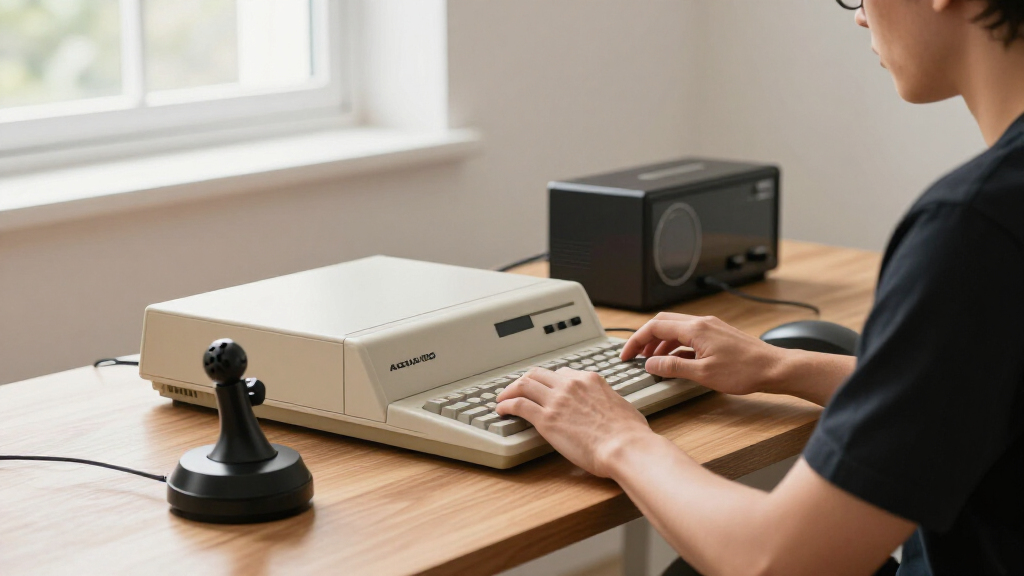
The Amiga 1000, launched in 1985, is now acknowledged as a groundbreaking computer that was a decade ahead of its time. Experts highlight its advanced graphics and multitasking capabilities, which impacted future technology.
The Amiga 1000, first released in 1985, is now widely recognized by industry experts and tech historians as a computer that was a decade ahead of its time. Its innovative architecture, advanced graphics, and multitasking capabilities set it apart from contemporaries and influenced future personal computer designs.
Developed by Commodore, the Amiga 1000 featured a custom chipset that enabled high-quality graphics and audio, which were unprecedented for home computers at the time. Its multitasking operating system allowed users to run multiple applications simultaneously, a feature that would become standard only years later.
Recent evaluations by industry historians and former engineers have emphasized that the Amiga 1000’s architecture anticipated many features now common in modern computers. Despite its initial commercial struggles, the machine’s technological innovations have earned it recognition as a pioneering device in personal computing history.
Impact of the Amiga 1000 on Modern Computing
The recognition of the Amiga 1000 as a device that was ahead of its time underscores its influence on the development of multimedia computing and multitasking operating systems. Its innovations laid groundwork for future personal computers, especially in graphics, sound, and multitasking capabilities, which are now standard features.
This re-evaluation highlights how early technological advancements can be overlooked or underappreciated at the time but later recognized as foundational to current digital technology. It also raises awareness of the importance of innovation in shaping future trends.
As an affiliate, we earn on qualifying purchases.
Retrospective Recognition of the Amiga 1000’s Innovations
The Amiga 1000 was launched in 1985 by Commodore as a high-performance home computer aimed at multimedia professionals and enthusiasts. Its unique chipset, including the Agnus, Denise, and Paula chips, allowed for superior graphics and sound compared to other personal computers of the era.
Although it faced stiff competition from IBM PCs and Apple Macintosh, the Amiga gained a dedicated user base, especially in creative industries. Over the years, its technological features were largely overshadowed by market dynamics and corporate decisions, but recent historical reviews have emphasized its pioneering role.
In 2023, renewed interest in retro computing and the release of detailed technical analyses have led experts to acknowledge the Amiga 1000’s forward-looking design, which prefigured many features that only became standard in the following decades.
“The Amiga 1000 was truly ahead of its time, especially in graphics and multitasking. Its architecture predicted many features we now take for granted.”
— Dr. Emily Carter, tech historian
Amiga 1000 graphics and sound upgrade
As an affiliate, we earn on qualifying purchases.
As an affiliate, we earn on qualifying purchases.
Remaining Questions About the Amiga 1000’s Legacy
While experts acknowledge the technological innovations of the Amiga 1000, the extent of its influence on subsequent mainstream computer designs remains a subject of ongoing discussion among historians. Further research is needed to fully understand its impact on industry development.
Additionally, analyses continue regarding the reasons behind its limited commercial success despite its technological advancements. Market factors and corporate decisions are considered significant contributors.
As an affiliate, we earn on qualifying purchases.
Future Reassessments and Legacy Preservation Efforts
Researchers and retro computing enthusiasts plan to continue examining the Amiga 1000’s architecture and influence through upcoming publications and exhibitions. There is an increasing effort to preserve and emulate its hardware and software, to facilitate ongoing study and appreciation of its contributions.
Further technical retrospectives and restoration projects may provide additional insights into its role in computing history and inspire new developments based on its pioneering features.
As an affiliate, we earn on qualifying purchases.
Key Questions
Why is the Amiga 1000 considered ahead of its time?
The Amiga 1000 featured advanced graphics, sound, and multitasking capabilities that were not common in 1985, anticipating features that became standard in later personal computers.
Did the Amiga 1000 influence modern computers?
While its direct influence is debated, many of its technological innovations laid foundational ideas for multimedia computing and multitasking in future devices.
Why did the Amiga 1000 not achieve widespread commercial success?
Market factors, competition, and corporate decisions contributed to its limited market penetration, despite its technological advancements.
What is being done to preserve the Amiga’s legacy?
Enthusiasts and historians are working on emulation, hardware preservation, and detailed retrospectives to ensure its innovations are recognized and studied.
Will there be new developments related to the Amiga 1000?
Future projects include restorations, technical analyses, and exhibitions that aim to deepen understanding of its role in computing history.
Source: hn
Evergreen bestsellers Picks
bestsellers
As an affiliate, we earn on qualifying purchases.