Are you ready to see if your heat pump measures up to energy-saving standards? We’ve got you covered with an informative article that will guide you through the process.
From understanding green building standards to evaluating your heat pump’s performance, we’ll show you how to ensure it meets the mark.
Plus, we’ll share tips on upgrading your heat pump and highlight the benefits of investing in energy-saving models.
Get ready to make your home more efficient and eco-friendly. Let’s dive in!

Key Takeaways
- Energy-saving heat pumps are important in promoting sustainability and reducing energy consumption.
- Heat pumps transfer heat between indoors and outdoors, resulting in significant energy savings.
- Understanding green building standards and efficiency measures, such as SEER and HSPF ratings, is crucial for ensuring maximum energy-saving potential.
- Upgrading heat pumps to meet energy-saving standards can lead to reduced energy consumption, cost savings, and a smaller carbon footprint.

Mregb Solar Charger Power Bank 42800mAh, Portable Charger, Solar Power Bank,External Battery Pack 5V3.1A Qc 3.0 Fast Charger Built-in Super Bright Flashlight (Orange)
- Simultaneous Device Charging: Charges three devices at once with QC3.0
- Dual USB Ports: Includes two USB outputs for versatile use
- Durable Material: Made from heat-resistant, chemical-resistant ABS
As an affiliate, we earn on qualifying purchases.
The Importance of Energy-Saving Heat Pumps in Green Building
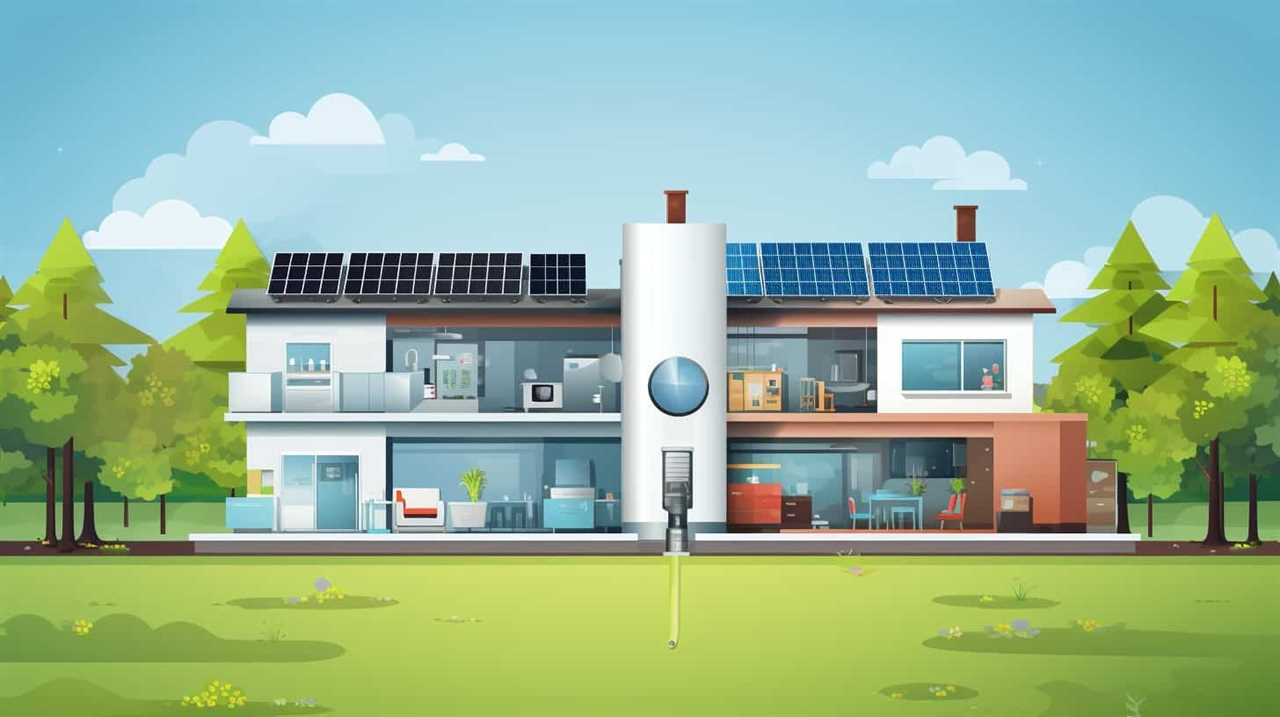
As we delve into the topic of the importance of energy-saving heat pumps in green building, it becomes clear that they play a crucial role in reducing energy consumption and promoting sustainability.
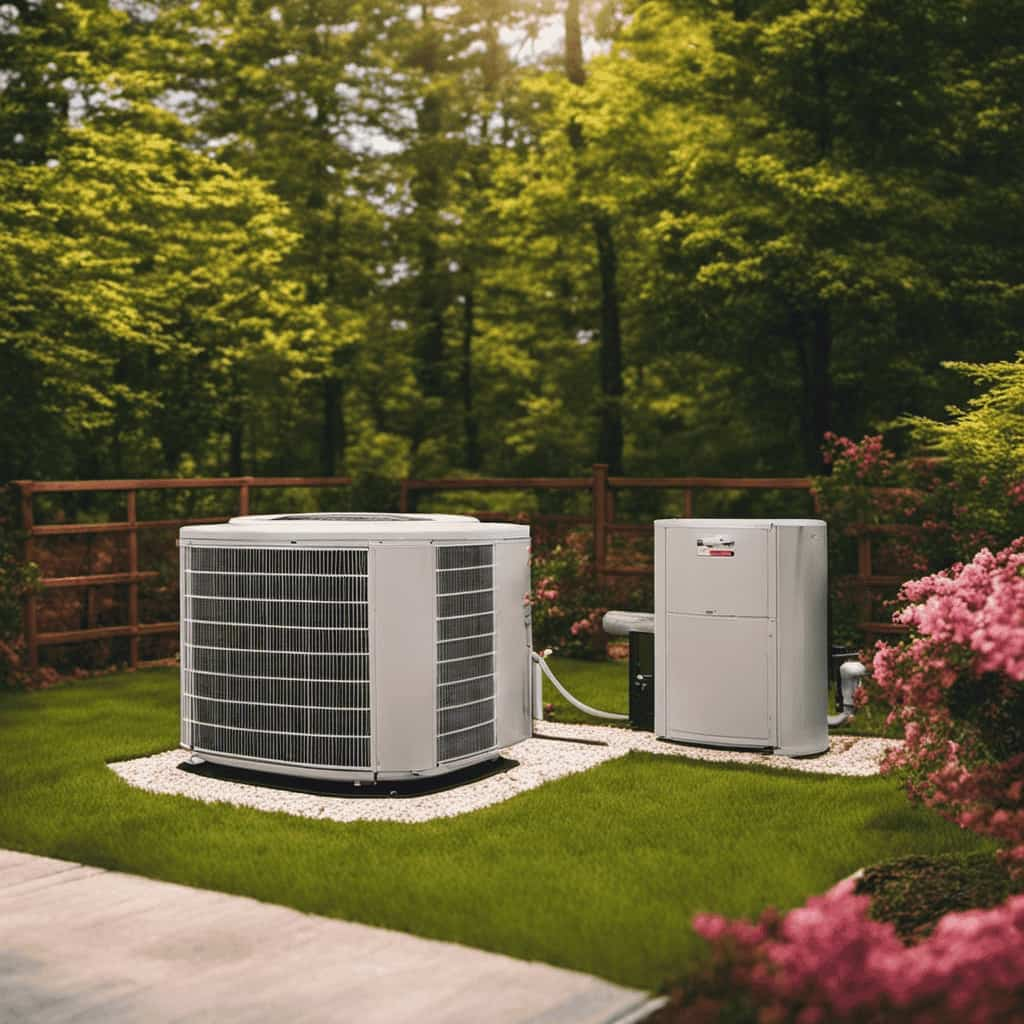
Energy saving heat pump technology and energy efficient HVAC systems are key components of green building design, as they provide effective heating and cooling while minimizing energy usage. These heat pumps utilize advanced technology to transfer heat between the indoors and outdoors, resulting in significant energy savings compared to traditional heating and cooling systems.
By reducing energy consumption, energy-saving heat pumps contribute to lower greenhouse gas emissions and help combat climate change. Furthermore, they’re essential in meeting the energy efficiency requirements of green building standards.
Understanding the green building standards for heat pump efficiency is vital to ensure that these systems meet the necessary criteria and contribute to a sustainable built environment.

SOARAISE Solar Power Bank 48000mAh Wireless Portable Charger with 4 Cables
- High-Efficiency Solar Panels: Charges 5 times faster with 4 panels
- Large Capacity Battery: 48000mAh for extended outdoor use
- Multi-Device Compatibility: Supports 7 devices simultaneously
As an affiliate, we earn on qualifying purchases.
Understanding the Green Building Standards for Heat Pump Efficiency
To meet the green building standards for heat pump efficiency, we must understand the requirements and specifications set forth by sustainable building organizations. These organizations evaluate performance and set standards to ensure that heat pumps are operating at their highest efficiency levels.
Here are three key factors to consider when evaluating the efficiency of your heat pump:
-
Seasonal Energy Efficiency Ratio (SEER): SEER measures the cooling efficiency of a heat pump over a typical cooling season. The higher the SEER rating, the more energy-efficient the heat pump.
-
Heating Seasonal Performance Factor (HSPF): HSPF measures the heating efficiency of a heat pump over a typical heating season. A higher HSPF rating indicates a more energy-efficient heat pump.

-
Energy Star Certification: Look for the Energy Star label, which signifies that the heat pump meets strict energy efficiency guidelines established by the Environmental Protection Agency (EPA).
Understanding these standards is crucial for upgrading standards and ensuring that your heat pump is operating at its maximum energy-saving potential.
Now, let’s dive into how to evaluate your heat pump’s energy-saving performance.

MINRISE Solar Power Bank 40000mAh, Portable Charger PD 20W Fast Charging
- High Capacity Battery: 40000mAh portable power bank
- Universal Device Compatibility: Compatible with all major phones and tablets
- Fast Charging Output: 20W PD Type-C fast charging
As an affiliate, we earn on qualifying purchases.
How to Evaluate Your Heat Pump’s Energy-Saving Performance
We can assess our heat pump’s energy-saving performance by considering its SEER (Seasonal Energy Efficiency Ratio) and HSPF (Heating Seasonal Performance Factor) ratings, as well as its Energy Star certification.
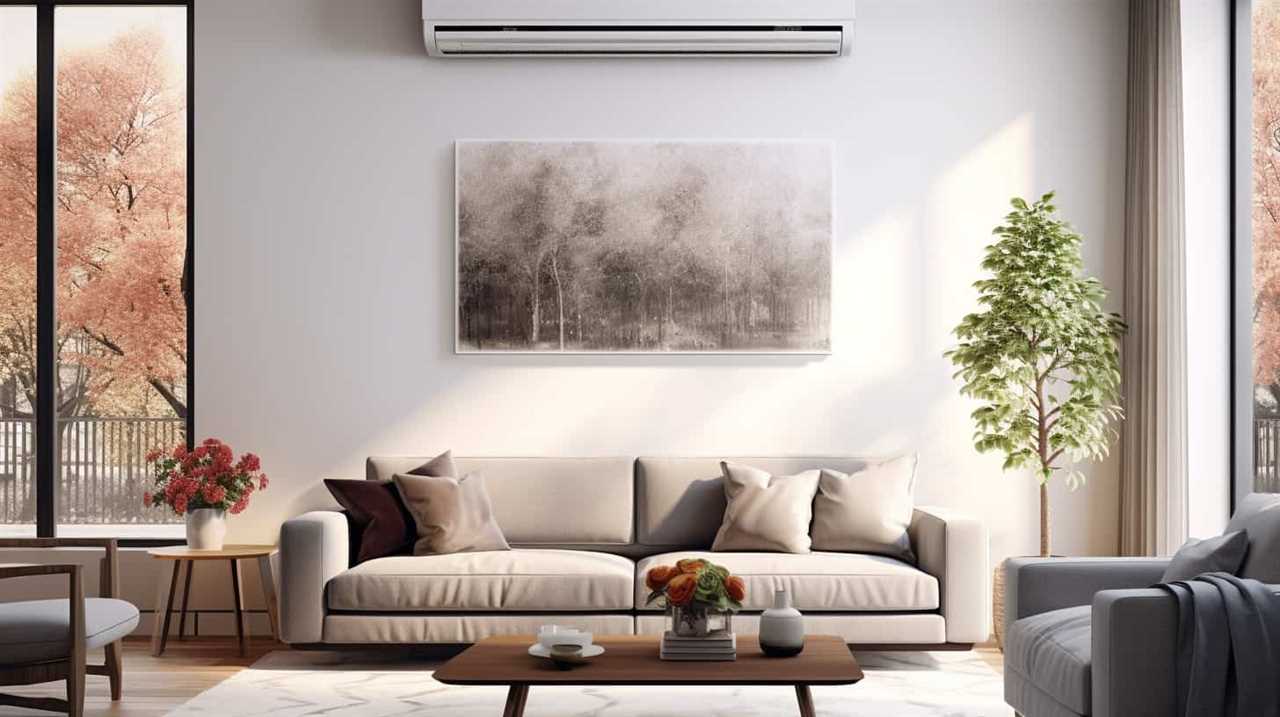
The SEER rating measures the cooling efficiency of the heat pump, while the HSPF rating measures its heating efficiency. Both ratings are important in evaluating the overall efficiency of the unit. A higher SEER and HSPF rating indicates better energy efficiency and lower operating costs.
Additionally, the Energy Star certification ensures that the heat pump meets strict energy efficiency guidelines set by the Environmental Protection Agency. By evaluating these factors, we can determine how well our heat pump performs in terms of energy savings.
In the next section, we’ll provide tips for upgrading your heat pump to meet energy-saving standards.
Tips for Upgrading Your Heat Pump to Meet Energy-Saving Standards
Two key tips for upgrading our heat pump to meet energy-saving standards are:
-
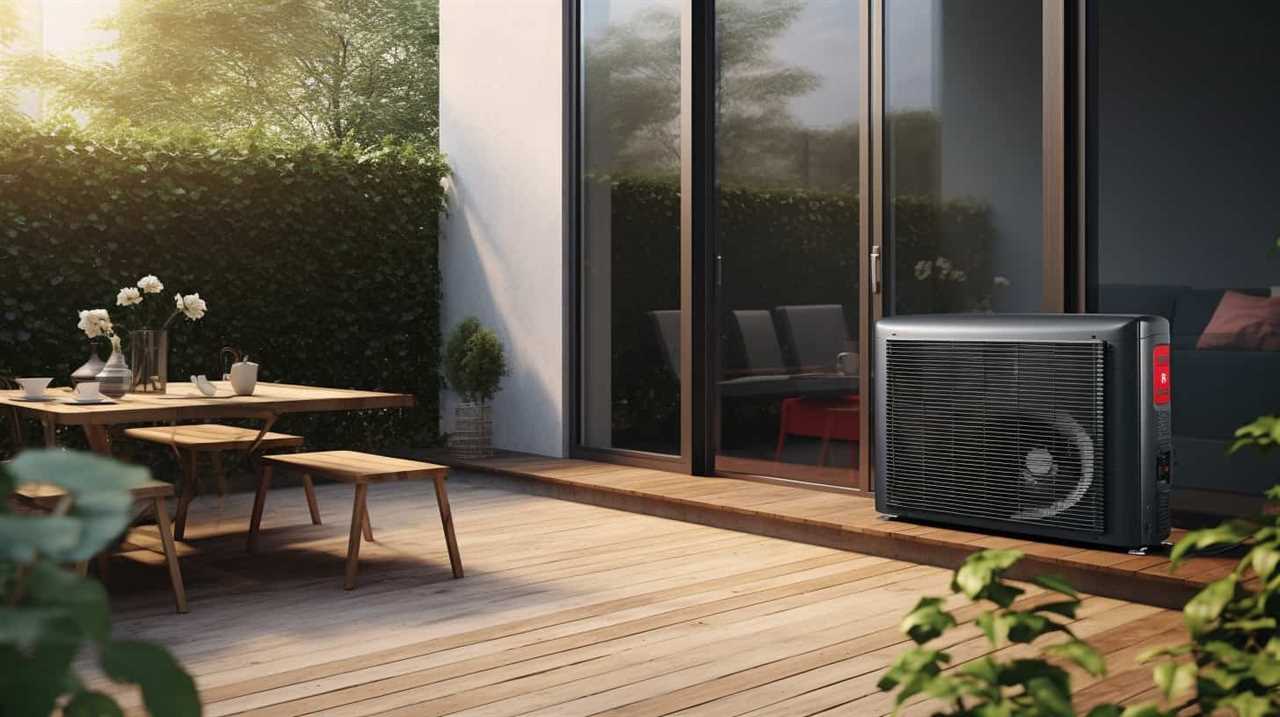
Schedule regular maintenance: Regular maintenance ensures that the heat pump is operating at peak performance, improving efficiency and reducing energy consumption.
-
Consider replacing an older unit: Replacing an older unit with a more efficient model can significantly decrease energy usage and save on utility costs.
When upgrading our heat pump, we should also consider:
-
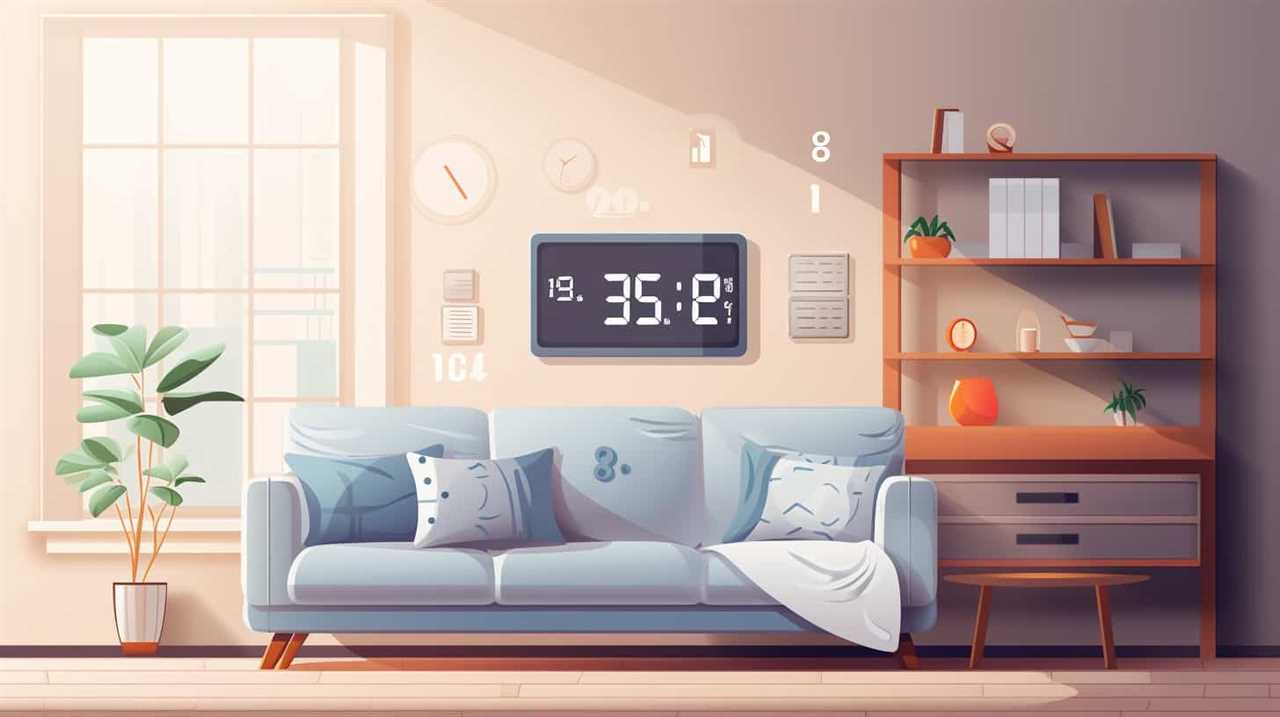
Installing programmable thermostats: Programmable thermostats optimize temperature control and reduce wasted energy.
-
Sealing and insulating ducts: This can prevent air leaks and improve overall system efficiency.
By following these tips, we can upgrade our heat pump to meet energy-saving standards and enjoy the benefits of reduced energy consumption and increased cost savings.
In the subsequent section, we’ll discuss the benefits of investing in energy-saving heat pumps for green buildings.
The Benefits of Investing in Energy-Saving Heat Pumps for Green Buildings
Investing in energy-saving heat pumps can provide numerous benefits for green buildings. These heat pumps are designed to maximize efficiency and minimize energy consumption, leading to significant cost savings for building owners. Not only do energy-saving heat pumps decrease electricity bills, but they also offer attractive investment returns in the long run.

By reducing the amount of energy needed to heat or cool a building, these heat pumps help lower greenhouse gas emissions, contributing to a positive environmental impact. Additionally, energy-saving heat pumps often come with advanced features such as smart controls and energy management systems, allowing building owners to monitor and optimize their energy usage.
Frequently Asked Questions
What Is the Average Cost of Upgrading a Heat Pump to Meet Energy-Saving Standards?
The average cost of upgrading a heat pump to meet energy-saving standards can vary depending on factors such as the size of the system and the complexity of the installation process.
Are There Any Government Incentives or Rebates Available for Upgrading to an Energy-Saving Heat Pump?
Government incentives and heat pump rebates are available for upgrading to an energy-saving heat pump. We can provide information on the specific incentives and rebates that may be applicable to your situation.
How Long Does It Typically Take to Recoup the Cost of Upgrading to an Energy-Saving Heat Pump Through Energy Savings?
Typically, the recouping period for upgrading to an energy-saving heat pump through energy savings is influenced by factors such as the initial cost, energy usage, and efficiency of the pump.
Can I Install an Energy-Saving Heat Pump Myself, or Do I Need to Hire a Professional?
Installing an energy-saving heat pump yourself may seem tempting, but hiring a professional ensures proper installation and maximizes the benefits. Professionals have the expertise to meet energy-saving standards and avoid potential costly mistakes.
Are There Any Specific Maintenance Requirements for Energy-Saving Heat Pumps That Differ From Regular Heat Pumps?
Specific maintenance requirements for energy-saving heat pumps differ from regular heat pumps. Regular maintenance is essential to ensure optimal performance, efficiency, and longevity. Consult the manufacturer’s guidelines or hire a professional for maintenance tasks.
Conclusion
In conclusion, upgrading to an energy-saving heat pump is crucial for meeting green building standards. By evaluating its performance and ensuring it meets energy-saving criteria, we can contribute to a more sustainable future.
Investing in these heat pumps not only reduces energy consumption and lowers utility bills, but also promotes a healthier environment.
So, let’s make the choice to embrace energy-saving technology and paint a greener picture for generations to come.