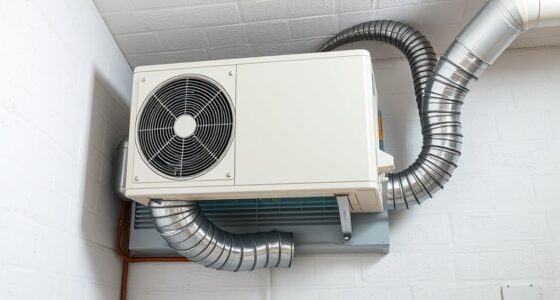
Even in well-built homes, bedroom temperatures can drift due to factors like external weather changes, poor insulation, or improper thermostat placement. When insulation isn’t enough, outdoor temps easily influence indoor climate, causing fluctuations. Ventilation issues and dusty filters also reduce HVAC efficiency, leading to uneven temperatures. If your thermostat is near drafts or sunlight, it might give inaccurate readings, prompting unnecessary adjustments. Keep exploring, and you’ll uncover ways to prevent these temperature swings and create a more stable environment.

Get backup power and energy gear delivered free — and shop member deals
- Fast, free delivery on millions of items
- Access to Prime Big Deal Days deals on October 6–7
- Prime Video, Amazon Music and more included
Key Takeaways
- External weather changes can influence indoor temperature despite good home insulation.
- Thermostat placement near drafts or sunlight can cause inaccurate readings, leading to temperature drift.
- HVAC system inefficiencies, like dirty filters or outdated parts, reduce temperature stability.
- Poor airflow or ventilation management can result in uneven bedroom temperatures.
- Insufficient or uneven insulation allows external temperature fluctuations to affect indoor climate.
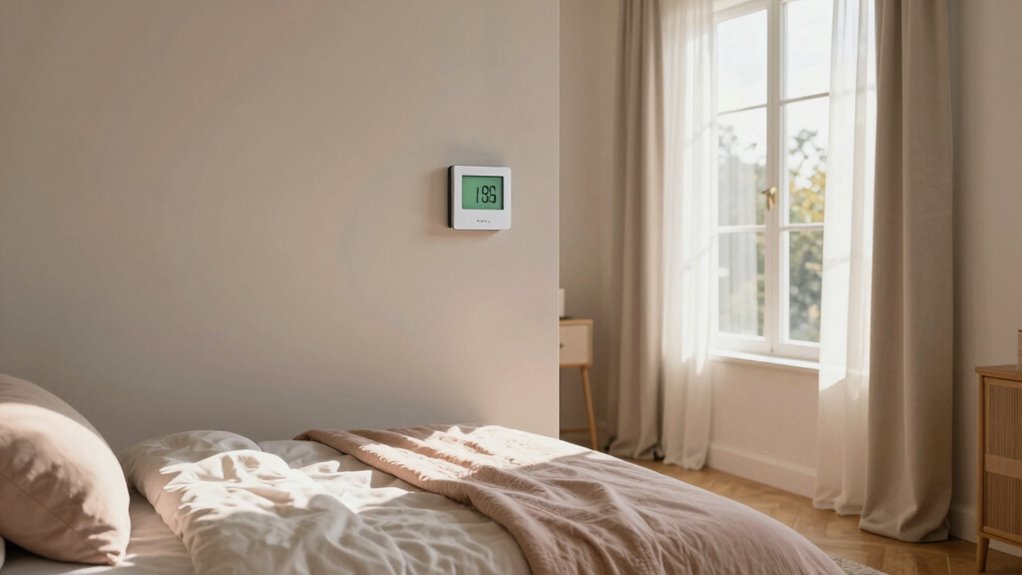
Even in well-maintained homes, bedroom temperatures can fluctuate unexpectedly, leaving you wondering why your room isn’t staying consistently comfortable. These variations often stem from factors beyond simple thermostat adjustments. One key reason is how well your home manages thermal insulation. If your walls, windows, or floors aren’t properly insulated, heat can escape during colder months or seep in when it’s hot outside. Poor insulation creates temperature inconsistencies, making your bedroom more susceptible to external weather changes. When thermal insulation isn’t up to par, your HVAC system has to work harder to maintain the set temperature, which impacts its efficiency. As a result, your heating or cooling system struggles to keep your room at a steady, comfortable level. Additionally, insulation quality plays a crucial role in reducing energy loss and maintaining consistent indoor temperatures.
Poor insulation causes temperature swings, forcing HVAC systems to work harder and struggle to maintain consistent comfort.
Another major factor is HVAC efficiency. Even if your system is relatively new, it might not be operating at peak performance. Dusty filters, clogged ducts, or outdated components can hinder airflow and reduce the system’s ability to heat or cool effectively. When your HVAC isn’t running smoothly, it causes short cycles or uneven temperature distribution, especially in certain areas of your home. This inefficiency means your bedroom may cool down or heat up faster than the system can compensate for, leading to temperature drifts. Regular maintenance, such as changing filters and inspecting ductwork, helps guarantee your HVAC runs efficiently, providing more stable temperatures. Additionally, proper ventilation can help balance indoor air quality and temperature consistency. Properly managing indoor airflow is essential for maintaining a stable environment in your bedroom.
Furthermore, the placement of your thermostat can influence temperature consistency. If it’s located near windows, direct sunlight, or drafts, it might register inaccurate readings, prompting your system to overcompensate or underperform. Proper thermostat placement is vital for accurate temperature sensing, which directly impacts HVAC efficiency. If the thermostat is in a drafty or sun-exposed spot, the system might turn on or off more frequently than necessary, causing temperature fluctuations. External weather conditions, such as wind or sudden temperature shifts, can also influence indoor comfort despite your efforts to control the environment. Proper home insulation can significantly reduce these external influences and help maintain a more consistent bedroom temperature.
best bedroom thermostats for accurate temperature control
As an affiliate, we earn on qualifying purchases.
As an affiliate, we earn on qualifying purchases.
Frequently Asked Questions
Can Indoor Plants Affect Bedroom Temperature Fluctuations?
Indoor plants can influence bedroom temperature fluctuations by affecting indoor humidity and air circulation. As they release moisture through transpiration, they increase humidity, which can make the room feel warmer or cooler depending on existing conditions. Additionally, plants promote better air circulation, helping to distribute temperature more evenly. So, while they add beauty, your indoor plants can subtly impact your bedroom’s temperature stability, especially if you have many or large ones.
How Does Sleep Position Influence Room Temperature Perception?
Your sleep posture directly influences how you perceive room temperature because certain positions can trap body heat or allow heat to dissipate. If you sleep curled up, your body retains more heat, making the room feel warmer. Conversely, sleeping with limbs stretched out allows heat to escape, making you feel cooler. Adjusting your sleep position can help you feel more comfortable, especially if you notice temperature fluctuations during the night.
Do Pets Impact Bedroom Temperature Stability?
Did you know that pets can influence bedroom temperature stability? Their fur adds insulation, which can trap heat and affect how your room retains warmth. Pets often sleep close to you, impacting temperature regulation by either generating extra heat or blocking airflow. This can cause slight fluctuations, especially in winter. So, your furry friends might be subtly shifting your bedroom’s temperature balance without you realizing it.
Can Sleeping With Multiple People Cause Temperature Changes?
Sleeping with multiple people can cause temperature changes because body heat accumulates, affecting thermal regulation. As each person generates heat, the room warms up, making it harder to stay cool. Your body’s natural thermal regulation adjusts to these shifts, but the combined body heat can lead to warmer temperatures. This is especially noticeable in small or poorly ventilated rooms, where heat builds up more quickly, causing temperature drift.
How Does Bedroom Lighting Affect Temperature Consistency?
Did you know that lighting intensity can influence your body’s circadian rhythms? Bright lights, especially blue light, can raise your skin temperature and disrupt temperature consistency in your bedroom. When lighting is too intense or inconsistent, your body struggles to maintain a steady temperature, making it harder to sleep soundly. To keep temperatures stable, opt for dimmer, warmer lighting that supports your natural circadian rhythms.
high efficiency HVAC air filters
As an affiliate, we earn on qualifying purchases.
As an affiliate, we earn on qualifying purchases.
Conclusion
So, next time your bedroom temperature feels like a mysterious, sneaky ninja, remember it’s just doing its job—drifting around like a rebellious teenager. No matter how fancy your thermostat or how airtight your windows are, these tiny thermal rebels will always find a way to keep you guessing. Embrace the chaos, because in the end, it’s all part of the wild, wonderful adventure of home comfort. Sleep tight, and don’t let the temperature bugs bite!
As an affiliate, we earn on qualifying purchases.
ventilation fans for bedroom air circulation
As an affiliate, we earn on qualifying purchases.
As an affiliate, we earn on qualifying purchases.
Halloween Picks
halloween
As an affiliate, we earn on qualifying purchases.